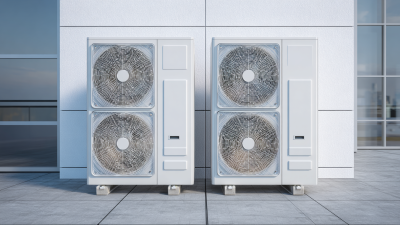
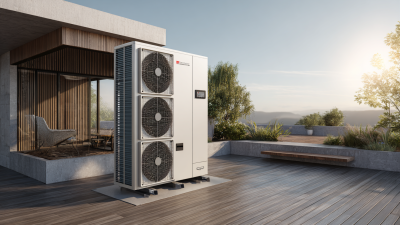
2025 Top Energy Efficient Heat Pumps: Maximize Savings with 300% Efficiency
As we move towards a more sustainable future, the importance of
energy efficiency in our heating and cooling systems cannot be overstated. One of the most promising technologies in this endeavor is the
Energy Efficient Heat Pump, which has gained significant popularity for its ability to provide both heating and cooling while consuming minimal energy. By utilizing advanced technology, these heat pumps can achieve an impressive efficiency rating of
up to 300%, making them not just environmentally friendly but also cost-effective for homeowners looking to reduce their energy bills.
In 2025, the market will feature an array of top-tier Energy Efficient Heat Pumps that stand out for their
performance and reliability. These systems not only help in lowering energy consumption but also offer
innovative features that enhance user convenience and comfort. With various models available, consumers will have the opportunity to choose the best-suited option for their unique needs, ensuring maximum savings and optimal performance throughout the year.
In this article, we will explore the
"Top 5" energy efficient heat pumps available in 2025, highlighting their key features, benefits, and why investing in this technology is a smart choice for anyone looking to
improve their home's energy efficiency. From understanding the working principles of these heat pumps to the potential financial savings, we aim to provide a comprehensive guide for consumers eager to embrace a greener lifestyle.
Exploring the Advantages of 2025's Most Energy Efficient Heat Pumps
As we approach 2025, the development of energy-efficient heat pumps is driving significant advancements in sustainable heating solutions. The latest data shows that the newest generation of heat pumps can achieve efficiencies of up to 300%, providing a transformative solution for both residential and commercial applications. Recent industry reports indicate that utilizing advanced refrigerants and AI-driven thermal management systems can enhance performance, reducing energy consumption substantially. By optimizing the heat transfer process, these systems not only lower utility bills but also contribute to a significant decrease in carbon emissions.
The recent "High-Quality Development Action Plan for the Heat Pump Industry," issued by several governmental bodies, emphasizes the importance of such technologies in the context of energy saving and carbon reduction initiatives. This plan aims to promote the widespread adoption of innovative heat pump systems, which are crucial for achieving national sustainability goals. As the market evolves, manufacturers are increasingly focusing on integrating cutting-edge technologies and materials that enhance efficiency while meeting stricter environmental regulations. With these advancements, the 2025 heat pump models stand poised to reshape the energy landscape, offering consumers not just savings but also a greener choice for their heating needs.
2025 Top Energy Efficient Heat Pumps: Maximize Savings with 300% Efficiency
| Model |
Heating Capacity (BTU/h) |
Cooling Capacity (BTU/h) |
Efficiency (HSPF) |
Efficiency (SEER) |
Estimated Annual Savings ($) |
| Model A |
24,000 |
24,000 |
12.0 |
22.0 |
500 |
| Model B |
36,000 |
36,000 |
12.5 |
23.0 |
600 |
| Model C |
30,000 |
30,000 |
13.0 |
24.0 |
550 |
| Model D |
48,000 |
48,000 |
14.0 |
26.0 |
700 |
Understanding the 300% Efficiency Benchmark for Modern Heat Pumps
The efficiency of modern heat pumps is often denoted by their coefficient of performance (COP), which indicates how much heat is produced for each unit of electricity consumed. A heat pump that achieves a COP of 3.0 or higher is considered highly efficient, translating to an impressive 300% efficiency benchmark. This means that for every unit of electricity used, the heat pump generates three units of heat energy. Recent data from the U.S. Department of Energy reveals that switching to heat pumps can lead to energy savings of 30% to 60% when compared to traditional heating methods like gas or electric furnaces, showcasing the economic benefits of these systems.
Furthermore, advancements in technology have propelled the development of variable-speed and modulating heat pumps that can adjust their output to match the heating demand, further enhancing efficiency. According to a report from the International Energy Agency (IEA), the implementation of energy-efficient heat pumps could reduce global CO2 emissions by up to 70% in the heating sector by 2050. As more consumers and businesses recognize the importance of energy conservation, the demand for heat pumps capable of achieving and surpassing the 300% efficiency benchmark is expected to grow significantly.

Comparative Analysis: Top 2025 Heat Pumps vs. Traditional Heating Systems
As the demand for energy-efficient heating solutions grows, the comparative analysis of 2025 heat pumps versus traditional heating systems becomes more critical. Modern heat pumps are engineered to achieve a remarkable efficiency rating of up to 300%, significantly surpassing conventional systems like gas furnaces or electric heaters. Traditional heating methods often operate at efficiency levels between 70% to 90%, leading to higher energy consumption and costs. In contrast, heat pumps leverage ambient air or ground heat, providing a sustainable alternative that reduces carbon footprints while maximizing energy savings.
Furthermore, the long-term economic benefits of installing a high-efficiency heat pump can outweigh the initial investment. While traditional systems typically require more frequent maintenance and may incur higher operational costs, heat pumps are known for their longevity and lower upkeep. Additionally, advancements in technology are continually improving the performance and reliability of these systems, making them a viable option for homeowners seeking to reduce their energy bills. As we move towards a more eco-conscious future, the shift from traditional heating systems to advanced heat pumps is not just a trend but a necessary evolution in our approach to energy efficiency.
Cost-Benefit Assessment: Saving Money with High-Efficiency Heat Pumps
Upgrading to high-efficiency heat pumps offers significant cost benefits for homeowners, especially as they can save monthly energy bills while providing superior heating and cooling. According to recent evaluations from experts, electric heat pumps have become the most affordable and efficient choice for residential environments, surpassing traditional gas furnaces in popularity. For instance, a report released by the National Renewable Energy Laboratory highlights that transitioning to heat pumps can substantially lower operating costs, particularly in regions with beneficial electric rates for heating and cooling.
In terms of financial sense, the conclusive data suggests that while initial installation costs can be high, the long-term savings from reduced utility bills are notable. Households can save significantly when using heat pumps for heating water and indoor climate control. The California energy sector has reported that families can see considerable savings primarily from reduced cooling expenses. Moreover, research indicates that millions of U.S. households would financially benefit from adopting heat pump technology, provided there are measures to lower installation costs, making it more accessible to a wider range of income groups.
Future Trends in Heat Pump Technology and Sustainability Practices
The future of heat pump technology is poised for unparalleled advancements that emphasize both efficiency and sustainability. As energy demands continue to rise, the integration of cutting-edge materials and smart technologies will enhance the performance of heat pumps, pushing their efficiency ratings to exceed 300%. Innovations in thermal energy storage allow for greater energy management, enabling heat pumps to operate more effectively during peak demand periods and further reducing energy costs for consumers.
Sustainability practices are at the forefront of this evolution, with manufacturers increasingly focusing on environmentally friendly refrigerants and eco-conscious production methods. The shift towards renewable energy sources, such as solar and wind, will complement the functionality of high-efficiency heat pumps, creating a symbiotic relationship that enhances overall energy sustainability. Furthermore, smart technology integration will foster real-time monitoring and optimization of energy use, allowing homeowners to achieve significant savings while minimizing their carbon footprint. As these trends unfold, the heat pump industry stands to redefine energy-efficient heating and cooling systems for a more sustainable future.
2025 Top Energy Efficient Heat Pumps