2025 Guide: How to Choose the Best Inverter Air Conditioner for Your Home
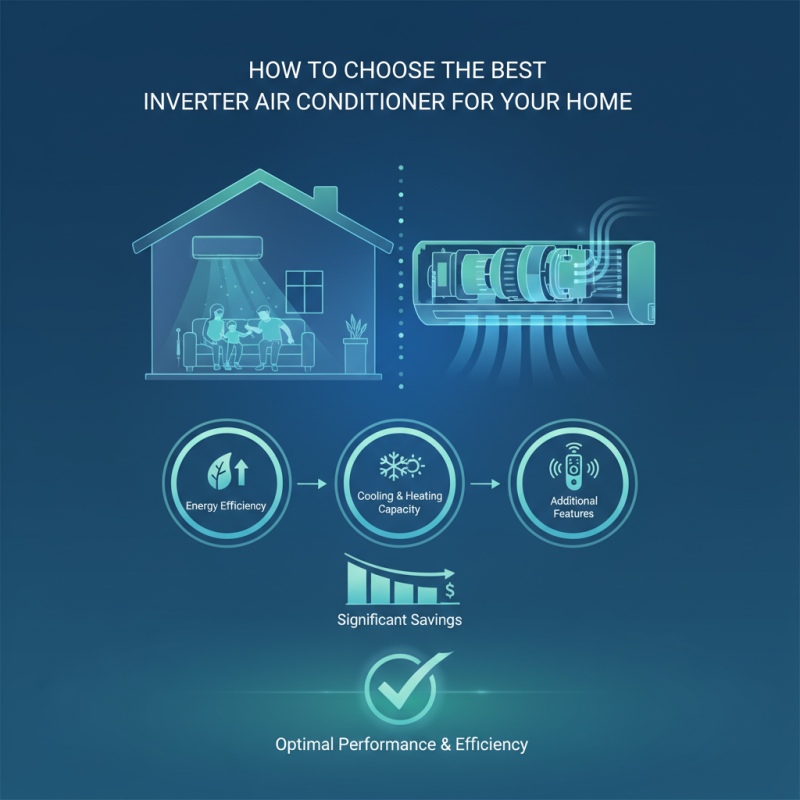
When it comes to modern home comfort, an Airconditioner Inverter stands out as a top choice for many homeowners. Unlike traditional air conditioning systems, inverter technology allows for more energy-efficient cooling and heating, ultimately leading to significant savings on electricity bills. As we look ahead to 2025, understanding how to choose the best inverter air conditioner for your space is crucial. With a variety of options available in the market, selecting the right unit involves considering factors such as energy efficiency ratings, cooling capacity, and additional features that enhance user comfort.
In this guide, we will explore the essential components to consider when purchasing an air conditioner inverter. From understanding the importance of inverter technology to evaluating the specific needs of your home, our comprehensive approach will equip you with the knowledge necessary to make an informed decision. Whether you are upgrading your existing system or installing a new one, the information provided will help ensure that you select an air conditioner inverter that offers optimal performance and efficiency tailored to your household requirements. As we journey through this selection process, we aim to demystify the complexities of inverter air conditioning technology and empower you to find the perfect solution for your home.
Understanding Inverter Air Conditioners: What Sets Them Apart
Inverter air conditioners
represent a significant advancement in climate control technology. Unlike traditional units that operate at a fixed speed, inverter air conditioners utilize variable speed compressors that can adjust their cooling output in real-time to better match the indoor temperature requirements.
 According to a report by the International Energy Agency (IEA), inverter technology can lead to energy savings of up to 30% compared to conventional air conditioning systems. This efficiency is particularly beneficial in regions with extreme temperatures, where the demand for consistent cooling is high.
Moreover, the quieter operation of inverter air conditioners is a key differentiator. The IEA has noted that these systems can operate at sound levels as low as 19 dB, which is comparable to a whisper. This is attributed to their ability to maintain a steady temperature without the need for frequent on-and-off cycling, which can cause disruptive noise levels.
As more homeowners seek to create comfortable and peaceful living spaces, the appeal of inverter air conditioners continues to grow, underlined by their environmental benefits and operational advantages.
Key Factors to Consider When Choosing an Inverter Air Conditioner
When choosing the best inverter air conditioner for your home, it is essential to consider key factors that can significantly influence both comfort and efficiency. One critical aspect is the energy efficiency ratio (EER) and the seasonal energy efficiency ratio (SEER) ratings. According to the U.S. Department of Energy, air conditioners with higher SEER ratings can save homeowners up to 30% on their energy bills compared to standard models. Selecting a unit with a SEER rating of 16 or higher is generally recommended for optimal efficiency.
Another important factor is the size of the air conditioning unit, which is crucial for effective cooling and energy consumption. An improperly sized system can lead to higher energy costs and inadequate cooling. The Air Conditioning Contractors of America (ACCA) suggests performing a Manual J load calculation, which considers factors such as your home's square footage, insulation quality, and local climate to determine the ideal capacity.
Tips for a better choice include evaluating additional features such as smart thermostats and programmable timers, which allow for more control over your energy usage. This can lead to additional savings and increased convenience. Additionally, consider the noise levels of the unit, particularly if it will be installed in a bedroom or quiet area. Units with a decibel rating below 50 are typically considered to be quiet enough for residential use, ensuring a comfortable environment.
Assessing the Energy Efficiency Ratings of Inverter AC Units
When selecting an inverter air conditioner for your home, the energy efficiency ratings are a critical factor to consider. The most commonly referenced measure is the Seasonal Energy Efficiency Ratio (SEER), which indicates how efficiently an AC unit operates over an entire cooling season. According to the U.S. Department of Energy, a SEER rating of 14 or above is considered efficient, while ratings of 20 or more signify high efficiency. Inverter AC units typically offer enhanced energy efficiency compared to traditional units, as they adjust the compressor speed based on the cooling demand, thereby reducing energy consumption and operating costs.
Tips: When assessing energy efficiency, always look for the Energy Star label, which signifies that the unit meets strict energy efficiency guidelines set by the EPA. Additionally, consider models with a high Energy Efficiency Ratio (EER) for better performance in hot conditions.
Furthermore, the Coefficient of Performance (COP) is another important metric to evaluate. It measures the ratio of useful heating or cooling provided to the energy consumed; most inverter ACs boast COP values above 3.0, indicating they produce more than three times the amount of energy they consume. By investing in an inverter AC with high energy efficiency ratings, homeowners can significantly reduce their electricity bills while contributing to a more sustainable environment.
Tips: Always review the potential energy savings from various models by calculating the estimated operating cost over a year, and consider the long-term benefits of higher initial investments in energy-efficient systems.
The Importance of Cooling Capacity for Your Home Size
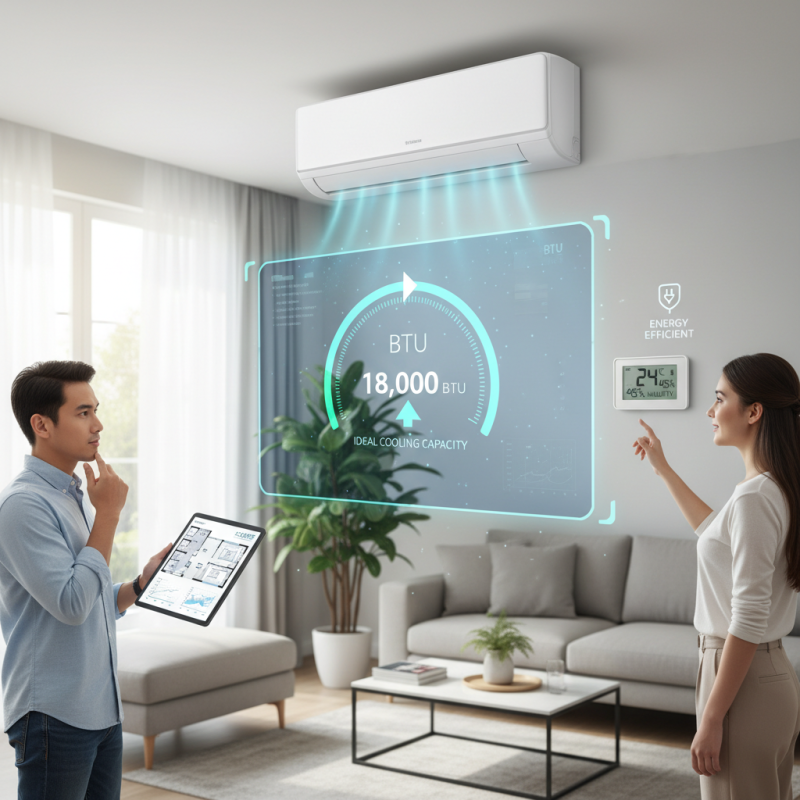
When selecting an inverter air conditioner for your home, one of the most crucial factors to consider is the cooling capacity, which is typically measured in British Thermal Units (BTUs). This capacity indicates how much heat the unit can remove from the air in one hour. Choosing the right capacity is essential, as it directly correlates to the efficiency and effectiveness of cooling your living space. Air conditioners that are too small will struggle to cool your home adequately, leading to increased energy consumption and wear on the unit. Conversely, those that are too large may cool the area too quickly without properly dehumidifying, resulting in an uncomfortable environment.
Tips for determining the appropriate cooling capacity for your home size include evaluating the square footage of the area you wish to cool. Generally, a space of 400 to 600 square feet requires an air conditioner with around 15,000 BTUs. Additionally, consider the height of your ceilings, insulation quality, and the number of windows, as these factors can impact how much cooling is needed. For optimal performance, it's often recommended to consult resources or professionals who specialize in HVAC to ensure you arrive at the ideal BTU range tailored specifically to your home.
Another vital point to remember is that local climate can influence cooling needs. If you live in a hotter climate, you may need a unit with a higher cooling capacity compared to someone in a more temperate area. As you assess your options, take into account these variables to make an informed decision that will maintain comfort and energy efficiency throughout the seasons.
Additional Features to Look For in Modern Inverter Air Conditioners
When selecting an inverter air conditioner, it’s crucial to consider the additional features that can enhance energy efficiency, convenience, and overall comfort. One significant feature to look for is a programmable timer, which allows you to set the air conditioner to turn on or off at specific times. This not only helps in managing your energy consumption but also ensures that your home is at the ideal temperature when you arrive.
Another important aspect is smart technology integration. Many modern units come with Wi-Fi connectivity, enabling you to control your air conditioner remotely through a smartphone app. This feature offers unmatched convenience, allowing you to monitor and adjust settings from anywhere, ensuring your home is comfortable when you arrive.
**Tips:** When evaluating inverter air conditioners, check for energy efficiency ratings. Higher ratings typically indicate better performance and lower electricity bills. Additionally, look for models with quiet operation settings if noise is a concern, especially in bedrooms or living areas. Finally, consider the filter system; models with advanced filters can improve indoor air quality by capturing allergens and pollutants.
2025 Guide: How to Choose the Best Inverter Air Conditioner for Your Home - Additional Features to Look For in Modern Inverter Air Conditioners
| Feature |
Benefit |
Considerations |
| Energy Efficiency Rating (EER) |
Lower electricity bills and reduced environmental impact. |
Check for seasonal EER ratings. |
| Inverter Technology |
Improved temperature control and quieter operation. |
Ensure it has a variable speed compressor. |
| Smart Features |
Remote control via smartphone, scheduling, and energy monitoring. |
Compatibility with home automation systems. |
| Air Quality Features |
Filters and purifiers help reduce allergens and pollutants. |
Look for HEPA or activated carbon filters. |
| Noise Level |
Quieter operation for a more comfortable environment. |
Compare decibel ratings of different models. |
| Cooling Capacity |
Ensure the unit effectively cools the designated space. |
Measure the room size and check BTU requirements. |
| Warranty Period |
Protects your investment and ensures quality. |
Look for extended warranty options. |