2025 Top Water Heatpump Trends You Need to Know for Energy Efficiency
As the world continues to prioritize energy efficiency and sustainable living, water heat pumps have emerged as a key player in the quest for eco-friendly heating and cooling solutions. By harnessing renewable energy from the environment, these innovative systems offer significant benefits for both residential and commercial applications. The rising trends in water heat pumps for 2025 indicate a transformative shift towards more efficient technologies that not only reduce energy consumption but also lower greenhouse gas emissions.
In the coming years, advancements in technology, changes in regulatory frameworks, and increased consumer awareness are expected to shape the market landscape for water heat pumps. From improved insulation materials to smart home integration, the evolution of these systems promises enhanced performance and versatility. As we delve into the top trends for water heat pumps, it becomes evident that embracing these developments is crucial for anyone looking to upgrade their heating and cooling systems while contributing to global sustainability efforts. Understanding these trends will empower homeowners, businesses, and industry stakeholders to make informed decisions that align with the future of energy-efficient practices.

Emerging Technologies in Water Heat Pumps for 2025
In recent years, water heat pumps have gained significant attention for their role in enhancing energy efficiency in residential and commercial settings. By 2025, emerging technologies are poised to revolutionize this sector, driving advancements that promise to reduce energy consumption and operational costs. Industry reports from the International Energy Agency (IEA) project that the adoption of high-efficiency heat pumps could reduce global heating-related CO2 emissions by up to 40%. This transition is critical, particularly as countries strive to meet their climate goals and minimize their carbon footprints.
One of the most exciting developments is the integration of smart technology and IoT capabilities in water heat pumps. These systems can now be equipped with sensors and algorithms that optimize energy usage based on real-time data and user habits. For instance, a recent report by the U.S. Department of Energy highlighted that smart heat pumps could save up to 30% more energy compared to traditional models, further underscoring the importance of innovation in this field.
Tips: When considering an upgrade, look for water heat pumps that feature variable speed compressors. These compressors adjust their output to match the heating demand efficiently, promoting substantial energy savings. Additionally, consider heat pumps that utilize environmentally friendly refrigerants, which not only comply with emerging regulations but also contribute to a more sustainable future. As these cutting-edge technologies continue to evolve, they will undoubtedly shape the future of water heating and redefine energy efficiency standards globally.
Key Energy Efficiency Standards Impacting Water Heat Pump Designs
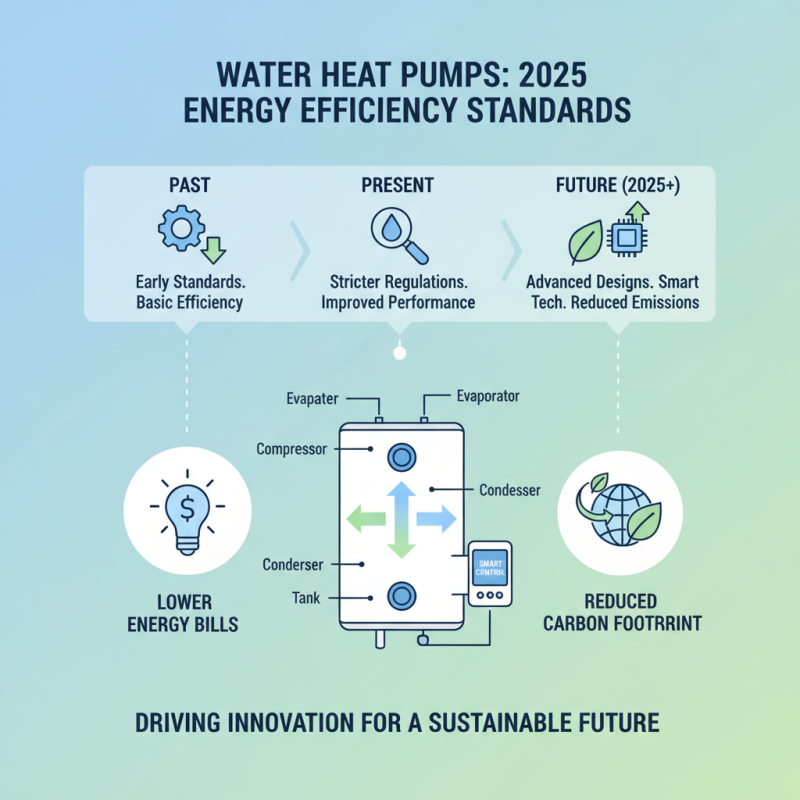
Energy efficiency standards are playing a pivotal role in shaping the design and functionality of water heat pumps, particularly as we look towards 2025. These standards are crafted to promote the adoption of technologies that reduce energy consumption and greenhouse gas emissions, driving manufacturers to innovate and improve their products. In recent years, regulatory bodies have established stricter requirements concerning performance metrics, efficiency ratings, and environmental impact. As a result, water heat pump designs are becoming increasingly sophisticated, featuring advanced components and smart technologies that optimize energy use.
Incorporating these energy efficiency standards not only benefits the environment but also offers long-term cost savings for consumers. For instance, heat pumps are now being designed with enhanced insulation and heat recovery systems that allow them to operate at peak efficiency, even in challenging climates. Furthermore, the integration of IoT technology allows for better monitoring and management of energy consumption, making it easier for users to make informed decisions about their heating needs. As manufacturers strive to comply with evolving regulations, the emphasis on sustainable design is expected to lead to further advancements in water heat pump technology, ultimately supporting both individual and global energy efficiency goals.
Innovative Features Driving Consumer Adoption of Heat Pumps
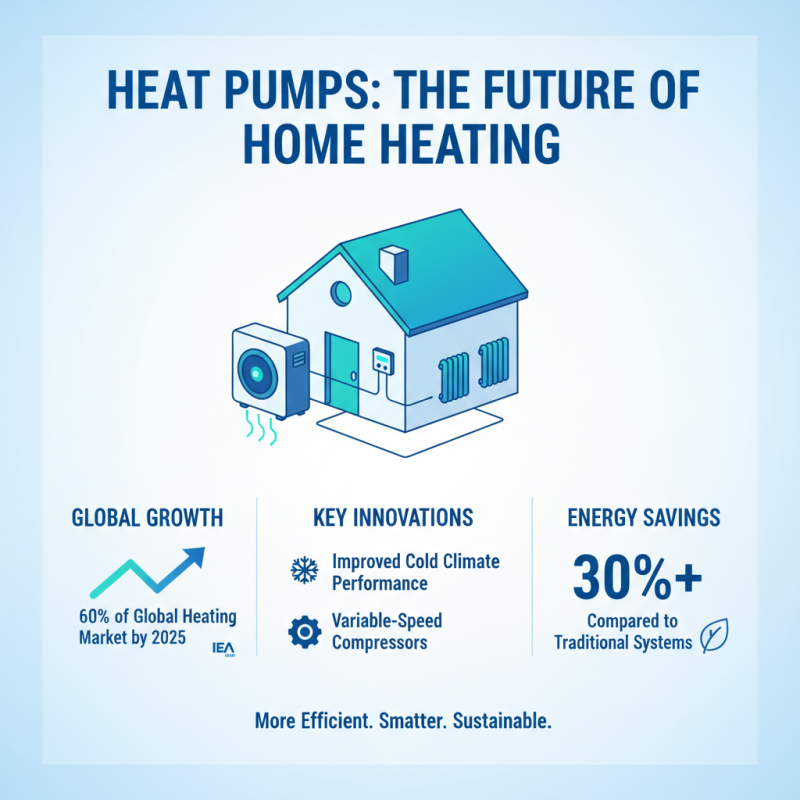
The trend towards energy-efficient heating solutions is gaining momentum, with heat pumps at the forefront due to their innovative features that enhance consumer adoption. According to the International Energy Agency, heat pumps are expected to account for approximately 60% of the global heating market by 2025, a marked increase from previous years. This surge can be attributed to advancements in technology that improve performance in colder climates, making them a viable option for more households. Moreover, developments such as variable-speed compressors and ultra-high-efficiency systems contribute to substantial energy savings, often exceeding 30% compared to traditional heating systems.
Furthermore, the integration of smart technology into heat pump systems is revolutionizing user experience. Many modern units now come equipped with Wi-Fi connectivity, enabling homeowners to monitor and control their systems remotely via smartphone apps. This feature not only enhances convenience but also helps in optimizing energy usage by allowing users to adjust settings based on real-time data. According to a report by MarketsandMarkets, the global smart HVAC market is expected to grow from $37 billion in 2020 to $79 billion by 2026, indicating a clear shift towards smarter, more efficient home heating solutions. As these innovations continue to proliferate, heat pumps are poised to play a crucial role in building a more sustainable energy future.
Sustainable Materials and Their Role in Future Heat Pump Manufacturing
The future of heat pump manufacturing is set to be significantly influenced by the integration of sustainable materials. As the demand for energy-efficient solutions escalates, manufacturers are increasingly exploring alternatives that not only enhance performance but also minimize environmental impact. Sustainable materials such as recycled plastics, natural fibers, and bio-based alternatives are gaining traction, promising to lower the carbon footprint associated with the production of heat pumps. These materials can reduce reliance on finite resources and contribute to a circular economy by promoting recycling and reuse.
In addition to environmental benefits, using sustainable materials can also lead to innovations in heat pump design. For instance, advancements in insulation materials can improve the overall efficiency of heat pumps, making them more effective in various climates. By prioritizing eco-friendly components, manufacturers can inspire a shift in consumer preferences towards greener products, thereby aligning with broader sustainability goals. As the industry evolves, the emphasis on sustainable materials will likely play a pivotal role in shaping the future landscape of heat pump technologies, ensuring they not only meet energy efficiency standards but also contribute positively to the environment.
Government Incentives for Energy-Efficient Water Heating Solutions
Government incentives for energy-efficient water heating solutions are becoming increasingly critical as countries aim to reduce carbon emissions and promote sustainable energy practices. Numerous studies indicate that water heating accounts for nearly 20% of residential energy consumption, highlighting the significant impact of efficient heating systems on energy savings. According to the U.S. Department of Energy, switching from traditional electric water heaters to energy-efficient heat pump water heaters can reduce energy usage by up to 50%.
In response to the growing need for energy-efficient technologies, many governments are implementing financial incentives such as tax credits, rebates, and grants to encourage homeowners and businesses to upgrade their systems. For example, the Inflation Reduction Act in the United States allocates substantial funding to support efficient water heating solutions, providing homeowners with rebates of up to $2,000 when they install qualifying heat pump systems. Such initiatives not only help reduce the upfront costs associated with purchasing and installing new technologies but also promise long-term savings on utility bills and a smaller carbon footprint.
Furthermore, a report from the International Energy Agency emphasizes that increasing the adoption of heat pump technology could lead to a reduction of over 1 billion tons of CO2 emissions by 2030. This presents a clear opportunity for individuals and industries alike to contribute to environmental sustainability while benefitting from government-backed financial support. As these trends evolve, energy-efficient water heating solutions will likely become a pivotal aspect of global energy strategies.