2026 Best Heatpump Split Options for Global Buyers?
As global interest in energy-efficient solutions grows, the "Heatpump Split" technology emerges as a promising option. Dr. Emily Carter, an expert in HVAC systems, emphasizes, "Heatpump Splits provide versatile comfort with reduced energy consumption." This statement encapsulates the growing appeal of heat pump splits among buyers looking for sustainable solutions.
The 2026 market is seeing diverse models tailored for various climates and needs. From compact units suitable for small apartments to larger systems for commercial spaces, choices are plentiful. However, navigating these options can be daunting. Buyers often wrestle with factors like efficiency ratings and cost.
Investing in a Heatpump Split requires careful consideration. Not all systems deliver the same performance. This inconsistency highlights the need for thorough research. In the evolving landscape, informed choices will drive satisfaction and sustainability in heating and cooling applications.
Overview of Heat Pump Split Systems and Their Benefits
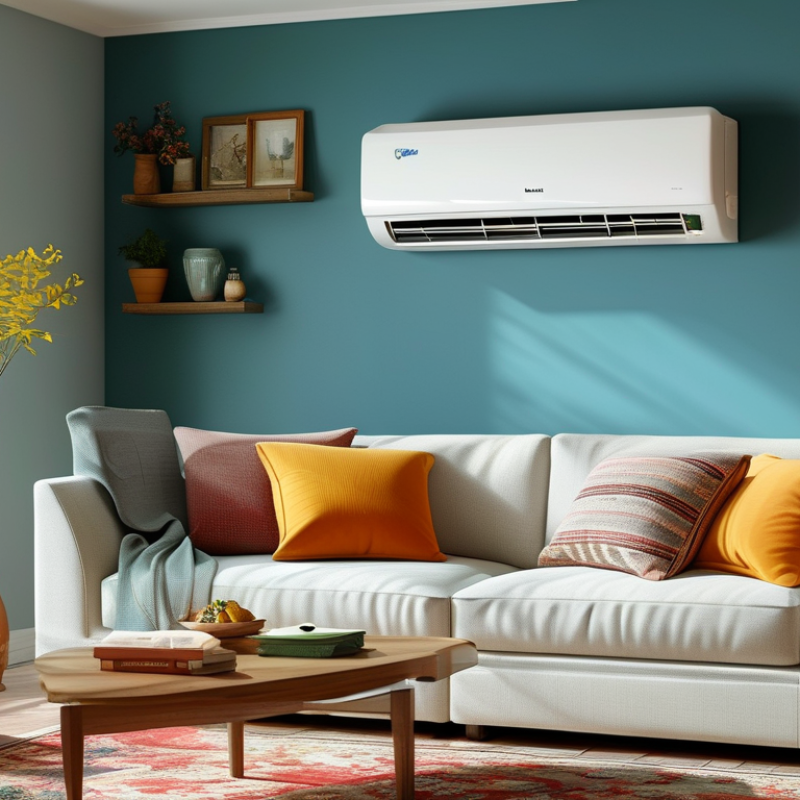
Heat pump split systems have gained traction for their energy efficiency and versatile applications in climate control. These systems can provide both heating and cooling, making them suitable for various environments. According to the International Energy Agency, the market for heat pumps is expected to grow significantly, with global sales projected to reach 8.5 million units by 2025. This shift reflects a growing awareness of their environmental benefits, particularly in reducing greenhouse gas emissions.
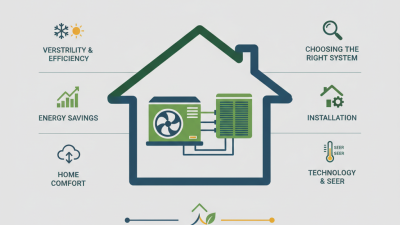
Heat pump split systems utilize two main components: an indoor and an outdoor unit. The outdoor unit absorbs heat from the environment, while the indoor unit delivers warmth or cool air as needed. This duality enhances comfort and efficiency. Research shows that these systems can achieve efficiencies of 300-400%, meaning they can generate three to four times more energy than they consume.
Tips: When selecting a system, consider local climate conditions. In colder regions, systems with better heating capacities are essential. Regular maintenance is also vital for optimal performance. Cleaning filters and ducts can improve efficiency, prolonging the unit's lifespan.
Reflect on your energy needs and potential usage patterns. Understanding your space can lead to better system choices. Not every model suits every situation. Gaining insights into different configurations can help inform smarter investments in heat pump technology.
Key Features to Consider in Heat Pump Split Options
When considering heat pump split options, there are several key features to evaluate.
Efficiency ratings play a crucial role. Look for models with high Seasonal Energy Efficiency Ratios (SEER). These ratings indicate how well a unit converts electricity into heating or cooling. A model with a higher SEER will save more on energy costs over time.
Another important aspect is the climate adaptability. Some heat pumps perform better in extreme weather. They should still provide effective heating in cold temperatures. Check the compressor type and its ability to operate efficiently in varying conditions. Noise levels are also worth noting. Quieter models enhance comfort, especially in residential settings.
Beyond specifications, installation ease is a factor that shouldn't be overlooked. Complicated setups can lead to increased costs. A reliable installation process ensures optimal performance. It’s essential to reflect on the ongoing maintenance demands as well. Regular upkeep contributes to longevity but requires a time commitment. Evaluating these elements is vital to making an informed decision on heat pump split options.
Comparative Analysis of Top Heat Pump Brands for 2026
As we look toward 2026, the global heat pump market is rapidly evolving. A recent report from the International Energy Agency (IEA) indicates that heat pump installations grew by over 20% in 2022, reflecting a significant shift in energy consumption trends. This change is driven by increasing energy efficiency standards and environmental concerns. Buyers need to weigh their options carefully with so many choices.
When comparing top brands, consider efficiency ratings, installation costs, and maintenance needs. According to data from the U.S. Department of Energy, ENERGY STAR-rated systems can save homeowners up to 30% on heating costs. It's crucial to assess your specific needs and local climate. Look beyond just price; long-term savings can greatly outweigh initial investments.
Tips for selecting the right heat pump include ensuring you understand local rebates and incentives. Investigate the integration of smart technology into systems. A report by the Environmental Protection Agency (EPA) indicates that smart heat pumps can reduce energy usage by up to 15%. Don’t overlook the importance of reliable customer service and support, as this can significantly impact your overall satisfaction.
Market Trends and Innovations in Heat Pump Technology
The heat pump market is evolving rapidly. Innovations in technology are making these systems more efficient and environmentally friendly. Current trends show a growing interest in air-source and ground-source heat pumps. These systems are designed to adapt to different climates, providing reliable heating and cooling solutions.
Enhanced efficiency is a key theme. Many manufacturers focus on improving the performance of heat pumps in colder climates. This innovation helps to reduce energy consumption. The challenge remains, however, in balancing cost and efficiency. Some systems may not justify their initial investment with long-term savings.
Smart technology integration is another trend. Homeowners now prefer systems that can be controlled remotely. This added convenience allows for better energy management. Yet, these advanced features often come with higher prices. Regular users might feel overwhelmed navigating these options. The industry continues to address these complexities, ensuring a greater understanding for future buyers.
Global Buyer Considerations for Heat Pump Selection
Choosing a heat pump split system can be complex for global buyers. Experts suggest several factors to consider. Performance ratings are key. Look for models that provide high energy efficiency ratios (EER). The U.S. Department of Energy states that effective units can save households up to 50% on energy bills compared to traditional systems.
Another crucial aspect is installation requirements. Heat pumps often need special configurations. This can increase initial costs. Buyers should also factor in their local climate. Regions with extreme temperatures may require more robust systems to maintain efficiency. A recent report from the International Energy Agency indicates that performance can vary by up to 30% based on environmental conditions.
Additionally, long-term reliability impacts overall value. Not all systems perform consistently over time. Regular maintenance is essential, but it adds to the overall cost. Consumers should examine warranty offers closely. A brief warranty may indicate potential issues. Percentages show that models with longer warranties tend to perform better. Buyers must weigh upfront investment against long-term reliability and efficiency.