2026 Top Solar Heat Pump Trends and Benefits Explained?
The future of energy-efficient heating lies in the innovative Solar Heat Pump technology. As we approach 2026, various trends are shaping its landscape. This cutting-edge solution harnesses the sun's energy while reducing electricity consumption. Homeowners are becoming aware of its benefits, including reduced energy bills and lower carbon footprints.
Solar Heat Pumps are gaining traction for their versatility. They can heat water for domestic use or provide space heating. However, not all systems are equal. Some may struggle in extreme temperatures without proper design. Consumer education is vital to maximize their benefits. The integration of advanced technologies promises improvements in efficiency and reliability.
In this exploration of Solar Heat Pump trends, we will highlight the industry's evolution. It's essential to remain critical of the systems available. While advancements are promising, they come with challenges. Adopting a Solar Heat Pump requires careful consideration and planning. As the market expands, so do the choices and potential pitfalls. By understanding these dynamics, we can make better decisions for sustainable living.

2026 Solar Heat Pump Market Growth: Industry Statistics and Projections
The solar heat pump market is poised for significant growth in 2026. According to recent industry reports, the global market for solar heat pumps is expected to grow at a CAGR of over 15%. This surge is fueled by increasing energy prices and a greater focus on sustainability. In 2023, the market was valued at approximately $1.2 billion, and it is projected to reach $2.5 billion by 2026.
One of the key benefits of solar heat pumps is their efficiency. They can reduce energy consumption by 40% to 60% compared to traditional heating systems. This efficiency translates to cost savings for consumers. Many households report lower utility bills after installing these systems. The technology not only cuts costs but also lowers carbon footprints, further promoting environmental sustainability.
Tips: Consider the size of your home when choosing a solar heat pump. Oversized systems can lead to inefficiencies. Also, consult with professionals to ensure optimal placement for maximum sun exposure. Be aware that installation costs can vary significantly based on location and system type. The initial investment may be high, but long-term savings and energy independence are often worth it. Reflect on your heating needs to determine the best options.
Key Innovations in Solar Heat Pump Technology for 2026
Solar heat pump technology is rapidly evolving. By 2026, key innovations will shape the industry. The use of advanced refrigerants is one significant trend. These new chemicals improve efficiency and reduce environmental impact. According to the International Energy Agency, heat pumps could reduce energy consumption by up to 50% compared to traditional systems.
Integration of artificial intelligence is another noteworthy development. AI algorithms can optimize energy output based on weather forecasts and usage patterns. Reports suggest that this technology could enhance efficiency by 20%. Additionally, modular designs are becoming more popular. They allow for personalized system configurations and easier installation, catering to various home sizes and energy needs.
However, challenges still exist. Not all regions have access to reliable solar energy. Some areas may face regulatory hurdles that hinder solar installation. Moreover, consumers can be hesitant about the initial costs, despite long-term savings. These factors will require industry reflection and innovative solutions to ensure broad adoption in the coming years.
Environmental Benefits of Solar Heat Pumps: Reducing Carbon Footprint
Solar heat pumps are gaining traction for their environmental benefits, particularly in reducing carbon footprints. According to a recent industry report, solar heat pumps can reduce emissions by up to 40% compared to traditional heating systems. This significant reduction contributes to a cleaner environment and aligns with global sustainability goals. The renewable energy utilized by these systems makes them a compelling choice for eco-conscious consumers.
Efficiency is another crucial aspect to consider. Studies show that using solar energy for heat pumps can decrease energy consumption significantly. This not only conserves resources but also lowers utility bills. Homeowners can expect to see a return on investment within a few years, making these systems financially attractive as well.
Tip: Ensure your solar heat pump is correctly sized for your home. Oversized units can lead to inefficiencies and higher emissions.
While solar heat pumps offer many benefits, some challenges remain. The initial installation costs can be high, which may deter potential users. Additionally, not every location receives optimal sunlight year-round. This variability means users need to assess their specific conditions and expectations carefully. Educating oneself on these factors is crucial for maximizing the benefits of solar heat pumps.
Economic Advantages of Adopting Solar Heat Pumps in Residential Areas
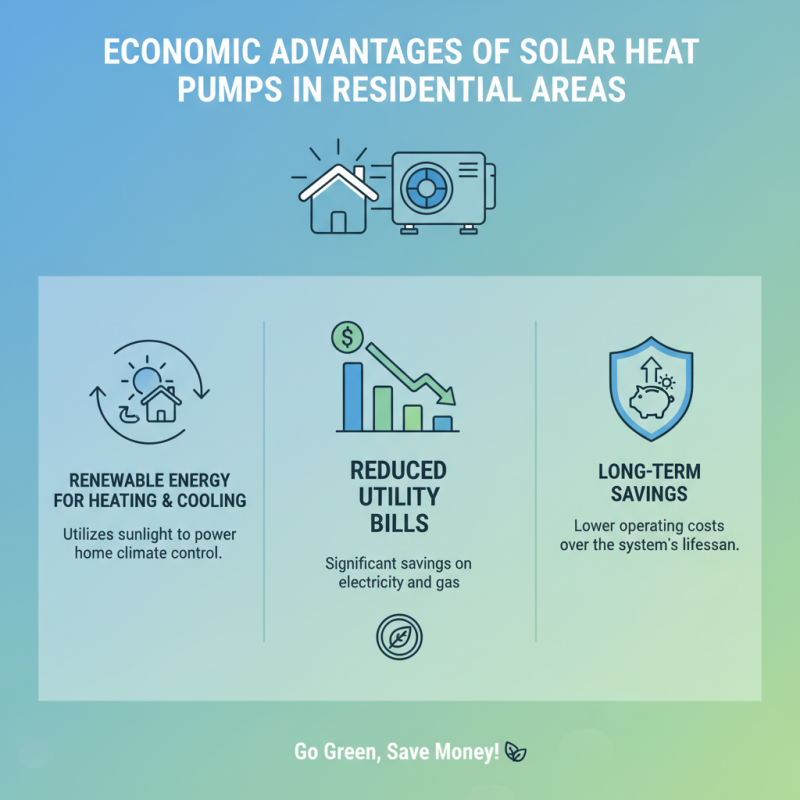
The adoption of solar heat pumps is gaining momentum in residential areas. These systems use renewable energy to heat and cool homes efficiently. One of the key economic advantages is the reduction in utility bills. Homeowners can save significantly on energy costs, especially in areas with abundant sunlight.
Installing solar heat pumps may require an upfront investment. This can be a barrier for some families. However, the long-term savings often outweigh these initial expenses. Lower operating costs mean more disposable income over time. Many households discover that they can reallocate funds to other areas, enhancing their quality of life.
Moreover, solar heat pumps can increase property value. Homes equipped with efficient energy systems are attractive to potential buyers. This market appeal can lead to a higher resale price. Yet, not everyone is aware of these benefits. Education and awareness about solar heat pumps are crucial. More effort is needed to highlight both financial savings and environmental impact.
Consumer Adoption Trends: Factors Influencing Solar Heat Pump Popularity in 2026
In 2026, solar heat pumps are gaining traction among consumers. Various factors influence their popularity. One key aspect is environmental awareness. People are more conscious of energy consumption and its impact. The desire for greener solutions drives many to consider solar heat pumps.
Cost savings also play a significant role. Homeowners are looking for ways to reduce energy bills. Solar heat pumps offer long-term savings. Although initial installation costs can be high, many find the return on investment appealing. The idea of harnessing the sun for heating is increasingly enticing.
Tips: To maximize efficiency, regular maintenance is crucial. Neglecting this can lead to reduced performance. It’s wise to research local incentives. These can offset costs significantly and make adoption more affordable.
Consider educating yourself about the benefits. Knowledge empowers better decisions in energy investments.