What Are the 2026 Top Types of Air Source Heat Pumps?
What are the 2026 top types of Air Source Heat Pumps, and which homes suit them best? This guide examines the leading designs shaping modern home heating. It compares air-to-air, air-to-water, ducted, ductless, monobloc, split, and cold-climate systems. Each type moves heat from outdoor air, but their installation needs differ sharply.
Thomas Nowak, Secretary General of the European Heat Pump Association, describes heat pumps as “a key technology for decarbonising heating.” That view reflects practical experience across Europe’s changing heating market. A ductless mini-split may warm one renovated room efficiently. An air-to-water model can supply radiators, underfloor heating, and domestic hot water. Cold-climate systems use stronger compressors and improved controls during freezing weather.
Real homes are less tidy than product charts. Wall insulation, window quality, electricity prices, noise limits, and installer skill can change the final result. A high-efficiency unit may disappoint if airflow is restricted or the system is oversized. Small details matter.
Very small details.
This overview will assess performance, operating temperatures, maintenance, comfort, and likely installation costs. It will also separate genuine technical advantages from attractive marketing claims. The “top” system is not always the newest model. It is the system that fits the building, climate, budget, and household habits. Some recommendations remain uncertain because local weather and energy tariffs vary. That uncertainty deserves honest attention before any purchase decision.

What Are Air Source Heat Pumps and How Do They Work?
Air source heat pumps move heat rather than create it through combustion. They use a refrigerant circuit, compressor, outdoor coil, expansion valve, and indoor coil.
Even cold outdoor air contains usable heat. The refrigerant absorbs that heat, then the compressor raises its temperature. The indoor coil releases warmth into rooms or water. In summer, the cycle reverses and removes indoor heat.
The leading 2026 types include
ductless mini-splits, ducted air-to-air systems, air-to-water pumps, and cold-climate variable-speed models.
Ductless units suit older homes without existing ducts. Ducted systems provide more even room-to-room airflow.
Air-to-water models heat radiators, underfloor pipes, and domestic water.
Variable-speed compressors adjust output gradually, which can reduce cycling and improve comfort.
However, efficiency depends on insulation, airflow, outdoor temperature, and correct sizing. Bigger is not always better.
Tips:
Ask for a room-by-room heat-loss calculation. Check the unit’s low-temperature performance. Keep outdoor coils clear of leaves and snow.
A small mistake in refrigerant charging can reduce performance. Noise also deserves attention; place the outdoor unit away from bedroom windows.
I would not judge a system by its advertised seasonal rating alone. Local weather and installation quality often matter more.
How Are Air Source Heat Pumps Classified in 2026?
In 2026, air source heat pumps are mainly classified by their heat delivery method. Air-to-air systems transfer outdoor heat directly into indoor air. They suit homes using ductwork or wall-mounted indoor units. Air-to-water systems heat water for radiators, underfloor loops, and domestic hot water. They usually need larger storage tanks and careful hydraulic design. The distinction matters more than marketing labels.
A second classification uses installation format. Ducted systems distribute heat through concealed air channels, while ductless systems connect one outdoor unit with several indoor units. Monobloc air-to-water units keep most refrigeration components outdoors. Split systems divide them between indoor and outdoor sections. Heat pumps are also grouped by climate performance, including standard-temperature and cold-climate models. The U.S. Department of Energy recognizes cold-climate testing near 5°F, or -15°C, for qualifying equipment.
According to the International Energy Agency, global heat pump sales grew by about 11% in 2022. European sales rose by nearly 40% that year. These figures show strong adoption, but they do not prove every design suits every building. COP ratings can look impressive under mild laboratory conditions. Real performance changes with frost, wind, insulation, and water temperature. That is the uncomfortable part. Classification helps, but it cannot replace a room-by-room heat-loss calculation.
What Are the 2026 Top Types of Air Source Heat Pumps?
Air-source heat pumps classified by heat-delivery method and typical supply-air or supply-water temperature.
Air-to-air systems deliver heat directly into indoor spaces, while air-to-water systems heat water for radiators, underfloor heating, or domestic hot water. Low-temperature air-to-water systems generally operate around 30–45°C, whereas high-temperature models are designed for approximately 55–70°C. Actual performance depends on outdoor conditions, system design, and manufacturer specifications.
What Are the Leading Air-to-Air Heat Pump Types?
Air-to-air heat pumps transfer heat between outdoor air and indoor air. In 2026, the leading types remain ductless mini-splits, ducted split systems, and multi-split systems. Each suits a different building layout.
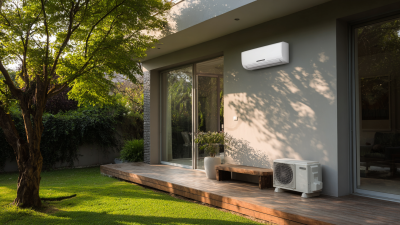
Ductless mini-splits work well in older homes without existing ductwork. A wall-mounted indoor unit delivers heat directly into a room. They respond quickly and usually provide strong zone control. Ducted systems connect to concealed air ducts, creating a more familiar whole-home setup. They look cleaner indoors, but damaged or poorly sealed ducts can waste energy. Multi-split systems connect several indoor units to one outdoor unit. They suit homes with different temperature needs, such as a sunny bedroom and a shaded office.
In larger buildings, variable refrigerant flow systems offer detailed zoning and steady operation. They can serve many rooms, but design quality matters greatly. A small sizing mistake may cause uneven temperatures or frequent cycling. Cold-climate air-to-air models can operate during freezing weather, although efficiency still falls as outdoor temperatures drop. Performance depends on insulation, airflow, defrost control, and professional commissioning. No type wins everywhere.
Tips: Match the system to your floor plan, insulation, and winter climate. Ask for a room-by-room heat-loss calculation. Check indoor sound levels, filter access, backup heating, and drainage protection. Keep outdoor coils clear of leaves and drifting snow. A system that looks powerful on paper may perform poorly when installation details are ignored.
What Are the Main Air-to-Water Heat Pump Types?
Air-to-water heat pumps transfer outdoor heat into a hydronic heating circuit. The main distinction is between monobloc and split designs. A monobloc keeps the refrigerant circuit inside one outdoor unit. Water pipes connect directly to the indoor heating system. A split model separates the outdoor evaporator from an indoor hydrobox, using refrigerant lines between them. Monobloc systems can simplify installation, but external water pipes need careful frost protection. Split systems reduce outdoor water exposure, yet require qualified refrigerant work.
Another useful classification is temperature output. Low-temperature units typically supply water around 30–45°C. They suit underfloor heating and correctly sized radiators. High-temperature units can reach roughly 55–70°C, depending on outdoor conditions and system design. They may support older radiator systems, but efficiency usually falls as supply temperature rises. The International Energy Agency’s The Future of Heat Pumps reports that heat pumps commonly deliver three to five units of heat for each unit of electricity under suitable conditions. Real buildings perform less neatly.
Some air-to-water systems include domestic hot-water cylinders, while others connect to separate tanks. Reversible models can also provide cooling through fan coils or chilled floors. The European Heat Pump Association’s Market Report 2024 shows that European sales weakened in 2023 after rapid earlier growth, reminding us that adoption depends on policy, installers, and household costs. The categories overlap. A monobloc can be high-temperature, and a split unit can be low-temperature. That detail is easy to miss.
How Should You Choose the Best Air Source Heat Pump Type?
Choosing the best air source heat pump starts with your home, not a product label.
In 2026, common options include ducted systems, ductless mini-splits, and air-to-water heat pumps. Each type solves a different problem.
A ducted unit works well when existing vents are clean, sealed, and correctly sized. Ask a qualified installer for a room-by-room heat-loss calculation, not a guess based on floor area.
Ductless mini-splits suit older homes, extensions, and rooms without ductwork. They can deliver steady heat, but indoor wall units may affect furniture placement and appearance.
Air-to-water systems can serve radiators, underfloor heating, and domestic hot water. They need compatible plumbing and usually require more installation planning.
Local weather matters.
In a cold region, check the unit’s tested heating capacity at low temperatures, defrost behavior, and seasonal efficiency. In a mild, humid area, moisture control and cooling performance may matter more. Listen to the outdoor unit before buying; a bedroom window can make a small noise noticeable at night. Variable-speed compressors often improve comfort by avoiding repeated starts and stops.
Do not oversize the system.
It may cycle frequently and control humidity poorly. That was my first assumption, too. Bigger does not always mean better.
Review electricity rates, backup-heater costs, maintenance access, warranty terms, and local installer experience. A reputable contractor should explain these trade-offs clearly and provide written performance data.