2026 Top Heat Pump Trends for Global Buyers to Watch?
In recent years, the importance of the heat pump market has surged. With increasing energy costs and climate changes, global buyers are focusing on innovative solutions. Heat pumps offer efficiency and eco-friendliness, making them an attractive option.
As we approach 2026, several trends are emerging in this industry. Buyers must stay informed about these changes to make smart choices. Advances in technology are enhancing efficiency levels. New designs are rolling out that cater to diverse climates and demands.
However, challenges remain. Some users experience installation headaches or inconsistent performance. It's essential for buyers to weigh the pros and cons carefully. Understanding these trends will help consumers navigate the evolving landscape of heat pump technology successfully.
Emerging Technologies in Heat Pump Design for 2026
As we look toward 2026, innovations in heat pump design are set to reshape the market. Emerging technologies focus on efficiency, sustainability, and user-friendly features. Enhanced refrigerants promise reduced environmental impact while boosting performance. Pairing these systems with smart technologies can optimize energy use, leading to cost savings.
Tips: Always consider installation requirements when opting for new heat pump technologies. Some systems may need more space or specific conditions for optimal performance. Consult with professionals to assess your environment.
Furthermore, advancements in materials offer better insulation and lower energy loss. These materials can enhance the heat pump's overall efficiency. Users should remain vigilant about maintenance practices, as even the best systems require care to perform well. It's crucial to think about longevity over initial costs.
Tips: Research different designs and read customer reviews before committing to a purchase. Understanding real-world performance can guide you to a suitable choice. Don't overlook the importance of compatibility with existing heating systems.
Market Demands Driving Heat Pump Innovations Worldwide
The global heat pump market is experiencing significant innovation driven by evolving market demands. As countries aim to meet ambitious climate goals, energy efficiency has become paramount. Heat pumps are increasingly viewed as an effective solution for both heating and cooling needs. Their ability to utilize renewable energy sources sets them apart in the market.
Consumer awareness of sustainability is growing. Buyers are looking for eco-friendly options that lower carbon footprints. This shift has prompted manufacturers to focus on integrating advanced technologies. Features such as smart controls and enhanced efficiency ratings are now standard. Yet, the challenge remains: how can manufacturers balance innovation with affordability? The complexity of materials and production processes often leads to higher costs, which may limit accessibility for some buyers.
Regulatory policies also play a crucial role in shaping the market. Governments worldwide are implementing stricter efficiency standards. These regulations push companies to innovate but can create uncertainty. Buyers may feel overwhelmed by rapidly changing technologies and options. In this dynamic landscape, understanding market trends is essential for informed purchasing decisions. Those looking to invest in heat pumps must navigate both opportunities and challenges effectively.
2026 Top Heat Pump Trends for Global Buyers to Watch
| Trend |
Description |
Impact on Market |
Global Adoption Rate (%) |
| Smart Heat Pumps |
Integration of IoT technology for remote monitoring and control. |
Enhances energy efficiency and user convenience. |
45% |
| Geothermal Heat Pumps |
Utilization of earth's thermal energy for heating and cooling. |
Significant reduction in operational costs and carbon footprint. |
35% |
| Hybrid Systems |
Combines heat pumps with traditional heating systems for optimal efficiency. |
Increases flexibility and reliability in extreme weather conditions. |
40% |
| Sustainability Focus |
Development of eco-friendly refrigerants to minimize environmental impact. |
Improves public perception and regulatory compliance. |
50% |
| Regenerative Heat Pumps |
Systems that recover and reuse waste heat for improved efficiency. |
Maximizes energy utilization and reduces waste. |
30% |
Sustainability Trends Influencing Heat Pump Development
The sustainability trends shaping the heat pump industry are increasingly driven by global climate goals. As governments push for net-zero emissions, heat pumps play a crucial role in energy-efficient heating and cooling. According to a recent report, the global heat pump market is projected to grow at a CAGR of 12.4% from 2022 to 2030. This growth reflects rising awareness of sustainability and energy efficiency.
Innovative technologies like hydronic heat pumps are being developed to maximize energy use. These technologies use renewable energy sources, such as geothermal and solar, reducing reliance on fossil fuels. Furthermore, advancements in variable-speed compressors enhance performance while lowering energy consumption. However, challenges such as the upfront costs and installation complexities persist. Research indicates that the initial investment deters consumers, despite long-term savings on energy bills.
Consumer education is essential in navigating these barriers. The market must focus on transparent information regarding lifecycle benefits and operational efficiency. Reports show that only 30% of homeowners are informed about heat pump benefits. This gap indicates an opportunity for improvement in outreach and knowledge-sharing initiatives. Stakeholders must address these challenges to foster broader adoption of heat pump technology.
Consumer Preferences: Features Buyers Look for in 2026 Heat Pumps
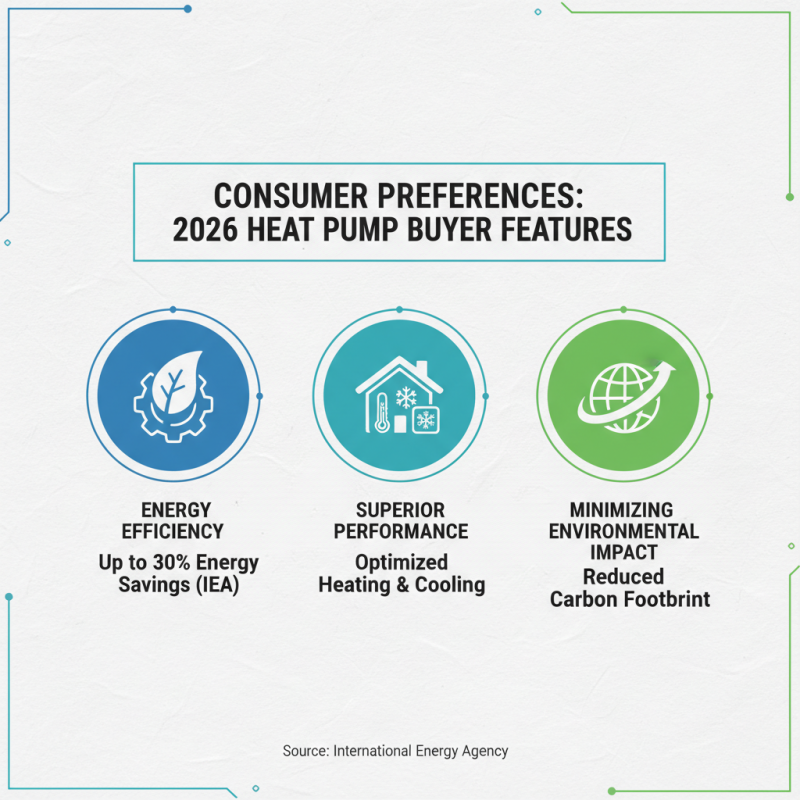
As we approach 2026, consumer preferences for heat pumps are evolving significantly. Buyers are increasingly looking for energy efficiency. According to the International Energy Agency, energy-efficient systems can reduce energy consumption by up to 30%. This statistic drives buyers to prioritize products that offer superior performance while minimizing environmental impact.
Customization is another rising trend. Consumers desire flexible options that can adapt to their specific heating and cooling needs. A recent report by the American Society of Heating, Refrigerating and Air-Conditioning Engineers revealed that over 65% of consumers prefer heat pumps that allow for programmable settings. This preference reflects a shift towards greater consumer control over home energy use.
Moreover, noise levels are becoming a pivotal factor. Many buyers are sensitive to sound, especially in urban areas. The same study noted that quiet operation is a key feature for 70% of prospective heat pump owners. This could highlight a need for manufacturers to engineer quieter models that meet evolving consumer standards. An analysis of current offerings shows there's still room for improvement in noise reduction technology. Thus, the heat pump industry must focus on addressing these consumer demands to stay competitive.
Regulatory Changes Impacting the Heat Pump Industry Globally
The heat pump industry is undergoing significant changes due to evolving regulations. Many countries are increasingly adopting stringent standards to curb emissions. This shift impacts how manufacturers design and market their products. Companies must now focus on energy efficiency and sustainability to meet these new requirements.
In addition to regulations, incentives are emerging worldwide. Governments are encouraging the use of heat pumps through subsidies and tax breaks. This not only boosts sales but also raises awareness about renewable energy technologies. However, navigating these incentives can be complex. Consumers and businesses may struggle to understand available options and eligibility criteria.
As regulations tighten, the industry faces challenges in adapting swiftly. Manufacturers may need to invest heavily in research and development. This creates risks if they misjudge future demands. Collaborating with regulatory bodies can mitigate such risks, allowing companies to stay ahead in a rapidly changing market.