2026 Top Monoblock Heat Pump Features and Benefits?
As the demand for energy-efficient heating solutions grows, the Monoblock Heat Pump takes center stage in 2026. Industry expert Dr. Emily Johnson states, "Monoblock Heat Pumps are revolutionizing home heating and cooling with simplicity and efficiency." These units combine functionality and convenience, offering homeowners an attractive option for climate control.
The Monoblock Heat Pump is a self-contained system that simplifies installation. It eliminates the need for additional components, making it appealing for those seeking ease. However, some may find its performance varies in extreme temperatures. This reality prompts a deeper consideration of its applicability in diverse climates.
While the benefits include reduced energy bills and environmental impact, challenges remain. For instance, initial costs may deter potential users. It’s crucial to weigh these factors carefully. In understanding the features and advantages of Monoblock Heat Pumps, homeowners can make informed decisions that align with their heating and cooling needs.
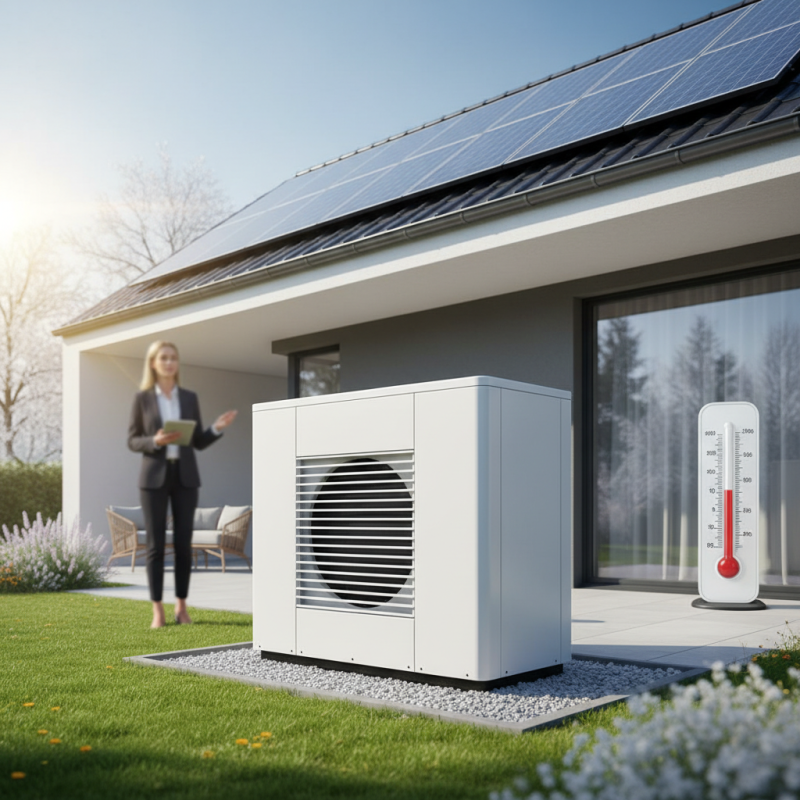
2026 Monoblock Heat Pump Overview: Key Developments
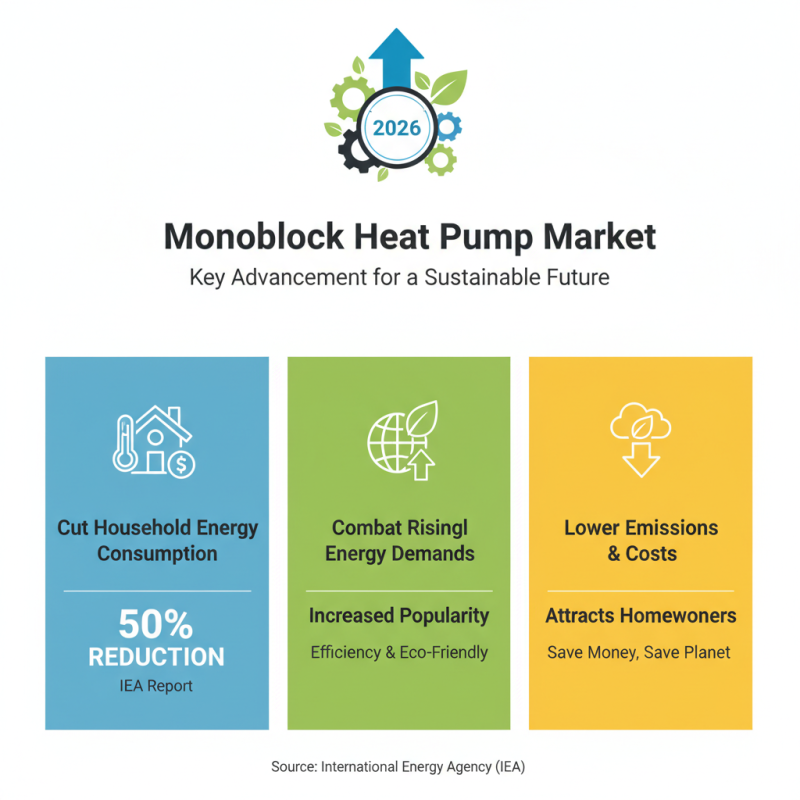
The 2026 Monoblock Heat Pump market is seeing significant advancements. With global energy demands rising, these systems are becoming popular. The International Energy Agency (IEA) reports that heat pumps can reduce household energy consumption by as much as 50%. This efficiency attracts homeowners eager to cut costs and lower emissions.
Recent developments include improved designs that enhance performance in colder climates. Heating capacity is rising, with some units maintaining efficiency in temperatures as low as -20°C. However, certain models still struggle under extreme conditions. Consumers must consider the local climate when selecting a monoblock heat pump.
User-friendly smart controls are also becoming standard, allowing for easy adjustments. The ability to integrate with smart home systems improves usability. Yet, the complexity of these features can frustrate some users. As technology evolves, balancing functionality and simplicity remains essential. Overall, as the market grows, key features will define consumer choices, but awareness of limitations is crucial.
Main Features of 2026 Top Monoblock Heat Pumps
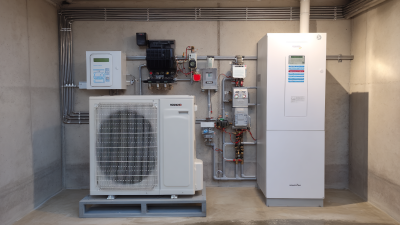
Monoblock heat pumps are gaining popularity in 2026. They offer efficient heating and cooling for homes. One key feature is their all-in-one design. It makes installation simpler and quicker. Homeowners appreciate the reduced space requirements.
Another notable aspect is the energy efficiency. Many models now achieve higher performance ratings. This can lead to lower energy bills. However, not all units are as effective. Some may fall short in colder climates. Buyers should consider their local weather conditions carefully.
Noise levels are another concern. Many monoblock heat pumps are quieter than older models. Yet, some users report inconsistent noise levels during operation. Regular maintenance can also be overlooked, leading to performance issues. Emphasizing proper care is essential for optimal efficiency.
Energy Efficiency Improvements in Modern Monoblock Heat Pumps
Monoblock heat pumps are gaining attention for their energy efficiency. Recent studies show these systems can reduce heating costs by 30% compared to traditional systems. Their compact design allows for easy installation and minimal space requirements. With advancements in technology, the latest models operate effectively in outdoor temperatures as low as -15°C.
In terms of energy efficiency, modern monoblock heat pumps use inverter technology. This allows adjustments to heating and cooling based on real-time demand. Reports indicate these systems achieve a coefficient of performance (COP) of up to 4.5. This rating means they can produce four times more energy than they consume. However, some users encounter inconsistent performance in extreme temperatures. Applying better insulation can improve efficiency and comfort.
The environmental benefits are undeniable. Monoblock units utilize renewable energy sources, which can significantly lower carbon footprints. A recent analysis noted a potential for reducing CO2 emissions by 50%. Yet, the initial installation cost can be a barrier for many homeowners. Understanding local energy tariffs will be crucial for maximizing savings.
2026 Top Monoblock Heat Pump Features and Benefits
The following chart shows the energy efficiency improvements in modern monoblock heat pumps, highlighting key features and their respective benefits. The data is based on average performance metrics in the industry.
Cost-Effectiveness and Long-Term Savings with Monoblock Heat Pumps
Monoblock heat pumps are gaining popularity due to their cost-effectiveness. These systems typically operate with a coefficient of performance (COP) of around 4. This means that for every unit of electricity used, they can generate four units of heat. This high efficiency leads to significant energy savings over time.
According to a recent study by the International Energy Agency (IEA), homeowners can save up to 50% on heating costs by switching to monoblock heat pumps. Initial investments may seem high. However, the long-term savings often outweigh these costs. Over a 15-year period, savings can accumulate to several thousand dollars.
Tips: Consider installation costs carefully. Professional installation can enhance efficiency. Regular maintenance helps maintain performance.
Another noteworthy aspect is sustainability. The use of monoblock heat pumps reduces carbon emissions. They allow homes to become more environmentally friendly. Despite these benefits, some hesitancies remain. The technology may not be suitable for every climate. Understanding local weather patterns is crucial for potential users.
Environmental Benefits of Using Monoblock Heat Pumps in 2026
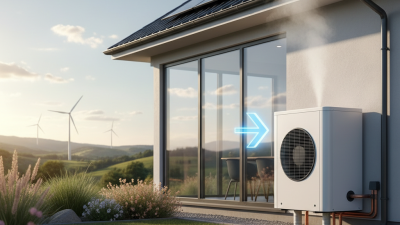
Monoblock heat pumps are gaining traction for their environmental benefits in 2026. These systems use renewable energy sources, mainly air, to provide heating and cooling. This reduces reliance on fossil fuels, lowering greenhouse gas emissions. In urban areas, cleaner air is essential for public health. Monoblock systems contribute to this by promoting cleaner energy efficiency.
However, the initial installation costs can be high. Many homeowners hesitate to invest upfront, despite long-term savings on energy bills. It's vital to weigh the short-term financial burden against the long-term environmental gains. Moreover, not all climates are suitable for monoblock heat pumps. In extremely cold regions, their efficiency may drop, requiring additional energy.
The versatility of monoblock heat pumps is noteworthy. They can be integrated into existing heating systems. This flexibility helps in retrofitting older buildings. Still, education on their benefits and functionalities is crucial. Some people may lack awareness of how they operate. As adoption increases, we must address these gaps in understanding.
2026 Top Monoblock Heat Pump Features and Benefits
| Feature |
Description |
Environmental Benefit |
Energy Efficiency Rating |
| Compact Design |
Space-saving monoblock unit suitable for various installations. |
Reduces land usage and promotes urban sustainability. |
A+++ |
| Ease of Installation |
Quick setup with minimal components, reducing labor time. |
Lower carbon footprint during installation process. |
A++ |
| High Performance |
Efficient heating and cooling even in extreme climates. |
Decreases reliance on fossil fuels for heating. |
A+++ |
| Low Noise Operation |
Quiet running mode, ideal for residential areas. |
Promotes better living conditions, enhancing neighborhood quality. |
A+ |
| Smart Technology Integration |
Compatible with smart home systems for optimal energy management. |
Encourages energy conservation efforts among users. |
A++ |