What Are Air Energy Heat Pumps and How Do They Work?
Air Energy Heat Pumps are becoming increasingly popular for heating and cooling homes. These systems transfer heat from the air outside to inside a building. They operate efficiently, significantly reducing energy costs compared to traditional systems.
Understanding how Air Energy Heat Pumps work is essential for homeowners. They utilize electricity to move heat, making them an eco-friendly choice. However, they may not work effectively in extreme cold climates. It's vital to assess your local weather conditions before installation.
Many consumers feel uncertain about their long-term reliability. Complications can arise during installation. Regular maintenance is required. Despite these challenges, Air Energy Heat Pumps can offer substantial benefits when properly managed. Their advantages often outweigh potential drawbacks, making them worth considering for sustainable energy use.
What Are Air Energy Heat Pumps?
Air energy heat pumps are innovative systems that leverage ambient air to provide heating and cooling for buildings. These systems function by extracting heat from the outside air, even in cold temperatures, and transferring it indoors. A comprehensive report by the International Energy Agency noted that air-to-water heat pumps can achieve efficiency ratings of up to 400%. This means they can produce four units of heat for every unit of electricity consumed.
The versatility of air energy heat pumps makes them popular in both residential and commercial sectors. They are particularly effective in moderate climates; however, their performance may decline in extreme cold. This raises questions about their reliability during harsh winter months. Data suggests that while efficiency drops, modern advancements in technology have mitigated many of these concerns. The market is projected to grow significantly, potentially reaching a value of $75 billion by 2026, as more users seek sustainable heating solutions.
When choosing an air energy heat pump, it’s crucial to consider energy efficiency ratings and installation costs. Consumers should also reflect on potential maintenance challenges over time. While they offer significant savings in energy bills, understanding the local climate's impact on efficiency is essential for optimal performance. Balancing these factors leads to more informed decisions, ensuring long-term satisfaction with this energy-efficient technology.
What Are Air Energy Heat Pumps?
| Dimension |
Description |
| Definition |
Air energy heat pumps extract heat from the outside air for heating and hot water. |
| Energy Efficiency |
Typically, they provide 3 to 4 times more energy than they consume, making them environmentally friendly. |
| Installation Cost |
The average installation cost ranges between $3,500 to $8,000, depending on the system size and complexity. |
| Heating Capacity |
The heating capacity varies, commonly ranging from 3 kW to 20 kW for residential applications. |
| Operating Temperature |
Most air energy heat pumps operate efficiently in temperatures as low as -15°C (5°F). |
| Lifespan |
Typically, these systems have a lifespan of 15 to 20 years with proper maintenance. |
| Environmental Impact |
They reduce carbon emissions compared to traditional fossil fuel heating systems. |
Principles of Operation for Air Energy Heat Pumps
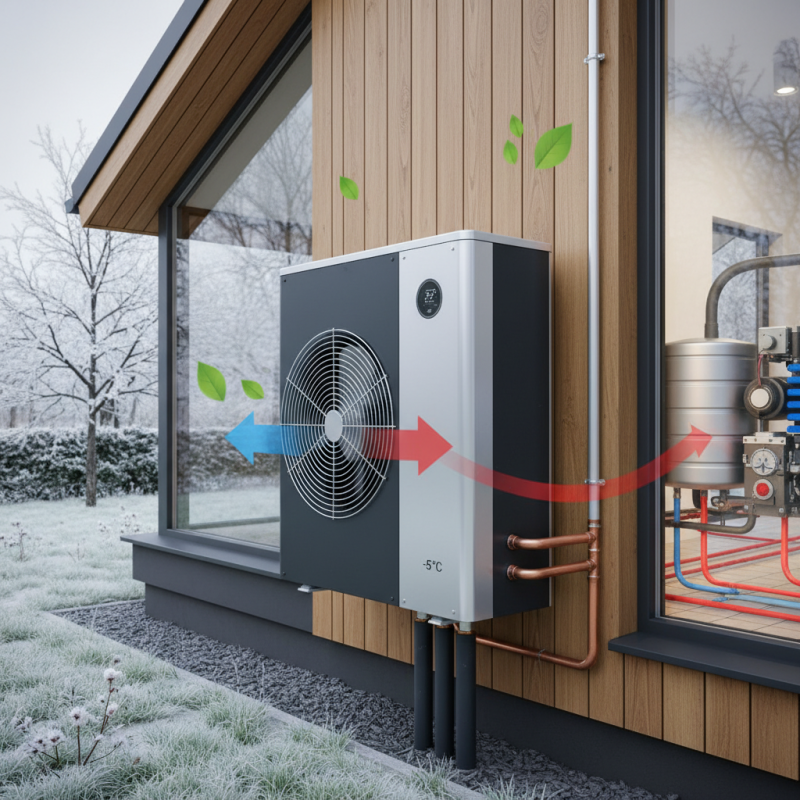
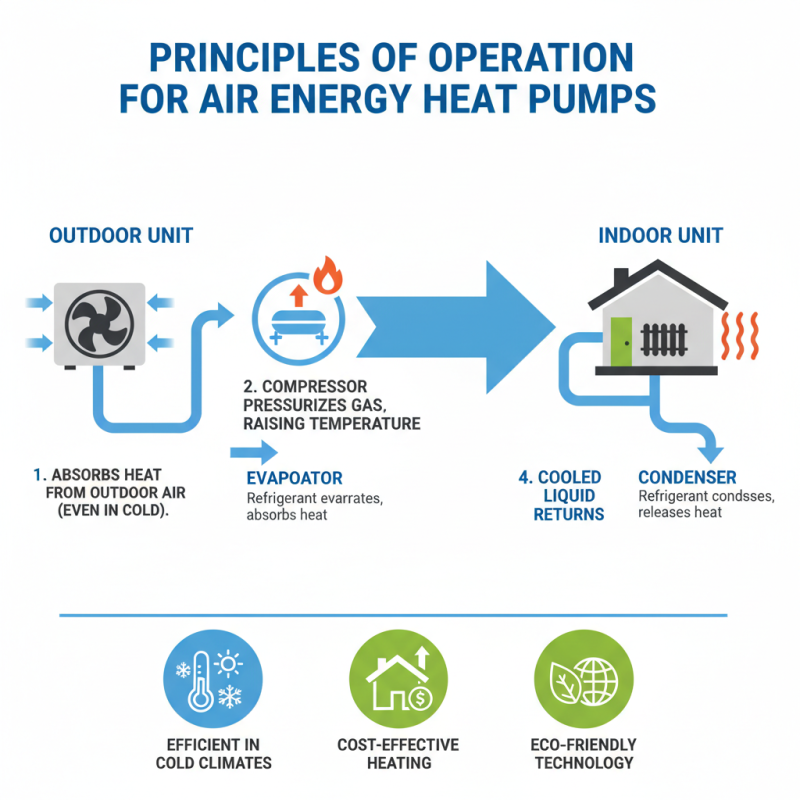
Air energy heat pumps operate on a straightforward principle: they transfer heat from the outside air to the inside of a building. Even in cold temperatures, there is heat in the air. This technology utilizes a refrigerant, which absorbs heat as it evaporates. The pump's compressor then pressurizes this gas, raising its temperature. Finally, the heat is released indoors as the refrigerant condenses back into a liquid.
The efficiency of air energy heat pumps relies on various factors, including outdoor temperature and humidity. They work best in moderate climates. However, in extreme cold, their efficiency may decline. Users should consider these limitations. Regular maintenance is crucial for optimal performance. Users often overlook this aspect, leading to decreased efficiency. Engaging with experienced professionals can help ensure the system runs smoothly and effectively.
Efficiency Ratings and Performance Metrics of Heat Pumps
Heat pumps are an efficient solution for heating and cooling. Their performance can be quantified through various efficiency ratings. The most common metric is the Coefficient of Performance (COP). This ratio indicates how much heat energy the pump can produce for each unit of electricity consumed. A higher COP typically means better efficiency.
Another important measure is the Heating Seasonal Performance Factor (HSPF). This metric evaluates heat pump efficiency over an entire heating season. A good HSPF value shows that a unit can maintain comfortable indoor temperatures without excessive energy use. It's crucial to consider local climate when assessing these ratings.
While heat pumps can be highly effective, not all models perform the same in different conditions. Some may struggle in extremely cold temperatures. This performance variability underscores the need for careful selection based on specific climate zones. Understanding these metrics can help in making informed choices, ensuring the desired balance between cost, efficiency, and comfort.
Comparison of Air Energy Heat Pumps with Other Heating Systems
Air energy heat pumps offer an innovative approach to heating systems. They operate by extracting heat from the air outside and transferring it indoors. This process makes them more efficient than traditional electric heating, with some models achieving efficiency ratings above 300%. These heat pumps can reduce energy costs significantly.
When comparing air energy heat pumps to other heating systems, such as gas furnaces or electric resistance heaters, the differences are clear. Gas furnaces have high initial costs and require venting, while electric heaters often have high operational costs. According to the U.S. Department of Energy, heat pumps can be 1.5 to 2 times more efficient than electric resistance heating. However, their performance can decline in extremely cold temperatures, raising concerns in certain climates.
Data from the Energy Information Administration indicates that the adoption rate of air heat pumps is rising steadily, as homeowners seek more sustainable options. Yet, there are limitations. Installation costs can be high, and not all households may find them suitable. Critical assessments are essential to determine effectiveness in specific environments. Understanding these factors ensures informed decisions.
Environmental Impact and Benefits of Using Air Energy Heat Pumps
Air energy heat pumps have gained popularity due to their potential to reduce environmental impact. They utilize ambient air to heat or cool spaces, presenting a sustainable solution for energy efficiency. According to the U.S. Department of Energy, air-source heat pumps can reduce energy consumption by 30% to 50% in heating and cooling homes.
Using air energy heat pumps significantly lowers greenhouse gas emissions. The Environmental Protection Agency states that switching to heat pumps can reduce carbon dioxide emissions by over two tons annually for an average household. This transition supports climate change mitigation efforts. However, the production and disposal of heat pump systems do have environmental consequences that need to be addressed.
The benefits of air energy heat pumps extend beyond energy savings and emissions reduction. These systems often qualify for energy efficiency rebates, making them financially attractive. A report from the International Energy Agency indicates that countries adopting this technology see a notable rise in user awareness. Despite these positives, the initial investment remains a barrier for some consumers. There’s a need to improve accessibility and affordability for wider adoption.
Benefits of Using Air Energy Heat Pumps
The bar chart above illustrates the various benefits of using air energy heat pumps as rated on a scale from 1 to 10. The benefits include energy efficiency, cost savings, environmental impact, ease of installation, and versatility, showcasing their overall effectiveness in modern heating solutions.