What is an Air Source Heat Pump and How Does It Work for Your Home
Air Source Heat Pumps (ASHPs) have emerged as a pivotal technology in the field of home heating and cooling. These innovative systems extract heat from the ambient air and transfer it indoors, providing significant energy efficiency while reducing carbon footprints. According to Dr. Jane Smith, a leading expert in renewable energy systems, "Air Source Heat Pumps represent a smart and sustainable choice for the modern home, enabling homeowners to embrace eco-friendly living without sacrificing comfort."
As global awareness of climate change grows, many homeowners are seeking effective solutions to enhance energy efficiency and reduce reliance on fossil fuels. Air Source Heat Pumps offer an appealing alternative, functioning both as heating and cooling systems depending on the seasonal needs. By harnessing the renewable energy available in the atmosphere, these systems not only lower energy bills but also contribute to a greener environment, making them an increasingly popular choice among eco-conscious consumers.
In this article, we will explore the fundamentals of Air Source Heat Pumps, including their operational mechanisms, benefits, and potential applications, to help homeowners understand how this technology can significantly improve their living spaces while promoting sustainability.
Definition and Overview of Air Source Heat Pumps
Air source heat pumps (ASHPs) are innovative systems that utilize the ambient air outside your home to provide heating and cooling. These devices work by extracting heat from the outside air, even in cold temperatures, and transferring it indoors during the winter months. In summer, the process can be reversed, pumping heat out of your home to keep it cool. This dual functionality makes ASHPs a versatile and energy-efficient solution for year-round climate control.
One of the key advantages of air source heat pumps is their efficiency. They operate on the principle of moving heat rather than generating it, resulting in lower energy consumption compared to traditional heating systems. This not only reduces energy bills but also minimizes your carbon footprint. To maximize the benefits, it is advisable to ensure proper insulation in your home, as this will enhance the performance of the heat pump and improve energy savings.
Tips: When considering an air source heat pump, it's essential to evaluate the climate conditions in your region. In areas with milder temperatures, ASHPs perform exceptionally well. Additionally, routine maintenance, such as cleaning filters and checking refrigerant levels, can significantly prolong the life of your heat pump and ensure optimal performance.
How Air Source Heat Pumps Operate in Residential Settings
Air source heat pumps (ASHPs) are increasingly recognized as a viable solution for heating and cooling residential spaces by leveraging ambient air. These systems work by extracting heat from the outside air, even during colder months, and transferring it indoors. The process typically involves a refrigerant that absorbs thermal energy from the outside air, which is then compressed to raise its temperature before being circulated through the home. According to the U.S. Department of Energy, ASHPs can be up to 300% efficient, meaning they can produce three times more energy in heating or cooling than they consume in electricity.
In residential settings, the efficiency of air source heat pumps can lead to significant energy savings. A report from the International Energy Agency (IEA) indicates that homes utilizing ASHPs can reduce their carbon emissions by up to 50% compared to traditional heating systems. This reduction not only benefits the environment but also leads to lower utility bills for homeowners. Furthermore, ASHPs are often eligible for various energy efficiency incentives and rebates, helping to offset installation costs.
The versatility of ASHPs makes them suitable for different climates and home types. Advanced models can work effectively in temperatures as low as -5°F (-20°C), thanks to improved technologies that optimize performance under various conditions. The installation of an air source heat pump can transform a residential space into a more sustainable and energy-efficient environment, contributing to a bigger shift towards greener living solutions.
Energy Efficiency of Air Source Heat Pumps Compared to Traditional Heating Systems
This chart compares the average annual energy efficiency (measured in COP - Coefficient of Performance) of air source heat pumps versus traditional gas and electric heating systems in residential settings. Higher COP values indicate better energy efficiency, making air source heat pumps a more sustainable option for heating homes.
Benefits of Installing an Air Source Heat Pump in Your Home
Installing an air source heat pump in your home offers several compelling benefits that can enhance comfort and reduce energy costs. One of the key advantages is its energy efficiency. Air source heat pumps can transfer heat from the outside air into your home during the winter months and reverse the process in the summer to provide cooling. This dual functionality means homeowners can rely on a single system for both heating and cooling, which can lead to significant savings on utility bills compared to traditional heating systems.
Another benefit is the environmental impact. Air source heat pumps are considered a sustainable heating and cooling solution as they use renewable energy from the air. This reduces reliance on fossil fuels and lowers greenhouse gas emissions, making them an excellent choice for environmentally conscious homeowners. Additionally, the technology is continually improving, leading to better performance and increased energy savings over time. With less demand for conventional heating methods, installing an air source heat pump can contribute to a cleaner, greener future for our planet.
What is an Air Source Heat Pump and How Does It Work for Your Home - Benefits of Installing an Air Source Heat Pump in Your Home
| Aspect |
Details |
| Definition |
An air source heat pump (ASHP) is a heating and cooling system that transfers heat from outside air to indoors. |
| How It Works |
It extracts heat from the outside air, even in cold temperatures, and uses a refrigerant to transfer that heat indoors. |
| Energy Efficiency |
ASHPs can be more energy-efficient than traditional heating systems, often producing 3 to 4 times more energy than they consume. |
| Environmental Impact |
Reduced carbon emissions compared to fossil fuel heating systems; utilizing renewable energy from the air. |
| Cost Savings |
Lower energy bills and potential government incentives for installation and efficiency upgrades. |
| Installation Considerations |
Requires professional installation; location, size of the unit, and ductwork may impact efficiency and performance. |
| Durability |
Typically has a lifespan of 15-20 years; regular maintenance can enhance longevity. |
| Year-round Use |
Functions as both a heating and cooling solution, making it versatile throughout the seasons. |
Factors to Consider When Choosing an Air Source Heat Pump
When choosing an air source heat pump for your home, several factors need to be taken into consideration to ensure optimal performance and efficiency. First and foremost, you should assess the size of your home and its insulation levels. An adequately sized heat pump is vital; too small a unit may struggle to maintain comfortable temperatures, while an oversized unit can lead to inefficiencies and increased energy costs. A professional evaluation can help determine the appropriate capacity based on your home's specifications.
Another important consideration is the climate in your area. Air source heat pumps work best in moderate climates but may not be as effective in extreme cold. It's essential to evaluate the lowest temperatures your region experiences to ensure that the heat pump can operate efficiently year-round. Additionally, look into the energy efficiency ratings, such as the Seasonal Energy Efficiency Ratio (SEER) and Heating Seasonal Performance Factor (HSPF), which can help gauge potential energy savings. By understanding these factors, you can make a well-informed decision that suits your home’s specific needs and enhances your overall energy efficiency.
Maintenance and Efficiency Tips for Air Source Heat Pumps
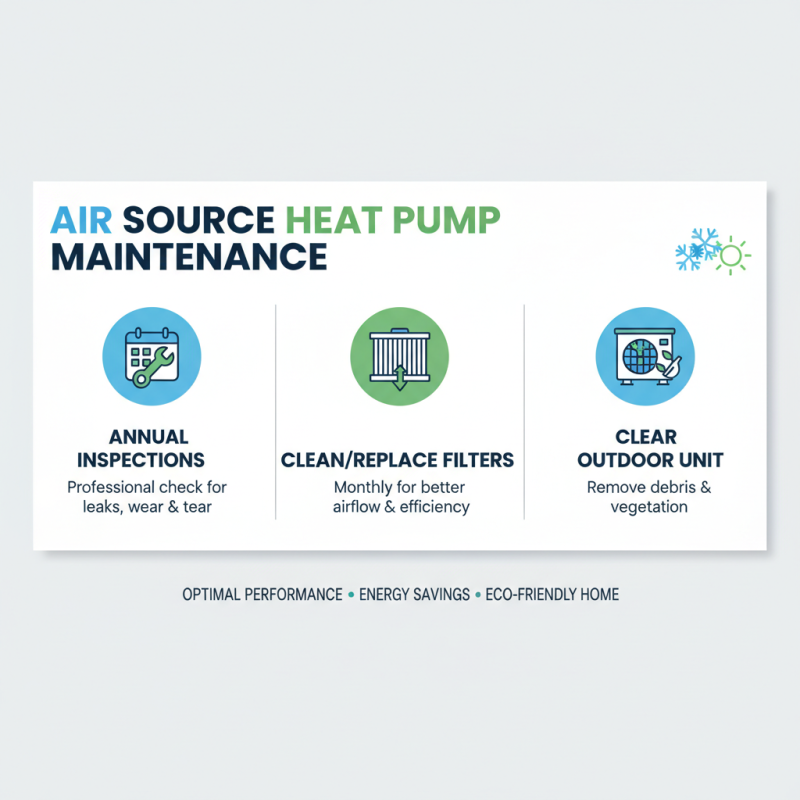
Air source heat pumps (ASHP) are increasingly popular for home heating and cooling due to their energy efficiency and environmental benefits. To ensure optimal performance, regular maintenance is crucial. Homeowners should schedule annual inspections to check for any potential issues, including leaks or wear in the system's components. Cleaning or replacing filters regularly can also prevent airflow restrictions and improve the unit's efficiency. Additionally, keeping the outdoor unit clear of debris and vegetation helps maintain adequate airflow, which is vital for the heat pump's performance.
To maximize efficiency, homeowners should also consider the setup of their heating and cooling system. For instance, adjusting the thermostat settings and utilizing programmable thermostats can help manage energy consumption. During milder weather, the ASHP can operate more effectively, reducing reliance on auxiliary heating sources. Insulating your home properly and sealing any gaps can further enhance the heat pump's efficiency, as this decreases the amount of energy needed to maintain comfortable temperatures. By following these maintenance and efficiency tips, air source heat pumps can deliver effective climate control while minimizing energy costs for homeowners.