Why Choose All In One Water Solar Heater for Your Home?
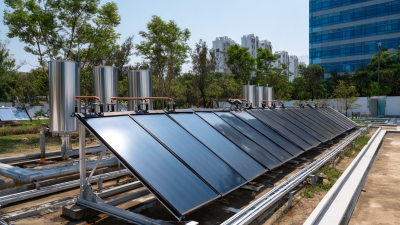
In today's world, energy efficiency is paramount. Many homeowners seek sustainable options that reduce costs and environmental impact. One such option is the All In One Water Solar Heater. This innovative system combines several functions into a single unit. It harnesses solar energy to heat water efficiently.
Choosing the right heating solution can be overwhelming. Many products promise efficiency but fail to deliver. The All In One Water Solar Heater stands out due to its reliability and user-friendly design. It integrates advanced technology with simplicity, ensuring ease of use for any homeowner. Its attractive design means it can blend seamlessly with your home.
Investing in an All In One Water Solar Heater not only benefits your utility bills but also contributes to a greener planet. Many users report a significant reduction in energy costs. However, it’s crucial to consider the installation process. While generally straightforward, a poorly executed installation can lead to issues. Researching reputable installers is key to maximizing performance.

Benefits of All In One Water Solar Heaters for Homeowners
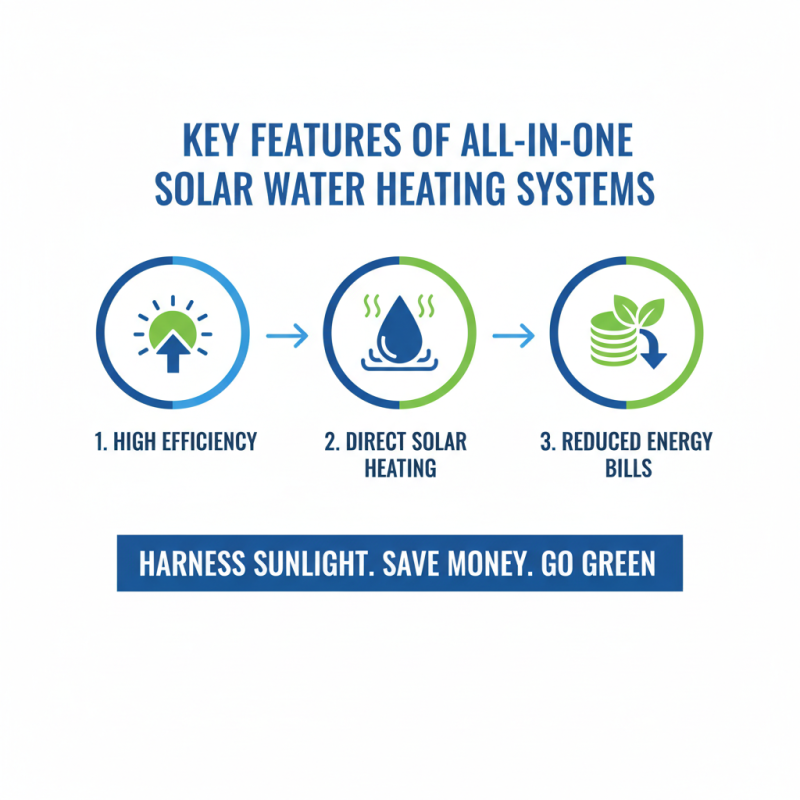
When considering energy efficiency for your home, all-in-one water solar heaters stand out. These systems harness solar energy to provide hot water, significantly reducing reliance on traditional energy sources. According to the Solar Energy Industries Association, solar water heating can lower energy bills by 50% or more. This advantage makes these systems an appealing choice for eco-conscious homeowners.
Homeowners benefit from reduced utility costs, but the environmental impact is notable. Using solar heaters decreases carbon emissions, contributing to cleaner air. The U.S. Department of Energy states that solar water heaters can prevent about 2,000 pounds of carbon dioxide each year. Over time, the initial installation cost pays off through energy savings and tax incentives.
While these systems have clear advantages, they may not be suitable for every home. Performance can vary based on climate, roof angle, and sunlight exposure. Some homeowners might face maintenance concerns with pump and panel systems. Thus, thorough research is essential before making a commitment. Despite the benefits, it's crucial to assess whether the investment aligns with long-term goals. Making informed decisions is key to maximizing the advantages of solar water heating.
Cost Savings and Environmental Impact of Solar Water Heating
Solar water heating offers significant cost savings and reduces environmental impact. According to the U.S. Department of Energy, using solar water heaters can lower water heating bills by 50% to 80%. This reduction translates to serious long-term savings, especially for families in sunny regions.
The environmental impact is equally important. Traditional water heating methods often depend on fossil fuels, which contribute to carbon emissions. A solar water heater can reduce greenhouse gas emissions by as much as 2,000 pounds annually. In contrast, many homeowners overlook these benefits, as higher initial costs and installation complexity can be daunting.
A report by the National Renewable Energy Laboratory emphasizes that solar water heaters can reduce peak energy demand during summer months. Yet, their adoption remains relatively low. User experience often reveals a lack of awareness about maintenance needs and performance variations across different climates. Recognizing these potential drawbacks is essential for making informed choices.
Installation and Maintenance Considerations for Home Systems
When considering the installation of an all-in-one water solar heater, it's essential to evaluate various factors to ensure a smooth process. Many homeowners overlook the importance of site assessment. A south-facing roof with minimal shading is ideal for maximizing sun exposure. According to the Solar Energy Industries Association, optimal positioning can increase efficiency by up to 30%. Understanding local climate patterns is also crucial. Regions with high amounts of sun will benefit more drastically.
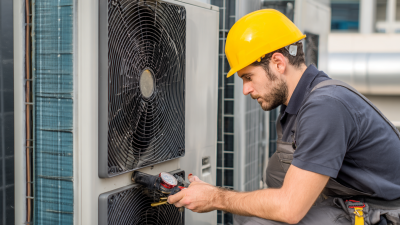
Regular maintenance is another critical aspect. While solar heaters generally require less upkeep than traditional systems, some tasks remain essential. Cleaning the solar panels every few months can prevent dust and debris buildup, which may reduce efficiency by as much as 15%. Additionally, checking connections and plumbing for leaks ensures optimal performance. Homeowners may find it easy to overlook these minor details, leading to potential costly repairs down the line.
DIY installation is popular, but not without risks. A survey conducted by the National Renewable Energy Laboratory revealed that nearly 25% of homeowners encounter issues due to improper setup. This highlights the importance of professional consultation. While it might seem unnecessary, investing in expert advice can save time and money in the long run. Ignoring these installation and maintenance considerations could diminish the benefits of an all-in-one water solar heater, leading to less satisfaction and increased frustration.
Comparison of All In One Solar Heater with Traditional Water Heating Options
When considering home heating solutions, it's essential to compare options based on efficiency and sustainability.
All In One Water Solar Heaters offer a unique set of advantages over traditional water heating systems.
These solar heaters harness renewable energy from the sun, which can significantly reduce your utility bills.
Unlike electric or gas heaters that rely on fossil fuels, solar heaters provide a clean energy solution.
However, there are complexities to consider.
Installing a solar heater can involve upfront costs, and their performance depends on geographic location and weather conditions.
Unlike traditional heaters, which are reliable regardless of weather, solar heaters may generate less hot water on cloudy days.
This variability can be a drawback for families with high hot water demand.
Moreover, traditional water heating systems are often simpler to maintain.
They typically use well-understood technologies that can be repaired easily.
In contrast, All In One Solar Heaters may require specialized knowledge for repairs or upkeep.
Homeowners must weigh these factors.
While a solar heater represents an eco-friendly investment, it requires careful planning to ensure it aligns with individual heating needs.