Air Source Heat Pumps are revolutionizing home heating and cooling. According to energy expert Dr. Emily Carter, “Air Source Heat Pumps are not just efficient; they are essential for sustainable living.” This technology captures warm air from the outside and uses it to heat your home, even in colder climates. The efficiency can be up to three to four times greater than traditional systems.
Last year, a growing number of homeowners began to explore Air Source Heat Pumps. Many were impressed by their lower energy bills and reduced carbon footprints. As these pumps use renewable energy, they can significantly reduce dependency on fossil fuels. However, some may find the initial investment daunting.
The long-term savings often justify the upfront costs. Not everyone considers the maintenance factors, which can vary. Proper installation is also critical for optimal performance. While Air Source Heat Pumps offer many benefits, understanding their limitations is essential for making informed decisions.
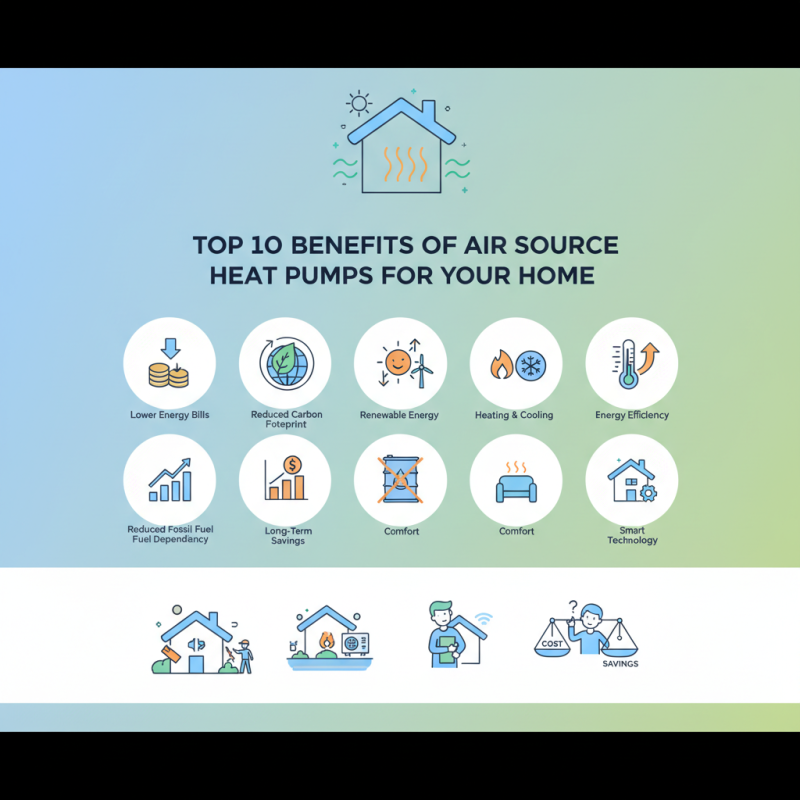
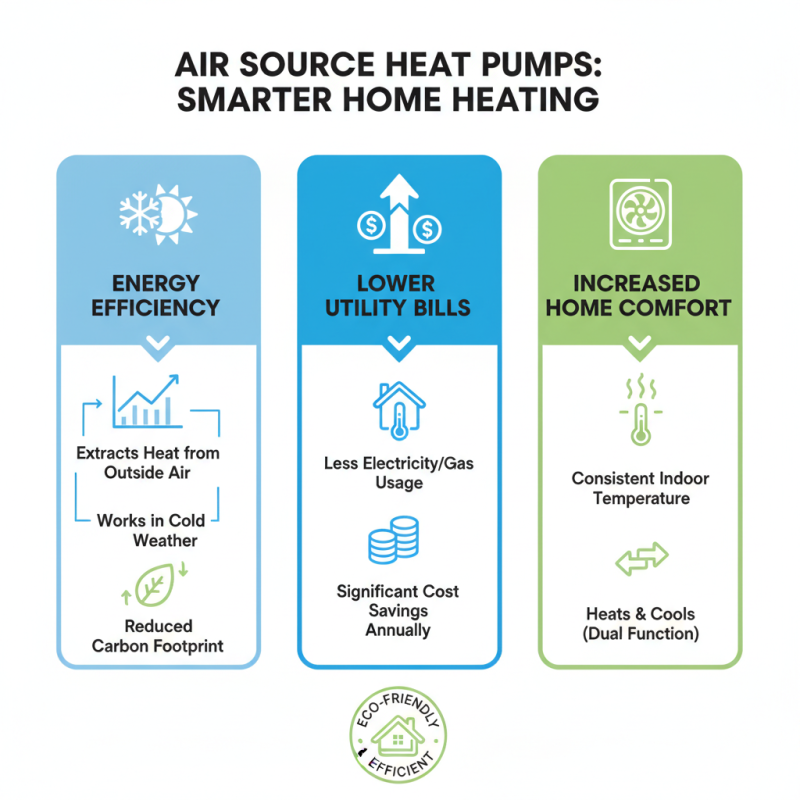
Air source heat pumps are becoming a popular choice for homeowners. They offer significant energy efficiency benefits. By extracting heat from the outside air, they can heat your home even in cold weather. This method reduces energy consumption compared to traditional heating systems. Lower energy use translates to lower utility bills, a major advantage for many families.
Additionally, air source heat pumps contribute to energy savings year-round. In summer, they can work in reverse to cool your home. This dual functionality makes them versatile. Many users appreciate the reduced reliance on fossil fuels. However, some may find the initial installation cost daunting. It’s essential to weigh long-term savings against the upfront investment.
Ensuring proper installation is crucial. A poorly installed system may not perform efficiently. Regular maintenance is also necessary for optimal performance. Some homeowners overlook this, leading to decreased efficiency over time. Air source heat pumps can be a smart choice, but they do require thoughtful consideration and care.
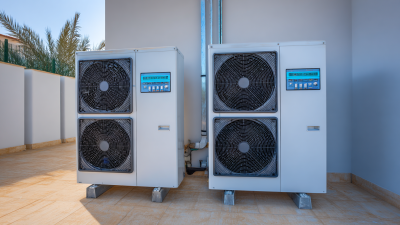
Air source heat pumps (ASHPs) are becoming increasingly popular for their efficiency and environmental benefits. They can reduce carbon emissions significantly. According to the Energy Saving Trust, ASHPs can cut carbon emissions by up to 50% when compared to traditional heating systems. This reduction results from their ability to extract heat from the air, even in colder temperatures, and transfer it into homes.
The carbon footprint of heating often contributes to global warming. Transitioning to air source heat pumps helps combat this issue. A study by the International Energy Agency highlights that if widely adopted, these systems could help reduce global CO2 emissions by up to 3 billion tons annually. However, the effectiveness of ASHPs can vary based on climate and insulation levels. In less insulated homes, the benefits might not be fully realized. Consequently, homeowners must consider their specific situations.
While ASHPs can lead to substantial carbon reductions, they do have limitations. In extreme cold, their efficiency can decrease. This makes it essential for homeowners to have backup systems. Understanding these nuances is important for making an informed decision. The transition isn't merely about an upgrade. It involves a commitment to improving energy efficiency and sustainability in our everyday lives.
Air source heat pumps are becoming increasingly popular. They adapt well to various climate conditions, making them versatile. In colder regions, heat pumps extract warmth from the air, even when temperatures drop. This means they can still provide heating during chilly winters. Some homeowners worry about efficiency, especially when it’s freezing outside. However, many find that modern designs perform surprisingly well.
In warmer climates, air source heat pumps can cool homes efficiently. They work by reversing the process used in heating. This cooling capability means you save on energy costs. Yet, it's important to remember that proper installation is crucial. Improper sizing can lead to inefficiencies and discomfort. Some systems may not perform optimally if not maintained correctly. Regular checks can prevent issues and ensure lasting performance.
Overall, the adaptability of air source heat pumps makes them an intriguing option. Still, it’s essential to weigh benefits against potential challenges. Understanding your specific climate needs is key. Homeowners must consider both installation and maintenance before moving forward.
Air source heat pumps (ASHPs) are changing how we think about home heating and cooling. They are versatile systems. They tap into ambient air to provide heat in winter and cooling in summer. This dual functionality can lead to significant energy savings. However, the effectiveness can depend on local climate conditions.
When considering ASHPs, think about your home’s insulation. Poor insulation can create inefficiencies. If your home retains heat or cool air effectively, you maximize the benefits of the system. Regular maintenance is crucial. It helps to maintain efficiency and prolongs system life.
Tips for using your ASHP more effectively: Ensure that vents are not blocked. This prevents airflow issues. Monitor the system periodically for strange noises or irregular performance. Keep an eye on the outdoor unit; it should be clear of debris. Remember that even the best systems have limitations. Reflect on your heating requirements throughout the year.
| Benefit | Description | Impact on Energy Efficiency |
|---|---|---|
| Energy Efficiency | Air source heat pumps can achieve efficiency ratings of 300-400% by transferring heat instead of generating it. | Reduction in energy bills by up to 50% compared to conventional heating systems. |
| Low Carbon Emissions | They help reduce carbon footprint since they use renewable heat from the air. | Contributes to national carbon reduction targets. |
| Heating and Cooling | Can be used for both heating in winter and cooling in summer. | Enhanced year-round comfort with a single system. |
| Government Incentives | Many regions offer financial incentives for installation of air source heat pumps. | Lower upfront costs with potential rebates and tax credits. |
| Versatility | Suitable for various types of homes and can be installed in most locations. | Flexible installations tailored to different building types. |
| Improved Air Quality | They can provide better humidity control and reduce indoor allergens. | Creates a healthier indoor environment. |
| Low Operating Costs | Generally, lower maintenance and operational costs compared to gas or oil heating systems. | Cost-effective long-term heating solution. |
| Reliability | Air source heat pumps are known for their reliability and performance longevity. | Fewer breakdowns and longer lifespan than traditional systems. |
| Easy Installation | Installation is simpler compared to ground source heat pumps and does not require extensive excavation. | Faster setup with minimal disruption. |
| Increased Home Value | Installing a heat pump can increase the value of your home by making it more energy-efficient. | Attractiveness to energy-conscious home buyers. |
Air source heat pumps (ASHPs) have gained popularity due to their long-term durability and low maintenance needs. According to the US Department of Energy, well-installed ASHPs can last over 15 years. Their lifespan often exceeds that of traditional heating systems, leading to reduced replacement costs. However, some units may not perform optimally without regular checks. It’s crucial to monitor and maintain them, even if they require less frequent attention than conventional systems.
The maintenance for ASHPs is relatively straightforward. Annual servicing often includes cleaning or replacing filters, which can improve efficiency. A report by the Environmental Protection Agency noted that efficient ASHPs can reduce energy bills by up to 60%. This efficiency translates into longevity, as the systems work effectively with less stress. However, neglecting minor maintenance can lead to unexpected repairs. Owners should be mindful of how regular cleaning impacts overall performance.
While ASHPs generally demand less upkeep, user commitment is vital. The ease of maintenance does not eliminate all issues. Environmental factors, such as extreme temperatures, may impact performance. Regular reviews can help homeowners recognize potential problems early. Investing in an ASHP could be wise, but oversight is necessary to maximize benefits.