Top 10 Benefits of Heat Pumps for Your Home Savings?
In the quest for energy efficiency in homes, heat pumps have emerged as a popular solution. According to energy expert, Dr. John Mitchell, “Heat pumps are revolutionary for home savings.” His insights highlight the remarkable benefits these systems provide.
Heat pumps use electricity to move heat, making them efficient options for heating and cooling. They can reduce energy bills significantly, often by up to 50%. Many homeowners have noticed lower monthly expenses after installation. These systems also contribute to environmental sustainability by reducing the reliance on fossil fuels.
However, not every installation goes smoothly. Some users have reported issues with sizing and performance. It's essential to assess your home’s unique needs before choosing a heat pump. Engaging with professionals can help tailor the right solution. As the industry evolves, ongoing reflection on these challenges will lead to better results. Investing in a heat pump could be a step towards a more efficient future.
Benefits of Heat Pumps for Homeowners
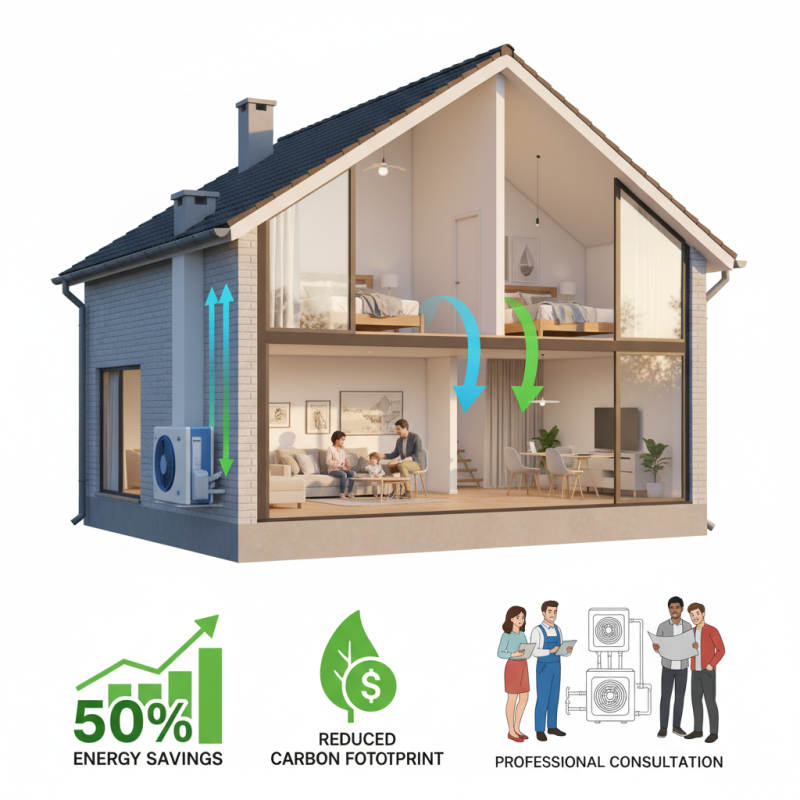
Heat pumps offer numerous advantages for homeowners, transforming how we heat and cool our spaces. According to the U.S. Department of Energy, heat pumps can reduce energy costs by 30% to 60%. They provide an efficient alternative to traditional heating systems. This efficiency translates into significant savings on utility bills over time.
Moreover, these systems are known for their versatility. Heat pumps can both heat and cool your home, making them a year-round solution. However, some homeowners may face challenges during extreme weather conditions. In colder climates, heat pumps might require supplemental heating. A study from the National Renewable Energy Laboratory indicates that properly sized systems can work effectively even in low temperatures.
Environmental benefits also warrant attention. Heat pumps can lower carbon emissions by up to 50%, contributing to a greener planet. Yet, the initial investment can be daunting. Some homeowners struggle to see the long-term savings potential. This could lead to hesitation in making the switch. As awareness of these systems grows, more homeowners are reevaluating their heating and cooling choices.
Top 10 Benefits of Heat Pumps for Your Home Savings
| Benefit |
Description |
Estimated Savings (%) |
| Energy Efficiency |
Heat pumps use less energy compared to traditional heating systems. |
30-40% |
| Lower Utility Bills |
Reduced energy consumption leads to lower monthly bills. |
20-50% |
| Eco-Friendly |
Heat pumps significantly lower carbon emissions. |
N/A |
| Versatile Heating and Cooling |
Can efficiently provide both heating in winter and cooling in summer. |
N/A |
| Low Maintenance Costs |
Less frequent repairs and longer lifespan compared to conventional systems. |
10-15% |
| Tax Incentives and Rebates |
Many regions offer financial incentives for purchasing heat pumps. |
Varies by location |
| Improved Indoor Air Quality |
Filters air pollutants, providing cleaner indoor air. |
N/A |
| Increased Home Value |
Energy-efficient upgrades can raise property value. |
Varies |
| Silent Operation |
Operate much quieter than traditional heating systems. |
N/A |
| Adaptable Systems |
Can be integrated with existing heating systems for added efficiency. |
N/A |
Energy Efficiency of Heat Pumps Compared to Traditional Systems
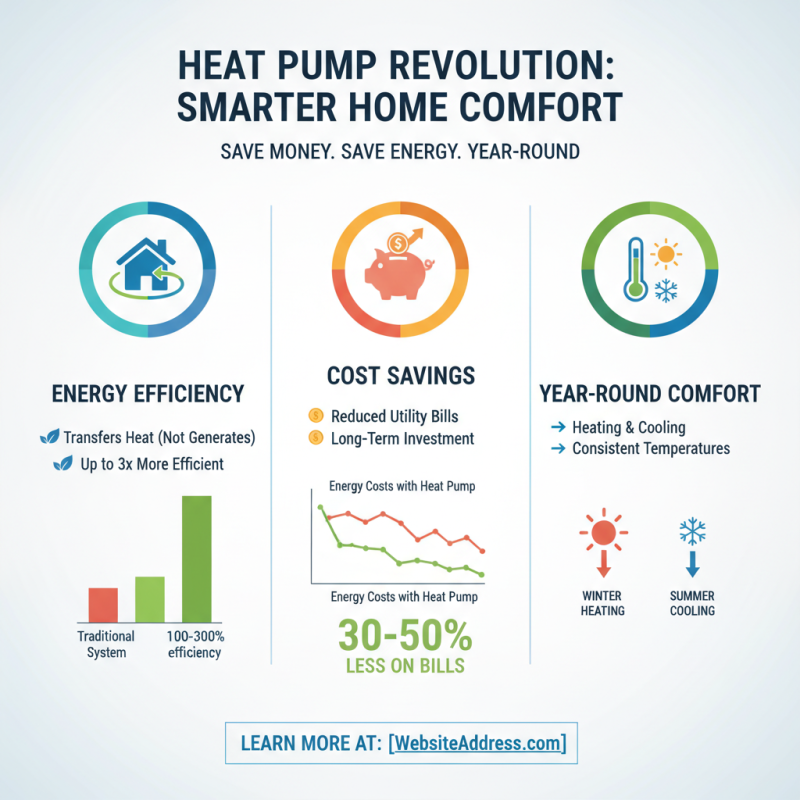
Heat pumps are becoming increasingly popular for home heating and cooling. They are known for their high energy efficiency compared to traditional systems. Many homeowners are curious about these benefits, especially when it comes to saving on utility bills. Unlike conventional heating systems, heat pumps transfer heat rather than generating it. This method can significantly cut energy costs.
In colder months, they extract heat from the outside air or ground. In warmer months, they reverse the process. This dual functionality can lead to remarkable savings. Some homeowners report up to 50% reduction in their energy bills. However, installation costs can be a concern. It’s crucial to consider the type of heat pump best suited for your home.
Heat pumps also typically require less maintenance than traditional furnaces or boilers. Yet, in very cold climates, their efficiency may drop. This factor must be examined based on individual circumstances. Overall, heat pumps are an excellent investment, but understanding their limitations is equally important. The upfront cost may give some pause, but the long-term savings can be substantial.
Cost Savings: How Heat Pumps Lower Energy Bills
Heat pumps have become a popular choice for homeowners seeking cost savings. These systems primarily use electricity to transfer heat, making them more efficient compared to traditional heating methods. According to the U.S. Department of Energy, heat pumps can reduce energy usage by 30% to 60% compared to conventional heating systems. This substantial decrease results in lower monthly energy bills for families across the country.
Moreover, heat pumps provide benefits beyond just saving on energy costs. They can also qualify homeowners for various rebates and tax incentives. For instance, the Energy Efficiency Tax Credit can help reduce upfront installation costs, further enhancing savings. However, some homes may require modifications to accommodate a heat pump system, which could lead to unexpected expenses.
On a seasonal basis, heat pumps can struggle in extreme conditions. In very cold climates, their performance may drop, leading to higher reliance on backup heating options. This situation can result in increased energy usage during the cold months. It’s crucial for homeowners to assess their specific needs and local climate when considering a heat pump, as potential issues could impact overall cost savings. Ultimately, understanding these factors can help maximize the benefits of heat pumps while minimizing hidden costs.
Top 10 Benefits of Heat Pumps for Your Home Savings
Environmental Impact of Using Heat Pumps
The environmental impact of heat pumps is significant. According to the U.S. Department of Energy, heat pumps can reduce energy consumption by 30-60% compared to traditional heating systems. This means less reliance on fossil fuels, leading to decreased greenhouse gas emissions.
In a study by the International Energy Agency, it was highlighted that heat pumps can help lower carbon emissions. They provide a more sustainable alternative for homeowners. However, the effectiveness of heat pumps greatly depends on the local climate. Regions with milder temperatures see better efficiency. In colder areas, heat pumps may struggle, requiring backup systems.
Moreover, installation can be complex and costly. Homeowners must consider these factors when evaluating their options. It's crucial to weigh the long-term savings against the upfront costs. Balancing environmental benefits with personal budgets can be challenging. Understanding these limitations is important for making informed decisions.
Maintenance and Longevity of Heat Pump Systems
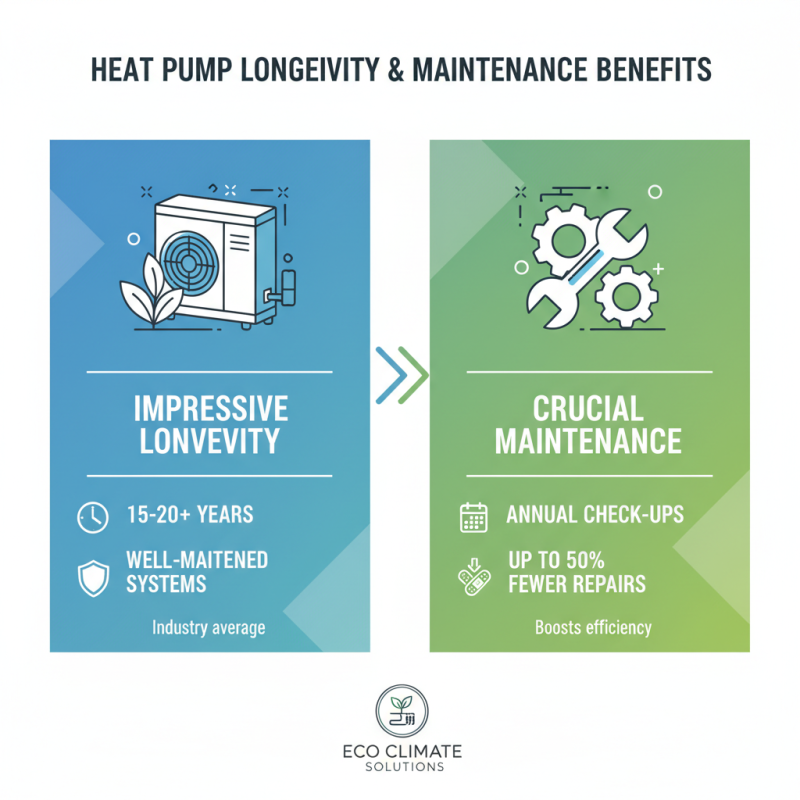
Heat pump systems can offer impressive longevity with proper maintenance. Industry studies show that well-maintained heat pumps can last over 15 years, and some even reach 20 years. Routine check-ups are crucial. Annual maintenance can reduce repair needs by up to 50%. It also helps in maintaining efficiency.
Neglect can lead to inefficiencies. Filters, for instance, need regular cleaning or replacement. Clogged filters can decrease airflow, increasing energy consumption. Homeowners might not notice the gradual increase in energy bills until it’s too late. A simple maintenance routine can prevent these common issues.
Moreover, monitoring refrigerant levels is essential. Low refrigerant can harm the compressor, leading to expensive repairs. Keeping an eye on these components aids in extending the life of the heat pump. A strategic approach to upkeep can enhance performance. Yet, many homeowners overlook these tasks. Investing time in regular maintenance pays off in the long run.