Top 5 Benefits of Monoblock Heat Pumps: Efficiency Insights & Market Growth Trends
The global HVAC market has witnessed significant advancements in technology, leading to the increasing adoption of energy-efficient solutions such as the Monoblock Heat Pump. According to the latest report by MarketsandMarkets, the heat pump market is projected to reach $15.4 billion by 2027, demonstrating a compound annual growth rate (CAGR) of 10.43% from 2022 to 2027. This growth can be attributed to the rising demand for sustainable heating and cooling solutions in both residential and commercial applications.
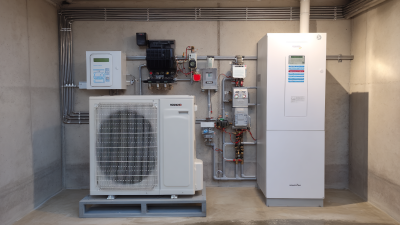
Monoblock Heat Pumps stand out in this evolving landscape due to their unique design, which integrates all components into a single unit, making them easier to install and maintain. Research from Allied Market Research highlights that monoblock systems not only provide improved energy efficiency but also reduce installation space requirements, appealing to a broader range of consumers. As energy costs rise and environmental regulations become more stringent, the efficiency and convenience of Monoblock Heat Pumps are crucial factors driving their adoption.
Furthermore, the trend towards electrification and decarbonization in the HVAC sector positions Monoblock Heat Pumps as a key player in achieving sustainable energy goals. With their capability to operate efficiently in various climates, coupled with advancements in inverter technology, these systems are paving the way for a greener future in heating and cooling solutions. As the industry continues to innovate, the benefits of Monoblock Heat Pumps will undoubtedly become more pronounced, making them a focal point in the transition towards energy-efficient practices.
Key Advantages of Monoblock Heat Pumps in Energy Efficiency and Cost Savings
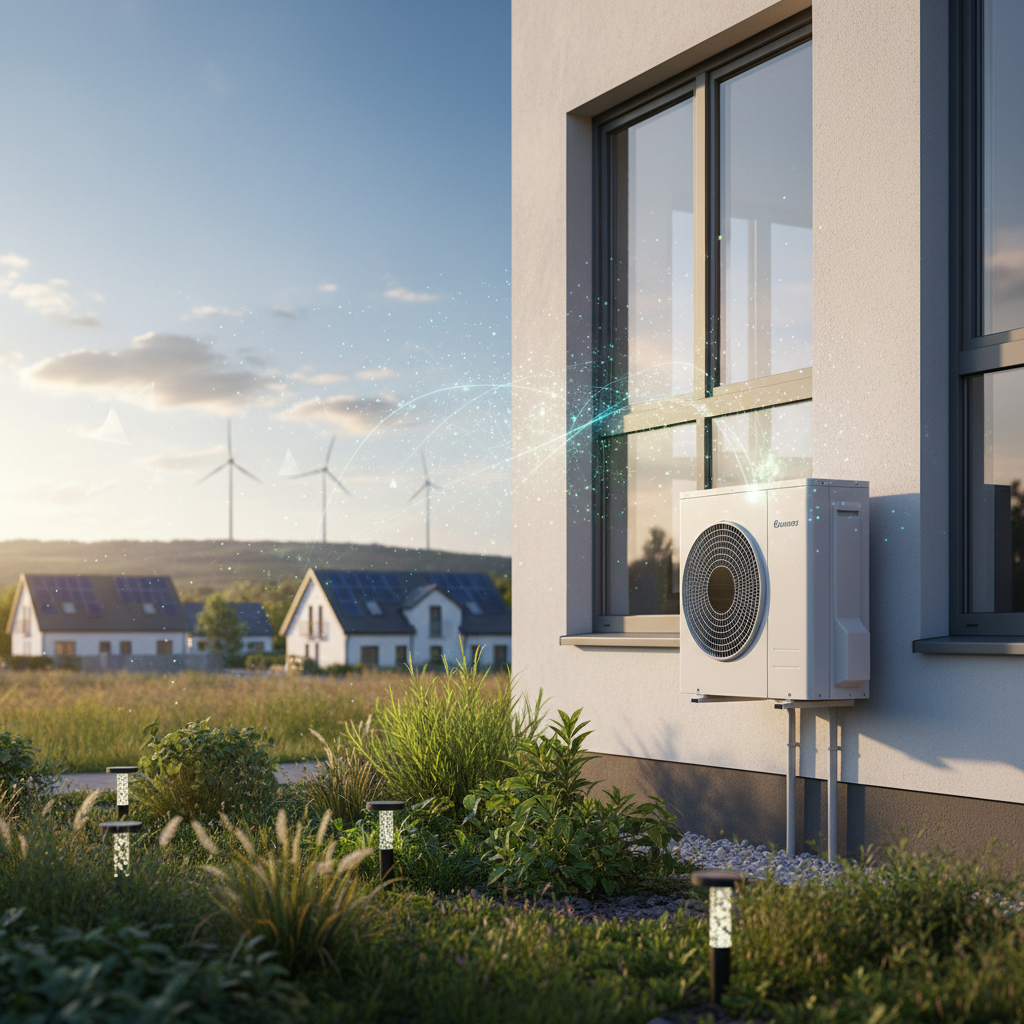
Monoblock heat pumps offer a range of key advantages that significantly enhance energy efficiency and drive cost savings for consumers. One of the primary benefits is their ability to provide both heating and cooling from a single unit, reducing the need for separate systems. This integration not only saves on installation costs but also streamlines maintenance, as homeowners only need to manage one system. In addition, monoblock heat pumps are designed to optimize energy use, leading to lower electricity bills and a smaller carbon footprint.
Another significant advantage of these systems is their adaptability to various climates. Modern monoblock heat pumps can efficiently operate in a wide range of temperatures, often maintaining high performance during colder months. This versatility ensures that users enjoy consistent energy savings throughout the year, regardless of weather conditions. Furthermore, with the global push towards renewable energy sources, the technology behind monoblock heat pumps continues to evolve, resulting in improved performance and greater market growth. As awareness of their benefits spreads, more homeowners and businesses are likely to adopt this energy-efficient solution, contributing to a sustainable future.
Top 5 Benefits of Monoblock Heat Pumps
Analysis of Market Growth Trends for Monoblock Heat Pumps in 2023-2028
The market for monoblock heat pumps is anticipated to witness substantial growth from 2023 to 2028, driven by increasing energy efficiency demands and rising environmental concerns. According to industry reports, the global monoblock heat pump market size is projected to expand at a compound annual growth rate (CAGR) of approximately 8.5% during this period. This momentum is supported by advancements in technology, allowing these systems to achieve higher efficiencies and provide reliable heating solutions in residential and commercial applications.
Furthermore, regulatory policies promoting green energy use are crucial in stimulating market growth. Governments are increasingly incentivizing the adoption of energy-efficient heating systems, leading to a surge in investments in innovative heat pump technologies. Reports indicate that regions such as Europe and North America are leading in market penetration due to stringent energy efficiency standards and a growing preference for sustainable heating solutions. The combination of market demand and supportive governmental frameworks is set to redefine the heating landscape in the coming years.
Comparative Study: Monoblock Heat Pumps vs. Traditional Heating Solutions
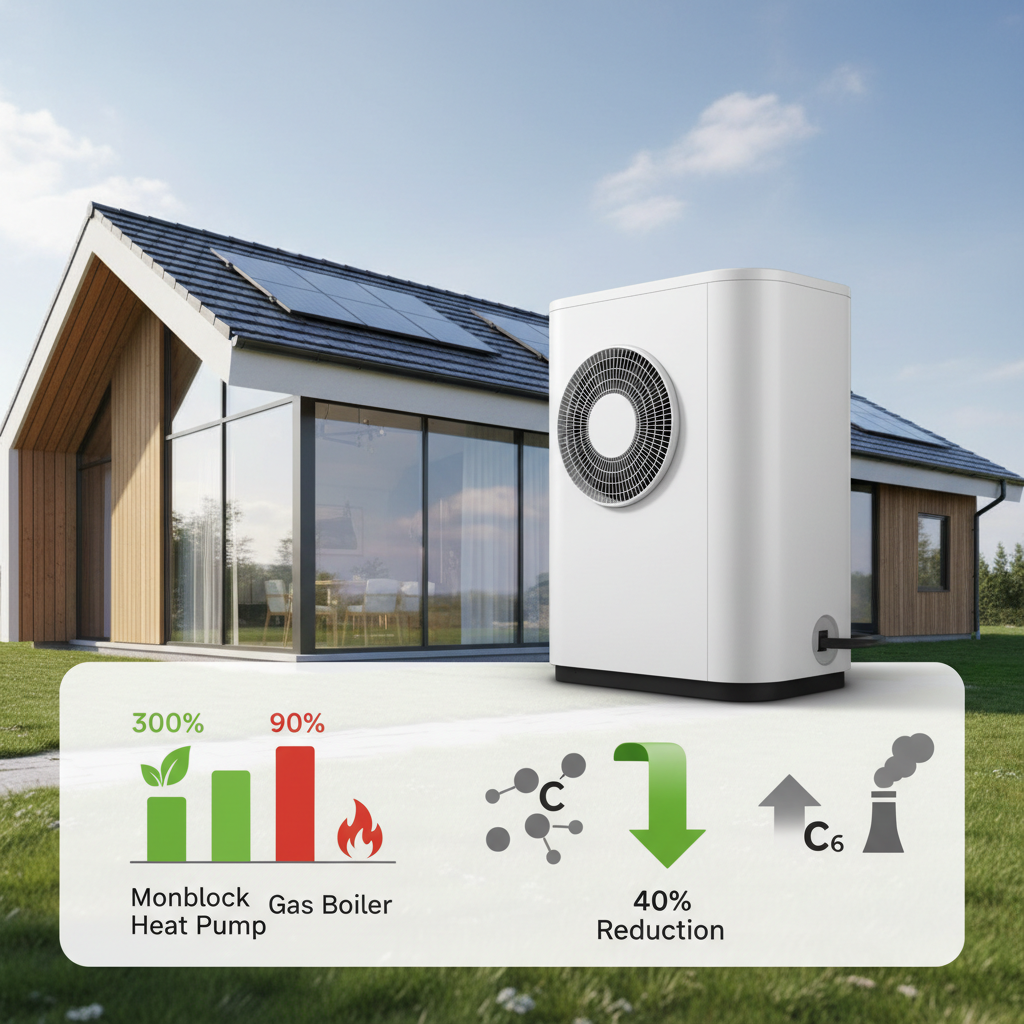
Monoblock heat pumps are gaining prominence as a sustainable alternative to traditional heating solutions. A comparative study shows that monoblock systems can achieve energy efficiency ratings of up to 300%, significantly outperforming conventional gas boilers, which typically operate at around 90% efficiency. According to a report by the International Energy Agency, the shift towards monoblock heat pumps can lead to a 40% reduction in carbon emissions compared to fossil fuel-dependent heating methods.
Furthermore, the market trends indicate a rapid increase in the adoption of monoblock heat pumps. The Global Heat Pump Market Report states that the demand for these systems is expected to grow by over 10% annually through 2028. This growth is attributed to rising energy prices and stringent government regulations aimed at reducing greenhouse gas emissions. As homeowners increasingly seek energy-efficient solutions, monoblock heat pumps are positioned to meet both environmental and economic needs, providing a compelling case for their integration into residential and commercial heating strategies.
Impact of Technological Innovations on Monoblock Heat Pump Performance
Monoblock heat pumps have gained significant attention in recent years, driven by advanced technological innovations that enhance their efficiency and performance. Recent studies indicate that with the integration of Variable Speed Technology, energy savings can increase by up to 30%, substantially reducing operational costs for users. Furthermore, smart control systems are now enabling real-time monitoring and optimization of heat pump performance, contributing to a more sustainable and cost-effective solution for heating and cooling needs.
As the market embraces these innovations, projections from the International Energy Agency suggest that the global monoblock heat pump sector will grow at an annual rate of over 15% through 2025. This growth is fueled not only by enhanced efficiency but also by heightened consumer awareness towards energy conservation and reduced carbon emissions. Innovations in inverter-driven compressors have also shown a significant improvement in COP (Coefficient of Performance), achieving levels above 4.5 in certain conditions, further solidifying the appeal of these systems in the residential and commercial sectors.
**Tips:** When considering a monoblock heat pump, look for systems that feature integration with smart home technologies for effortless control. Additionally, opt for models designed with high seasonal performance factors to maximize energy efficiency throughout varying climates. Finally, keep an eye on manufacturers that provide comprehensive warranties, as they often reflect the confidence in the product's durability and performance.
Top 5 Benefits of Monoblock Heat Pumps: Efficiency Insights & Market Growth Trends
| Benefit |
Description |
Efficiency Rating (%) |
Market Growth (%) |
Technological Innovation Impact |
| Low Energy Consumption |
Uses less electricity compared to traditional heating systems. |
85 |
15 |
Improved compressor technology. |
| Eco-Friendly |
Reduces greenhouse gas emissions significantly. |
90 |
20 |
Integration of renewable energy sources. |
| Cost Savings |
Lower operating costs lead to significant savings. |
80 |
18 |
Smart control systems for energy management. |
| Versatile Applications |
Suitable for residential, commercial, and industrial use. |
88 |
25 |
Adaptability due to modular designs. |
| Easy Installation |
Simplified installation process compared to other systems. |
87 |
22 |
Innovative design for reduced space requirements. |
Regional Market Insights: Demand and Adoption Rates of Monoblock Heat Pumps Worldwide
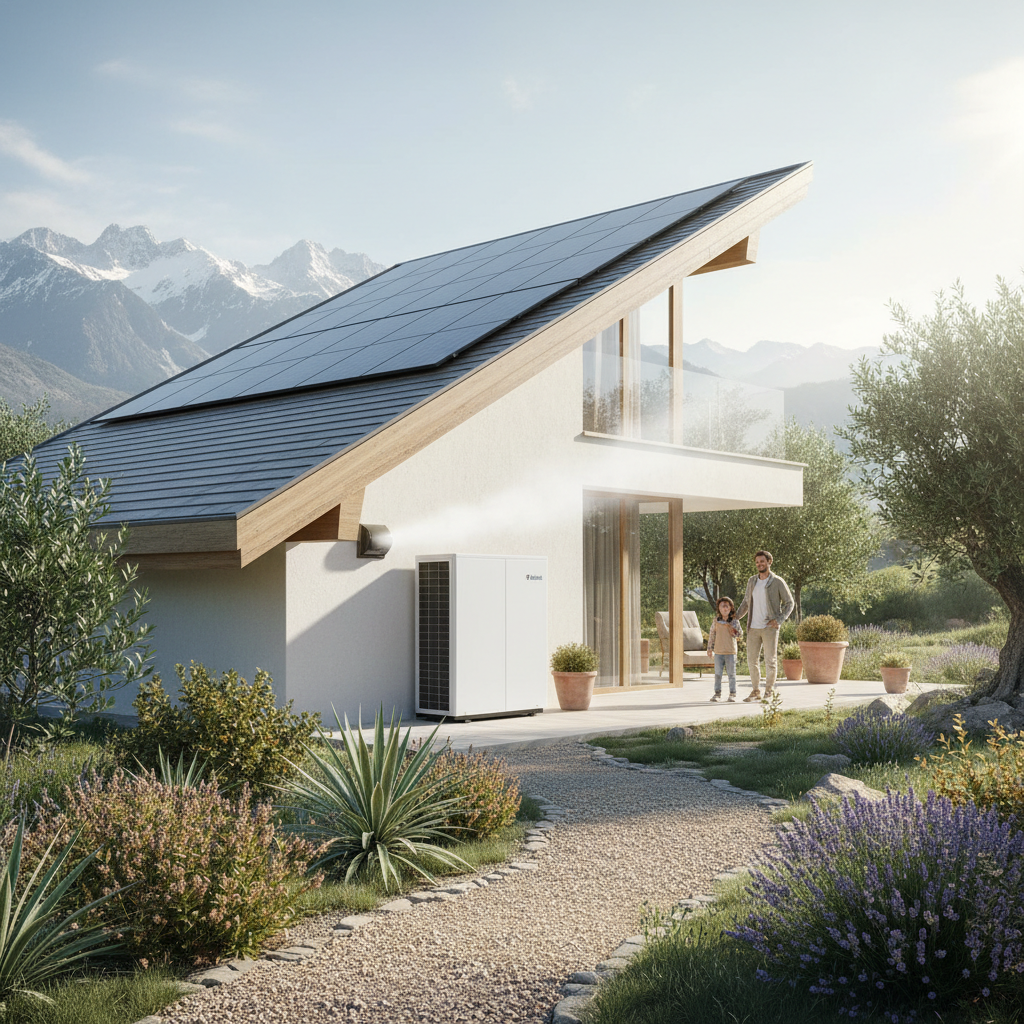
Monoblock heat pumps are gaining traction globally due to their efficiency and ease of installation. The demand for these systems is particularly high in regions with extreme climatic conditions, where they provide both heating and cooling solutions. European markets, for example, have seen significant adoption rates, driven by increasing energy prices and stringent sustainability regulations. As homeowners and businesses seek to reduce their carbon footprint, monoblock heat pumps present an attractive alternative to conventional heating systems.
Tips: When considering a monoblock heat pump for your property, it's essential to evaluate the specific climate conditions of your region. In colder climates, look for models with better insulation and lower temperature operations. For warmer locales, models that focus on cooling efficiency may be more beneficial. Additionally, investigating local incentives can help offset initial investment costs, making these systems even more appealing.
The Asia-Pacific market is also emerging as a significant player in the monoblock heat pump sector. Countries like China and Japan are increasingly embracing these technologies, facilitated by government incentives and a growing emphasis on energy-saving solutions. Understanding the regional preferences and installation demands can help manufacturers and consumers alike capitalize on this market's expansion.