Top Benefits of Monoblock Heat Pumps: Efficient Heating Solutions Explained
The growing demand for energy-efficient heating solutions has propelled the adoption of Monoblock Heat Pumps in various residential and commercial applications. According to a recent report by the International Energy Agency, heat pumps can reduce energy consumption for heating by up to 50% compared to traditional fossil fuel boilers. This potential for significant energy savings not only translates into lower utility bills for consumers but also contributes to reduced greenhouse gas emissions, aligning with global sustainability goals.
In the words of Dr. Emily Hart, a leading expert in HVAC technologies, “Monoblock Heat Pumps represent a groundbreaking shift in how we think about heating our spaces. Their ability to operate efficiently in various climates makes them an ideal choice for environmentally conscious consumers.” With advancements in technology, these systems offer enhanced performance, reliability, and ease of installation, making them a practical solution for homeowners and businesses alike. As the industry continues to evolve, understanding the top benefits of Monoblock Heat Pumps becomes essential for anyone looking to invest in an efficient heating solution that meets both economic and environmental needs.
Understanding Monoblock Heat Pumps: An Overview
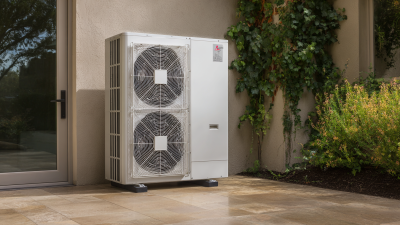
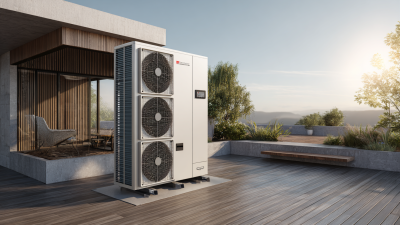
Monoblock heat pumps are revolutionizing heating solutions in residential and commercial spaces by offering a
compact and efficient alternative to traditional heating systems. Unlike
split systems that require installation of both indoor and outdoor units, monoblock heat pumps combine all major
components into a single outdoor unit. This design simplifies installation and reduces associated costs. According
to the International Energy Agency, heat pumps can reduce energy use for heating by up to
50% compared to conventional fossil fuel systems,
making them an environmentally friendlier option.
One of the significant advantages of monoblock heat pumps is their versatility and adaptability to various climates.
They operate efficiently across a range of temperatures, with some models capable of providing heating even in extremely
cold conditions down to
-15°C. This performance is supported by advancements in inverter technology,
which allows the system to adjust its output according to the heating demand. The Global Heat Pump Market Report
indicates that the adoption of heat pumps is expected to grow by
13% annually through 2026, driven by increasing energy efficiency standards
and a shift towards sustainable energy solutions.
Tips: When considering a monoblock heat pump, assess your home’s insulation and energy efficiency.
Proper insulation can enhance the performance of the heat pump and maximize energy savings. Additionally, regular
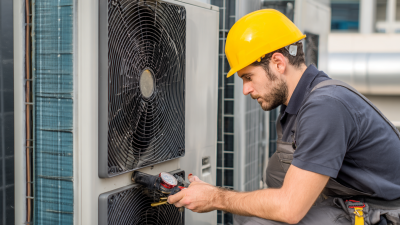
maintenance can ensure optimal functionality and longevity of the system. Investing in a heat pump not only benefits
homeowners through reduced energy bills but also contributes to a more sustainable future.
Key Advantages of Monoblock Heat Pumps in Energy Efficiency
Monoblock heat pumps are rapidly gaining recognition for their energy efficiency, making them a compelling choice for sustainable heating solutions. Unlike traditional heating systems that rely on separate indoor and outdoor components, monoblock systems integrate all mechanical parts into a single unit. This design greatly simplifies installation and maintenance while also enhancing overall efficiency. By extracting heat from the outside air and transferring it indoors, monoblock heat pumps can provide significant energy savings compared to conventional heating methods, leading to lower energy bills and reduced carbon emissions.
One of the standout advantages of monoblock heat pumps is their ability to operate effectively in various climates. Modern technology has enabled these systems to maintain their efficiency even in colder temperatures, ensuring consistent heating throughout the year. Additionally, the heat pump's inverter technology allows for variable speed operation, which adjusts power consumption based on heating demands. This not only maximizes energy efficiency but also minimizes wear and tear on the system, extending its lifespan. Ultimately, the combination of design innovation and operational versatility positions monoblock heat pumps as a leading option for eco-conscious consumers looking to optimize energy use in their homes.
How Monoblock Heat Pumps Operate for Optimal Heating
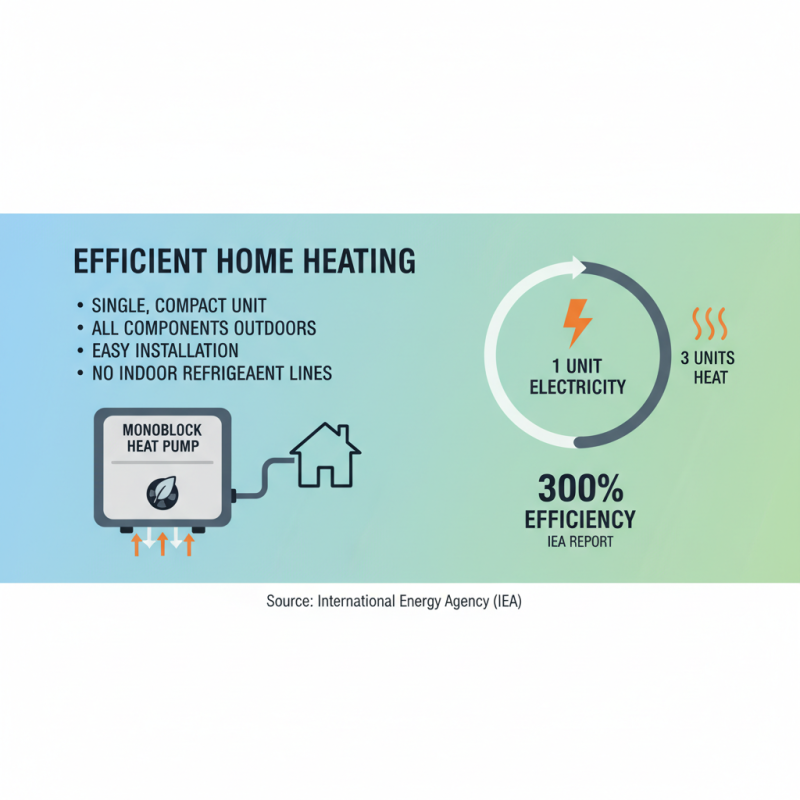
Monoblock heat pumps are recognized for their efficient heating solutions, thanks to their unique operating principles. These systems consist of a single, compact unit that houses all essential components, including the compressor, evaporator, and condenser. This design allows for simplified installation compared to split systems, as there is no need for refrigerant lines running between indoor and outdoor units. According to a report by the International Energy Agency (IEA), monoblock heat pumps can deliver up to 300% efficiency, meaning they provide three units of heat for every unit of electricity consumed.
The operation of monoblock heat pumps is based on the refrigeration cycle. They extract heat from the outdoor air—even at low temperatures—using a refrigerant that evaporates and absorbs heat. The compressor then pressurizes this gas, raising its temperature. The hot gas is subsequently passed through the condenser, where it releases heat into the indoor space. A study by the European Heat Pump Association highlights that these systems operate effectively in temperatures as low as -15°C, making them suitable for diverse climates and ensuring consistent indoor comfort. As a result, monoblock heat pumps not only optimize heating efficiency but also contribute to significant energy savings and reduced carbon emissions in residential and commercial applications.
Comparative Analysis: Monoblock vs. Traditional Heating Systems
When evaluating heating solutions, the comparative analysis between monoblock heat pumps and traditional heating systems reveals significant advantages. Monoblock heat pumps, which are compact systems that contain all components within a single unit, offer a streamlined installation process. Unlike traditional systems that often require complex setups involving separate indoor and outdoor units, monoblock designs simplify the installation by minimizing the need for extensive piping, thereby reducing labor costs and potential installation errors.
Efficiency is another critical area where monoblock heat pumps excel. Traditional heating systems, especially those reliant on fossil fuels, tend to incur higher operational costs and generate more emissions. In contrast, monoblock heat pumps harness renewable energy sources, such as ambient air or groundwater, allowing them to provide effective heating while minimizing environmental impact. Additionally, their ability to operate at varying capacities means that they can adjust to real-time heating demands, ensuring optimal energy use throughout the heating season. This adaptability not only enhances comfort but also leads to significant energy savings over time, showcasing the monoblock heat pump as a forward-thinking solution in modern heating technology.
Environmental Benefits of Using Monoblock Heat Pumps
Monoblock heat pumps have emerged as a crucial technology for enhancing energy efficiency and reducing environmental impact in heating solutions. Unlike traditional systems that require separate indoor and outdoor units, monoblock heat pumps integrate all components into a single unit, streamlining installation and maintenance. According to the International Energy Agency (IEA), heat pumps can reduce carbon emissions by up to 70% compared to conventional gas and oil heating systems. This substantial reduction not only contributes to lower energy bills for homeowners but also aligns with global efforts to mitigate climate change.
The environmental benefits of using monoblock heat pumps extend beyond just reduced emissions. These systems typically utilize renewable energy sources, such as ambient air, making them more sustainable. A report from the European Commission highlights that if heat pumps were deployed widely across the EU, they could save up to 2.5 billion tonnes of CO2 annually by 2030. Additionally, the promotion of heat pumps aids in decreasing reliance on fossil fuels, further driving the transition towards renewable energy solutions. The overall efficiency and low operational impact position monoblock heat pumps as a leading choice for a sustainable future, ensuring they play a vital role in the global move towards greener technologies.
Top Benefits of Monoblock Heat Pumps: Efficient Heating Solutions Explained - Environmental Benefits of Using Monoblock Heat Pumps
| Benefit |
Description |
Environmental Impact |
| Energy Efficiency |
Monoblock heat pumps utilize ambient air, providing significant heating efficiency compared to traditional heating systems. |
Lower energy consumption leads to reduced greenhouse gas emissions. |
| Compact Design |
The monoblock design combines all components into one unit, saving space and simplifying installation. |
Reduced need for extensive installation means less disturbance to the environment. |
| Versatility |
Can provide both heating and cooling, making it a year-round solution. |
Reduces reliance on multiple systems, leading to lower emissions across the board. |
| Low Maintenance |
Requires less maintenance than conventional systems due to fewer moving parts. |
Lower maintenance means reduced waste and resource consumption over time. |
| Government Incentives |
Many governments offer rebates and incentives for the installation of heat pumps. |
Promoting the use of green technologies encourages a shift towards sustainable energy solutions. |