Top 5 Benefits of Using Vegetable Air Dryers?
In recent years, the consumption of dehydrated vegetables has surged. This growth is largely fueled by health trends and sustainability. According to the Global Dehydrated Vegetable Market report, the sector is expected to reach $2.2 billion by 2025. A key technology driving this progress is the Vegetable Air Dryer.
Experts like Dr. Jane Thompson, a leading authority in drying technologies, state, “The efficient processing of vegetables is crucial for maintaining nutritional value.” Indeed, Vegetable Air Dryers preserve essential vitamins while eliminating moisture. This results in a product that has a longer shelf life and better flavor.
The use of Vegetable Air Dryers also significantly reduces food waste. In an industry where approximately 30% of produce is discarded, every enhancement in preservation counts. However, there are still challenges. Not every dryer yields consistent results. Sometimes, inefficiencies arise due to varying vegetable types and moisture levels. These factors must be carefully evaluated to optimize the drying process.
Advantages of Vegetable Air Dryers in Food Preservation
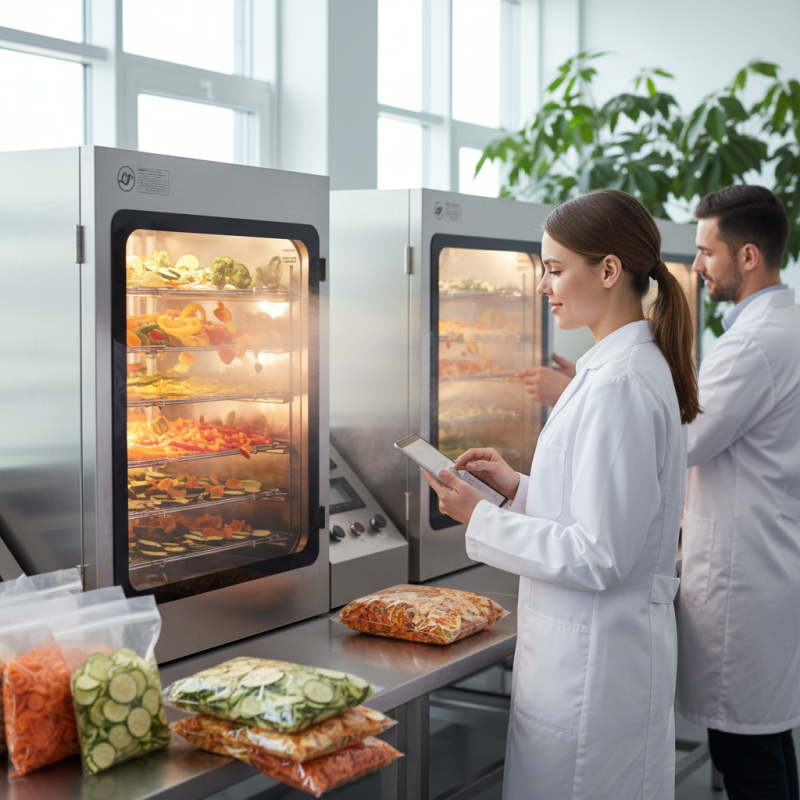
Vegetable air dryers offer significant advantages for food preservation. One major benefit is their ability to retain nutrients. When vegetables are air-dried, many vitamins and minerals remain intact. This process helps keep the food’s original flavor, making meals more enjoyable.
Moreover, air drying enhances shelf life. Dried vegetables are less prone to spoilage. They can be stored for months, even years. This is especially useful for those who want to reduce food waste. However, achieving the right moisture level can take practice.
Over-drying can lead to a tough texture. It might require multiple attempts to get it just right.
Another point to consider is the energy efficiency of air drying. Compared to other methods, such as freezing or canning, it uses less energy. This means lower utility bills and a smaller carbon footprint. Still, it’s important to monitor the drying process closely. Inconsistent results can occur if not enough attention is paid.
Successful food preservation with vegetable air dryers can indeed be rewarding, yet it also requires some trial and error.
Enhanced Nutritional Value Retention with Air Drying Techniques
Air drying is a popular method for preserving vegetables. This technique enhances nutritional value retention remarkably. The process works by removing moisture while keeping vitamins and minerals intact. By avoiding high temperatures, vital nutrients remain more stable compared to traditional cooking methods.
Moreover, air drying keeps flavors concentrated. You bite into a dried carrot or tomato, and the taste is intense. You can often notice the difference when compared to fresh vegetables. The drying process also reduces the risk of spoilage. With longer shelf life, you waste less food overall. But there are challenges to consider.
Not all vegetables dry equally well. Some may lose texture or flavor during drying. Experimentation is key to finding out which ones work best. You might want to document your experiences for future reference. Over time, this can lead to a deeper understanding of the benefits of air drying. Each attempt may reveal something new. It’s a journey worth taking.
Top 5 Benefits of Using Vegetable Air Dryers
Cost-Effectiveness of Using Vegetable Air Dryers for Home Cooking
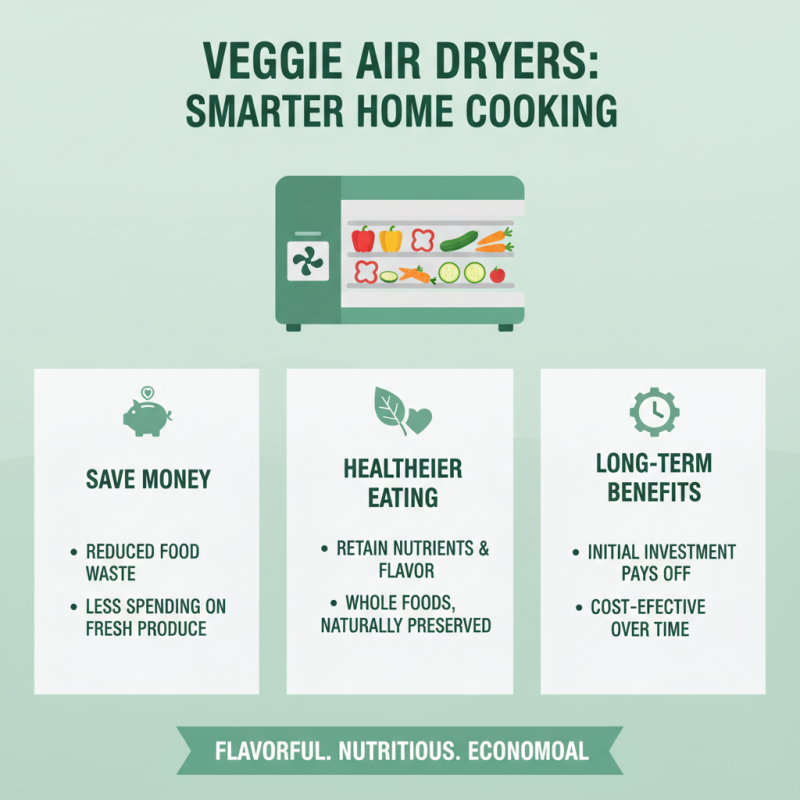
Using vegetable air dryers can be a great decision for home cooking. They save money and reduce food waste. When vegetables are dried properly, they maintain their flavor and nutrients. This can lead to healthier meals without the high cost of fresh produce. The initial investment can seem daunting, but the savings add up over time.
It's important to consider the cost-effectiveness. Buying fresh vegetables can be expensive. If they spoil before you use them, the money is wasted. In contrast, dehydrating your produce allows for long-term storage. You can enjoy seasonal vegetables throughout the year. However, getting the drying process right takes some practice. You might over-dry some batches, leading to less desirable texture.
Another aspect to reflect on is energy use. While vegetable air dryers are efficient, they do consume electricity. You should consider your overall energy consumption to justify the investment. This may result in some unexpected expenses. Yet, if you maintain a balance, the benefits often outweigh the costs, making vegetable air dryers a worthwhile addition to your kitchen.
Space and Energy Efficiency Benefits of Air Drying Vegetables
Air drying vegetables offers remarkable space and energy efficiency benefits. For farms and businesses, the cost savings can be significant. According to industry studies, vegetable air drying can reduce energy consumption by up to 50% compared to traditional methods. This means less money spent on electricity and more efficient use of available resources.
Moreover, air drying requires less infrastructure. Traditional drying methods often need large ovens or dehydrators. In contrast, air drying systems can be compact. In fact, some setups occupy less than 100 square feet. This efficiency in space allows businesses to maximize their storage options. However, it might lead to oversights in how to utilize existing space effectively.
Despite these advantages, challenges remain. Not every vegetable dries well using this method. Factors like humidity and temperature can affect results. This calls for a need to monitor climate conditions closely. A study indicated that humidity levels over 60% can lead to spoilage, diminishing the efficiency gains. Thus, continuous evaluation becomes essential for maximizing the benefits of air drying technologies.
Versatility of Vegetable Air Dryers in Various Culinary Applications
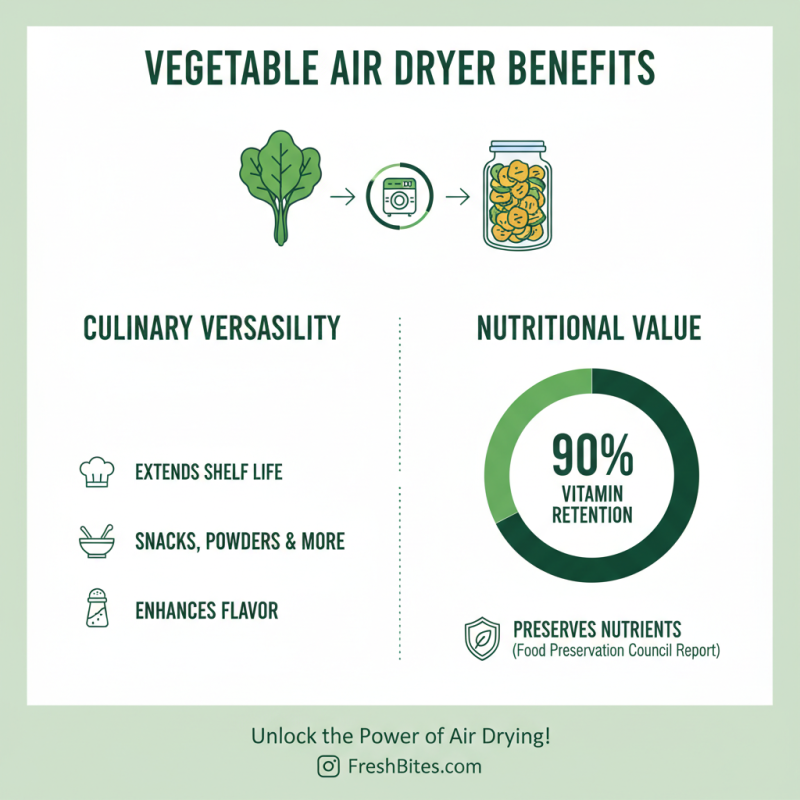
The versatility of vegetable air dryers opens up numerous culinary possibilities. Many chefs and home cooks appreciate how these machines preserve the nutritional value of vegetables. According to a report by the Food Preservation Council, the retention of vitamins can reach up to 90% when using air drying methods.
In various culinary applications, vegetable air dryers can create an array of textures and flavors. Dried vegetables can be ground into powders for soups, sauces, and seasoning blends. They provide a concentrated taste that fresh vegetables often lack. For instance, dried tomatoes can intensify a dish's flavor without unnecessary moisture. However, not every vegetable performs well in the air drying process. Certain varieties, like leafy greens, may become overly brittle and lose their appeal.
Moreover, air-dried vegetables offer convenience. They have a long shelf life, making them an ideal pantry staple. Studies indicate that consumers waste about 30-40% of food annually. Keeping dried vegetables helps mitigate this waste. Still, it’s crucial to monitor moisture levels during the drying process. Over-drying could lead to loss of texture and taste. Balancing moisture content is pivotal to achieving ideal results.