Best Air Conditioner Inverter Models for Global Buyers?
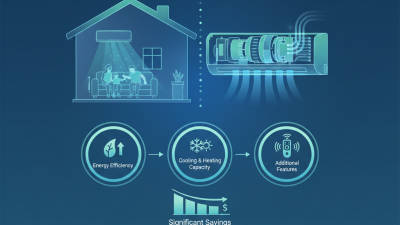
In recent years, the demand for energy-efficient cooling solutions has surged globally. The introduction of air conditioner inverters has revolutionized the HVAC industry. According to a recent report, inverter air conditioners can save up to 30-50% on energy costs compared to traditional models. Their ability to adjust compressor speed helps maintain a consistent temperature, ultimately improving comfort.
With climate change driving unprecedented heatwaves, consumers are seeking efficient cooling solutions. The global inverter air conditioner market is projected to reach USD 20 billion by 2026. This growth highlights the increasing popularity of inverter technology, which offers both performance and lower environmental impact. However, not all models meet these standards, which can make selection challenging.
Buyers must prioritize reliability when choosing an inverter air conditioner. Some less-known brands may claim energy efficiency but fail to deliver. It's crucial to consider factors such as noise levels, maintenance, and warranty. Selecting a reputable brand ensures a worthwhile investment, leading to long-term comfort and savings.

Best Air Conditioner Inverter Technology: An Overview of Efficiency Ratings
Inverter technology in air conditioners is crucial for energy efficiency. Understanding efficiency ratings helps consumers make informed choices. Higher SEER (Seasonal Energy Efficiency Ratio) ratings usually indicate better performance. These ratings reflect the unit's ability to convert electricity into cooling. A unit with a SEER above 16 is often considered effective.
Most inverter models operate quietly and can adjust their speed based on indoor temperatures. This adaptability reduces energy consumption. However, some buyers report difficulties understanding energy costs. It is essential to calculate long-term usage to see actual savings.
Installation can also pose challenges. Proper installation is critical for achieving optimal efficiency. Incorrect setup can lead to performance issues. Ensure that technicians are certified for best results. Customer feedback often highlights the importance of professional guidance during installation. This feedback can be a valuable resource for making decisions.
Top Brands Offering Inverter Air Conditioners: A Comparative Analysis
When evaluating the best inverter air conditioners, top brands play a crucial role. These manufacturers focus on energy efficiency and user comfort. Their products often feature advanced inverter technology. This tech helps regulate temperature more effectively, resulting in lower energy consumption. Users appreciate the quieter operation that many models offer.
However, not every brand excels in all areas. Some may have strong performance but lack in design or ease of use. The variability in after-sales service can also be a concern. Customers need to consider long-term support when choosing their air conditioning unit. Reviews can provide insight, but they can be subjective.
Comparing features is vital. Look for models with smart capabilities or specific energy ratings. Some may offer better cooling in high humidity, while others might perform well in lower temperatures. This diversity suggests that buyers should assess their unique needs before making a decision. Every choice has its pros and cons. Identifying them can lead to a more informed purchase.
Key Features to Consider When Choosing an Inverter AC Model
When selecting an inverter air conditioner, several key features must be considered. Energy efficiency is paramount. According to the International Energy Agency, inverter technology can reduce energy consumption by up to 30%. This is crucial for both environmental impact and cost savings. Buyers should look for models with a high energy efficiency ratio (EER). A higher EER indicates better performance, translating to lower electricity bills.
Noise levels are another important factor. Many models feature a low-decibel operation, making them ideal for bedrooms and quiet environments. Research indicates that noise levels under 50 dB are generally considered acceptable for indoor use. Additionally, the cooling capability of units should match the room size, often measured in British Thermal Units (BTUs). A mismatch here can lead to inefficiencies.
Durability and warranty are significant considerations as well. Inverter ACs should have robust construction and reliable components. A model that includes long warranty periods often signifies manufacturer confidence in product durability. Several industry reports suggest that units with comprehensive warranties attract higher consumer trust. However, it's worth noting that maintenance practices can influence the longevity of any air conditioning system, often overlooked by potential buyers.
Best Air Conditioner Inverter Models for Global Buyers
| Model |
Cooling Capacity (BTU) |
Energy Efficiency Ratio (EER) |
Noise Level (dB) |
Special Features |
| Model A |
12000 |
14 |
30 |
Wi-Fi Enabled, Humidity Control |
| Model B |
18000 |
16 |
28 |
Smart Control, Filter Clean Indicator |
| Model C |
24000 |
15 |
35 |
Inverter Technology, Eco-Friendly Refrigerant |
| Model D |
15000 |
18 |
32 |
Sleep Mode, Turbo Mode |
| Model E |
10000 |
17 |
26 |
Remote Control, Auto Restart |
Global Market Trends: Demand and Sales Data for Inverter ACs
The global market for inverter air conditioners (ACs) is experiencing significant growth. According to recent industry reports, the demand for inverter ACs has surged by approximately 15% annually over the past five years. This trend reflects a shift toward energy-efficient solutions among consumers. Many buyers are prioritizing models that offer better performance and lower energy costs. Inverter ACs adjust their cooling capacity based on ambient conditions, reducing electricity usage.
Sales data indicates that Asia-Pacific leads the market, accounting for over 45% of total inverter AC sales. Factors contributing to this growth include rising temperatures and increased urbanization. Consumers in densely populated areas look for sustainable cooling options. However, the rising demand also brings challenges. Not all manufacturers adhere to strict quality standards, leading to inconsistencies in performance and reliability. This can create buyer confusion and disappointment.
In addition, consumer preferences are shifting. There is an increasing interest in smart technology integration. Many buyers are now looking for models with advanced features, like Wi-Fi connectivity. Yet, not every inverter AC offers these capabilities. Some models are still lagging in this area. As the market evolves, manufacturers must adapt to meet these new expectations. The focus on innovative designs and enhanced user experience is essential for future growth in the inverter AC market.
Energy-Efficient Practices: How Inverter ACs Contribute to Sustainability
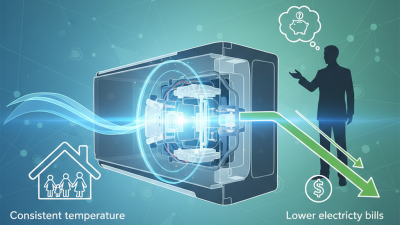
Inverter air conditioners (ACs) stand out for their energy efficiency. They adjust their cooling output based on the room's temperature. This means they use less energy compared to traditional units. When you run an inverter AC, you can save significantly on electricity bills. The technology allows for a consistent temperature, avoiding the comfort swings common in non-inverter models.
However, it's essential to consider installation and maintenance costs. While these units often pay off over time in energy savings, the initial expense can be high. Choosing a trusted technician for installation is crucial. Poor installation can negate the energy efficiency benefits. Regular maintenance is also key to ensuring long-term performance. Neglecting this can lead to reduced efficiency and higher operational costs.
Sustainability is more than just energy savings. It involves responsible production and disposal practices. Many inverter ACs use environmentally friendly refrigerants. Choosing a model with a low global warming potential can contribute to better air quality. This choice reflects a commitment to both personal comfort and the planet’s health. Understanding these aspects is vital for making an informed decision.