Best Fruit Vegetable Dryer for Efficient Harvest Preservation?
Harvest preservation plays a crucial role in the agricultural sector. The demand for efficient drying methods for fruits and vegetables is increasing. A reliable Fruit Vegetable Dryer can help retain more nutrients and reduce spoilage. According to the USDA, nearly 30-40% of food produced in the U.S. is wasted. This highlights the need for effective preservation solutions.
Efficient drying methods extend shelf life and maintain quality. A recent industry report noted that the global food dehydrator market is poised to grow at a CAGR of 7.5% by 2027. Utilizing advanced Fruit Vegetable Dryers can enhance this process. They ensure even drying, which is vital for preventing mold and bacterial growth. Additionally, innovative dryers cater to various scale needs, from home users to commercial producers.
Yet, challenges remain. Not all units are created equal. Some may lack energy efficiency or proper temperature control. Users often find themselves reflecting on their choices after realizing shortcomings in performance. Choosing the right Fruit Vegetable Dryer requires careful consideration of technology, efficiency, and intended use.
Benefits of Using a Fruit and Vegetable Dryer for Preservation
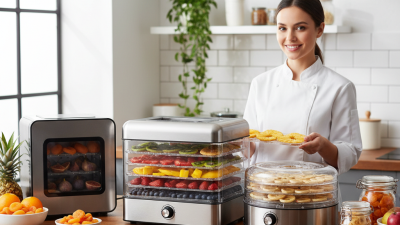
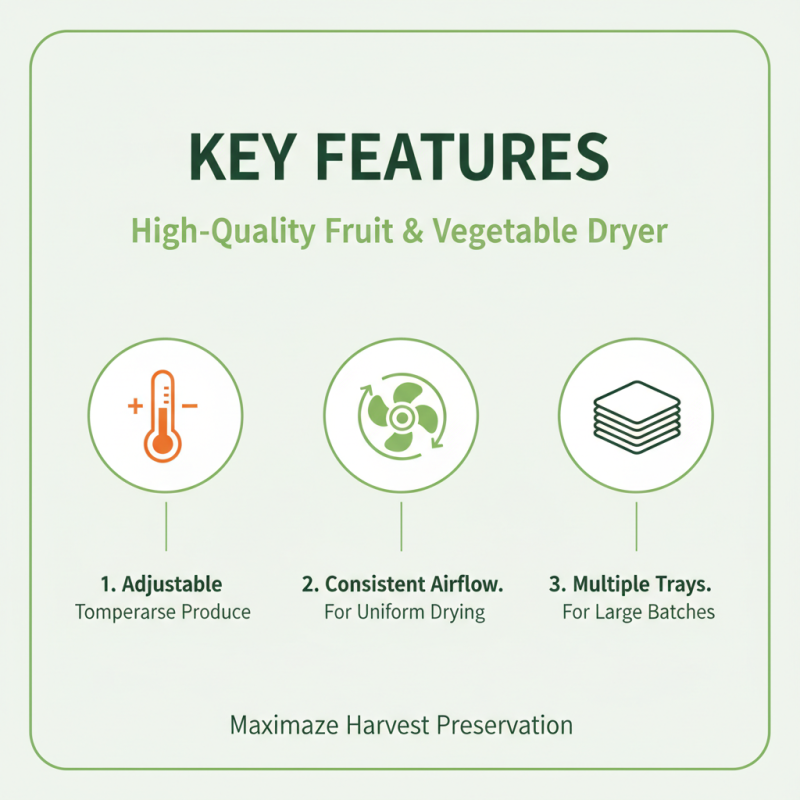
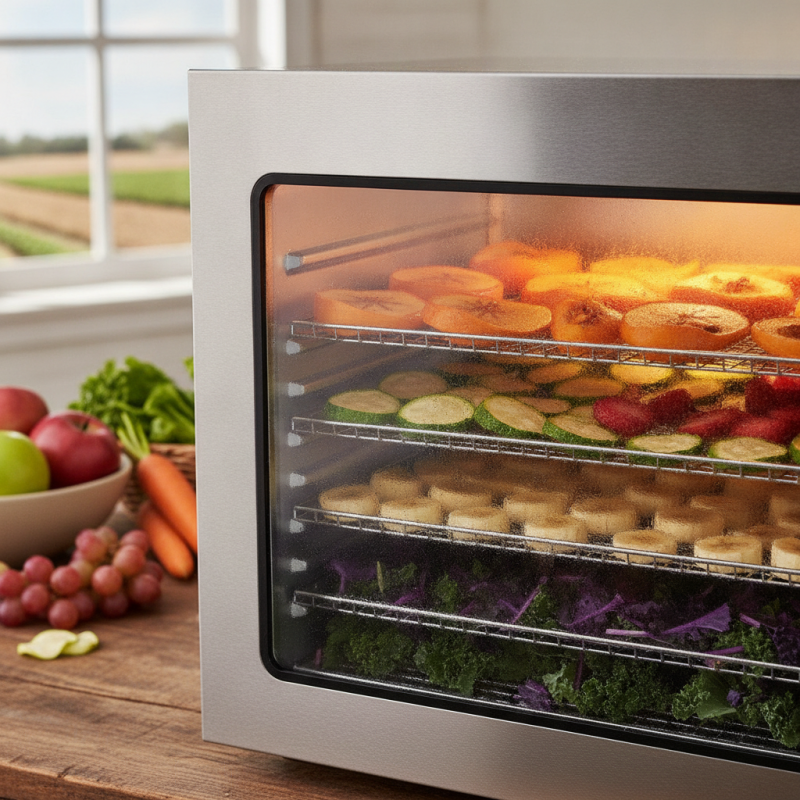
Using a fruit and vegetable dryer offers numerous benefits for preserving harvests. Drying fruits and vegetables helps retain their nutrients, flavor, and texture. This method can extend shelf life significantly. Sunlight and air drying may seem appealing, but these methods often lead to loss of vital vitamins. A dedicated dryer regulates temperature and airflow, ensuring consistent drying.
A reliable fruit and vegetable dryer minimizes waste. Instead of throwing away excess produce, you can transform it into snacks or ingredients. This practice not only saves money but also encourages healthy eating habits. You can enjoy dried fruits for snacks, adding versatility to your meals.
However, not every dryer is perfect. Some may require careful monitoring to prevent overheating. You might also find that certain models are difficult to clean. Finding the right balance between efficiency and ease of use is essential. Investing time in research will pay off in the long run, ensuring you choose a dryer that fits your needs well.
Comparative Analysis of Different Dryer Types: Air vs. Dehydrator
When it comes to preserving your harvest, choosing the right drying method is crucial. There are two main types: air drying and dehydrators. Air drying relies on natural elements like wind and sun. It’s simple and cost-effective but can leave your produce exposed to pests and unpredictable weather. Using this method requires patience and consistent monitoring, which can be time-consuming.
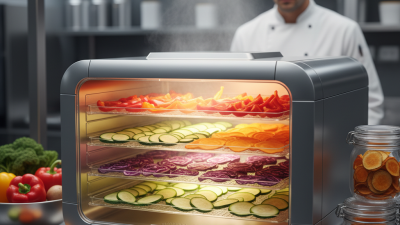
Dehydrators, on the other hand, offer a controlled environment for food preservation. They maintain steady temperatures and airflow, ensuring even drying. This method generally produces better quality results, locking in flavors and nutrients more effectively. However, dehydrators can be more expensive and require electricity. You may worry about energy usage, which could be a significant consideration.
Both methods have advantages and challenges. Air drying is less resource-dependent, but dehydrators often yield superior quality. Personal preferences play a role too. Reflecting on your harvest size and the time available for drying can steer your decision. Consider experimenting with both methods to see what works best for your needs. This approach can lead to a better understanding of the drying process and its impact on food preservation.
Best Fruit Vegetable Dryer for Efficient Harvest Preservation
| Dryer Type |
Energy Efficiency |
Drying Time |
Noise Level |
Capacity |
Price Range |
| Air Dryer |
Moderate |
6-12 hours |
Low |
10-15 lbs |
$100-$300 |
| Electric Dehydrator |
High |
4-8 hours |
Moderate |
5-20 lbs |
$50-$500 |
| Solar Dryer |
Very High |
Variable |
Quiet |
10-30 lbs |
$200-$600 |
| Microwave Dryer |
High |
1-2 hours |
High |
1-5 lbs |
$30-$150 |
| Hybrid Dryer |
High |
3-6 hours |
Low |
15-25 lbs |
$150-$400 |
Step-by-Step Guide to Efficiently Drying Your Produce
When it comes to preserving the nutrients and flavors of your harvest, effective drying is crucial. According to the National Center for Home Food Preservation, properly dried fruits and vegetables retain their quality for longer periods, often exceeding six months. The key is to understand the moisture content of your produce. Ideal moisture levels are around 20% for fruits and 5-10% for vegetables. If the moisture levels are too high, it can lead to spoilage and unsafe storage conditions.
The process involves several steps. Start by selecting fresh vegetables and ripe fruits. Clean them thoroughly and slice them evenly to ensure uniform drying. For instance, slicing apples into uniform pieces helps achieve consistent dryness. Pre-treating with lemon juice can enhance flavor and prevent browning. Use a dehydrator or an oven set to a low temperature for best results. Studies suggest that dehydrators can be up to 20% more efficient than conventional methods, providing faster drying times and better nutrient retention.
Monitoring drying times is essential. Over-drying can lead to a loss of flavor and texture, while under-drying invites mold growth. The Institute of Food Technologists recommends checking produce frequently. For instance, herbs typically dry in 1-4 hours, but larger vegetables may take much longer. Keep a detailed log to help you refine your technique over time. It’s important to embrace the learning curve, as each batch can yield different results based on conditions and produce quality.
Best Fruit and Vegetable Dryers Performance Comparison
Maintenance Tips for Longevity of Your Fruit and Vegetable Dryer
When it comes to preserving the bounty of your harvest, a reliable fruit and vegetable dryer is essential. However, its efficiency greatly depends on proper maintenance. A well-maintained dryer lasts longer and performs better. Keeping your appliance in top shape is vital for future use.
Regular cleaning is crucial. After each use, remove any food particles. Wipe down the trays and interior with a gentle solution. This prevents odor build-up and ensures even drying in future batches. Avoid using abrasive materials. They can damage the surfaces and affect performance.
Check the seals and fans regularly. Damaged seals can lead to moisture escape, reducing drying efficiency. Replace any worn components promptly to avoid bigger issues later. Also, store your dryer in a cool, dry place when not in use. This prevents rust and electronic damage. Over time, neglect can lead to costly repairs or even the need for replacement.