China Best Compressed Air Heater Manufacturer?
Choosing China’s best Compressed Air Heater manufacturer takes more than comparing prices or polished product photos. Buyers should examine operating pressure, airflow, inlet temperature, required outlet temperature, and the materials exposed to heat. A heater that looks suitable on paper may perform poorly if its capacity does not match the actual air demand. Small details matter: sensor placement, wiring access, insulation, and the space available around the unit.
Compressed-air systems specialist Ron Marshall is a useful reference for practical system thinking. The following is an editorial paraphrase, not a verbatim quotation: “Measure the system’s real conditions before selecting heating equipment.” That advice points to a sensible evaluation: request documented performance data, clear drawings, material specifications, and guidance on installation and maintenance. Ask how the manufacturer tests temperature stability and handles changing flow rates. A reliable supplier should explain limits, not just list advantages.
There is no universal winner. A factory with clean workshops and a long product catalog still needs to prove consistency through traceable quality checks and responsive technical support. Look closely.
A useful comparison also considers customization, delivery planning, spare-parts availability, and communication during commissioning. Request a sample specification and confirm that its stated conditions match your application. If answers remain vague, pause. This guide will outline practical questions for assessing Chinese manufacturers without treating marketing claims as proof. One point deserves reflection: a lower purchase price can be misleading when energy use, downtime, or maintenance needs are unclear. The best choice is the one supported by evidence and suited to the real process.
What Is a Compressed Air Heater? Core Components and Heating Methods
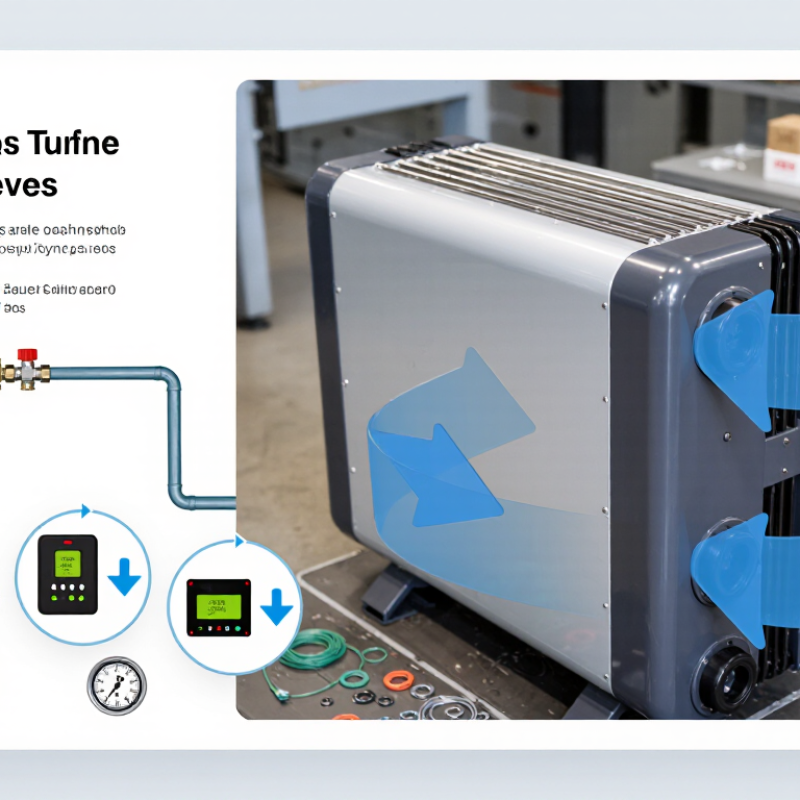
A compressed air heater warms pressurized air to a controlled temperature for drying, process heating, or equipment protection. It is usually installed in-line, downstream of a compressor or air treatment equipment. A typical unit contains a pressure-rated housing, heating elements or a heat exchanger, temperature sensors, a controller, and over-temperature protection. Small details matter. Poor sensor placement can cause uneven outlet temperatures.
The U.S. Department of Energy’s Improving Compressed Air System Performance: A Sourcebook for Industry estimates that compressed air systems use about 10% of U.S. industrial electricity. That figure describes the whole system, not heater consumption, but it shows why operating efficiency deserves attention. Direct electric heaters transfer heat from elements to flowing air. Indirect designs use steam, hot water, or thermal fluid across a heat exchanger. The right method depends on required outlet temperature, air flow, pressure, and available utilities.
Sizing by wattage alone is a common mistake. Engineers should check inlet temperature, peak flow, pressure drop, and the temperature limits of downstream seals and hoses. For example, a line serving a steady process may need less control complexity than one with frequent flow changes. Still, real operating conditions can be messy. A calculated setpoint may not match temperature at the point of use, so commissioning measurements are worth the effort.
What Is a Compressed Air Heater? Core Components and Heating Methods
A compressed air heater raises the temperature of air flowing through a heated passage. Common components include heating elements or a heat-transfer surface, an insulated pressure-rated flow passage, a temperature sensor, a controller, and over-temperature protection. Heating methods include direct electric resistance and indirect heating using steam or hot water. The chart shows an idealized temperature rise for a 6 kW heater, calculated using air density of 1.2 kg/m³ and specific heat capacity of 1.005 kJ/(kg·K); actual results vary with inlet conditions and heat losses.
Where Is It Used? DOE Estimates Compressed Air Uses 10% of U.S. Manufacturing Electricity
China Best Compressed Air Heater Manufacturer?
Where Is It Used? DOE Estimates Compressed Air Uses 10% of U.S. Manufacturing Electricity
Compressed air powers tools, actuators, packaging lines, and material-handling equipment across factories. The U.S. Department of Energy estimates that compressed air uses about 10% of manufacturing electricity. That is substantial. Leaks, excessive pressure, and poor system control can waste energy before air reaches a machine.
Compressed air heaters serve more specific needs. They can warm air before drying, support temperature-sensitive processes, or help prevent cold air from disrupting equipment. For example, a production line may need warmed air to dry a moving product without slowing the belt. A heater does not remove moisture, though; drying equipment still matters. I have seen temperature adjustments treated as a cure-all, and that is a mistake worth questioning.
Choosing a heater means checking airflow, inlet temperature, pressure, and the required outlet temperature. Operators should also consider insulation and monitor energy use under real production conditions. A small temperature change can affect both process quality and operating costs. Measure before changing settings. The best installation fits the process, not just the equipment specification.
How Is Heater Capacity Calculated? Q̇ = ṁcpΔT; Air cp ≈ 1.0 kJ/kg·K
Compressed-air heater capacity starts with the heat balance:
Q̇ = ṁcpΔT
Here, ṁ is air mass flow in kilograms per second, cp is specific heat, and ΔT is the required temperature rise. For many practical estimates, dry-air cp is about 1.0 kJ/kg·K. Check the units carefully. A mismatch between mass flow and a volume-flow reading can distort the result.
For example, heating 0.5 kg/s of air by 40 K requires about 20 kW: 0.5 × 1.0 × 40 = 20 kJ/s.
That is the ideal heating duty, not necessarily the heater’s full rated capacity. Heat loss, inlet temperature, pressure, moisture, and airflow variation can change the selection. Real installations are less tidy. A useful supplier should explain which flow conditions and design margins they used, then show how the element rating matches the calculation. It is worth checking the assumptions twice; a neat equation cannot repair unreliable operating data.
Which Air Quality Classes Apply? ISO 8573-1:2010 Compressed-Air Purity Standards
ISO 8573-1:2010 classifies compressed-air purity by particles, water, and total oil. Its three-part code lists these classes in that order, such as 2:4:1. The standard’s particle Class 1 limits include no more than 20,000 particles per cubic metre from 0.1 to 0.5 micrometres. Water Class 2 requires a pressure dew point at or below −40°C. Oil Class 1 allows no more than 0.01 mg/m³ of total oil. These figures come from the ISO 8573-1:2010 classification tables.
Choose each class for the point of use, not simply the compressor room. Instrument air, coating lines, and food-contact processes may need different limits. An air heater can raise air temperature, but heating alone does not remove water vapour or lower its pressure dew point. In practice, teams sometimes mistake warmer air for drier air. That assumption needs checking with suitable measurements. A supplier’s claim is not a substitute for a documented test result.
Tips: Specify the required particle, water, and oil classes separately. Ask for sampling conditions and measurement methods. Check dew point after drying, and again at the point of use.
How to Compare Chinese Manufacturers? Check Pressure Ratings, Flow Data, and ISO 9001
China Best Compressed Air Heater Manufacturer?
How to Compare Chinese Manufacturers? Check Pressure Ratings, Flow Data, and ISO 9001
A heater’s pressure rating should match the system’s maximum working pressure, not just its usual operating level. Check whether the stated rating applies at the specified temperature. Ask for the test method and supporting documents. Numbers need context. A polished specification sheet can still omit details that matter during installation.
Compare flow data under clearly stated conditions, including inlet temperature, pressure, and air flow rate. These values affect outlet temperature and pressure drop. Ask whether the figures come from testing or calculations, and request a performance curve when available. A heater sized from an unexplained flow number may not perform as expected. Small omissions can cause real delays.
ISO 9001 certification can indicate a documented quality management system, but it does not prove that every heater meets your application needs. Confirm that the certificate is current and covers the relevant manufacturing site and activities. Then review inspection records, material traceability, and final test reports. I would not rely on one certificate alone; it is useful evidence, not a substitute for technical verification.