Why Choose a Heat Pump for Your Home Heating and Cooling Needs?
In today's quest for efficient home heating and cooling, a Heat Pump stands out as a compelling choice. Renowned industry expert, Dr. Sarah Thompson, states, “Heat Pumps offer a sustainable solution for homeowners seeking comfort and efficiency.” This highlights the growing interest in Heat Pumps among eco-conscious consumers.
Heat Pumps work by transferring heat rather than generating it. This fundamental difference allows them to use less energy than traditional systems. For instance, during winter, a Heat Pump extracts heat from the outside air and transfers it indoors. Many find this concept intriguing and puzzling. Is it really reliable in colder climates? It's an area of ongoing discussion.
Innovation in technology has made Heat Pumps more effective than ever. However, potential users may hesitate. The upfront cost can seem daunting. Additionally, some older homes may face installation challenges. It's crucial to weigh these factors carefully. Embracing a Heat Pump can be a significant step towards sustainability. But it requires thoughtful consideration of individual circumstances.

Understanding Heat Pumps: The Basics of Operation and Function
Heat pumps function by transferring heat rather than generating it. In winter, they extract warmth from the outside air, even when temperatures are low. In summer, the process reverses, providing cool air by removing heat from indoors. According to the U.S. Department of Energy, heat pumps can reduce energy consumption by 30-40% compared to conventional heating systems.
Not all homes are ideal for heat pumps. Older residences with insufficient insulation may struggle to maximize efficiency. A poorly maintained heat pump can lead to increased energy costs. Statistics show that nearly 20% of energy used in heating can be wasted due to improper installation or age. Regular maintenance is crucial in ensuring effective operation and prolonging the lifespan of the unit.
The economic aspect shouldn’t be overlooked. Initial installation costs can be higher than traditional heating systems. However, long-term savings on energy bills can justify the expense. Some homeowners might feel overwhelmed by the technology involved. It's important to educate oneself on how these systems work. Understanding can lead to better decision-making for home heating and cooling needs.
Why Choose a Heat Pump for Your Home Heating and Cooling Needs?
| Feature |
Description |
Benefits |
| Energy Efficiency |
Heat pumps transfer heat instead of generating it, resulting in lower energy consumption. |
Reduced utility bills and lower carbon footprint. |
| Versatility |
Heat pumps can provide both heating and cooling, making them suitable for year-round comfort. |
One system for all seasons, simplifying installation and maintenance. |
| Environmental Impact |
Uses renewable heat from the air or ground, making it eco-friendly. |
Contributes to lower greenhouse gas emissions. |
| Low Operating Noise |
Modern heat pumps operate quietly compared to traditional HVAC systems. |
Enhanced comfort without disruptive noise. |
| Long Lifespan |
With proper maintenance, heat pumps can last 15 years or more. |
Less frequent replacements, saving money over time. |
Comparing Heat Pumps with Traditional Heating and Cooling Systems
When comparing heat pumps to traditional heating and cooling systems, several factors emerge. Heat pumps are often more energy-efficient. According to the U.S. Department of Energy, they can reduce energy consumption by 30-40% compared to electric resistance heating. This efficiency translates to lower utility bills. Many homeowners report savings that can exceed $500 annually.
On the other hand, traditional systems, like gas furnaces, can work well in harsh winters. However, they may struggle to provide cooling during scorching summers. Heat pumps have the versatility to both heat and cool spaces. A report by the International Energy Agency highlights that heat pumps have the potential to meet approximately 50% of residential heating demand in the coming decades. Yet, they might not perform well in extremely low temperatures, raising questions about reliability.
Other considerations include installation costs and maintenance. Heat pumps are often pricier upfront. Some homeowners might hesitate due to this initial investment. Yet, factoring in long-term savings and energy efficiency can outweigh the drawbacks. Each choice comes with pros and cons, urging a careful evaluation based on personal needs and local climate. The decision isn't black-and-white and may require some experimentation.
Energy Efficiency: How Heat Pumps Reduce Energy Consumption
Heat pumps are gaining popularity for their exceptional energy efficiency. According to the U.S. Department of Energy, heat pumps can reduce energy consumption by 30% to 60% compared to traditional heating systems. This significant decrease is due to their ability to transfer heat rather than generate it. For homes in moderate climates, heat pumps provide an impressive option for both heating and cooling.
A heat pump operates efficiently year-round. It extracts warmth from the air, ground, or water, depending on the type. In winter, it brings heat indoors; in summer, it acts as an air conditioner. The potential for energy savings is notable. For instance, the Environmental Protection Agency estimates that energy-efficient heat pumps can save homeowners about $1,000 annually on utility bills. This figure can change based on usage and local energy rates, but the savings are commendable.
Despite the benefits, heat pumps are not perfect. They struggle in extreme cold climates, leading to decreased efficiency. Some models require supplemental heating, which can offset energy savings. Additionally, installation costs can be higher than traditional systems, causing hesitation for some homeowners. A thorough evaluation of local climates and energy needs is crucial before making a decision.
Energy Efficiency Comparison: Heat Pumps vs. Traditional Heating Systems
This chart illustrates the average annual energy consumption of different heating systems, highlighting the energy efficiency benefits of heat pumps compared to traditional gas, electric, and oil heating systems.
Benefits of Installing a Heat Pump in Your Home
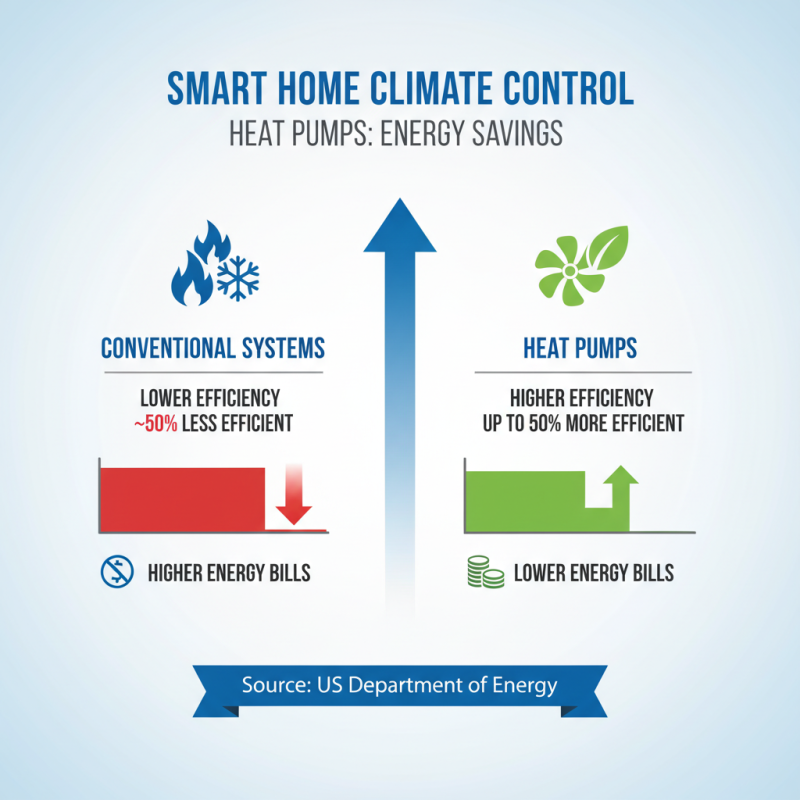
When considering home heating and cooling, a heat pump stands out. According to the U.S. Department of Energy, heat pumps can be up to 50% more energy efficient than conventional heating systems. This efficiency translates into lower energy bills, a significant factor for many homeowners.
Beyond energy savings, heat pumps offer consistent comfort. They work by transferring heat rather than generating it. This method allows for both heating in winter and cooling in summer. A report from the International Energy Agency highlights that heat pumps can reduce carbon emissions significantly. They make renewable energy sources more effective in residential settings.
Yet, the upfront cost of heat pump installation can be daunting. Homeowners must also consider their local climate. Some areas may not experience the full benefits of heat pumps. In colder climates, a backup heating system may be necessary. This can lead to additional expenses. While heat pumps are efficient, they require careful consideration before installation.
Maintenance and Longevity: Ensuring Your Heat Pump Performs Well
Heat pumps are an efficient solution for home heating and cooling. However, their performance relies heavily on proper maintenance. According to the U.S. Department of Energy, regular upkeep can enhance a heat pump's efficiency by up to 25%. Neglecting this can lead to higher energy costs and decreased comfort.
Many homeowners overlook simple tasks. For instance, cleaning or replacing air filters every month can maintain airflow and efficiency. It’s also important to keep the outdoor unit free of debris, such as leaves and dirt, which can hinder performance. A clean system is a happy system.
Ensure your heat pump undergoes professional servicing at least once a year. This can uncover potential issues early, avoiding costly repairs later. A well-maintained heat pump can last 15 years or more, but neglect can cut its lifespan significantly. Keeping records of maintenance can also help you monitor performance trends. Remember, a small effort can yield big rewards.