Why Choose a Solar Heat Pump for Your Home Energy Needs?
In the quest for energy efficiency, many homeowners are exploring innovative solutions. A Solar Heat Pump stands out among them. According to energy expert Dr. Jane Smith, "Solar Heat Pumps provide a sustainable solution for heating and cooling." This technology harnesses solar energy, reducing reliance on conventional heating methods.
Solar Heat Pumps capture heat from the air or ground. They then transfer this heat to warm homes during winter or cool them in summer. This dual functionality offers flexibility, essential for various climates. Some may worry about initial costs, yet savings on energy bills often justify the investment.
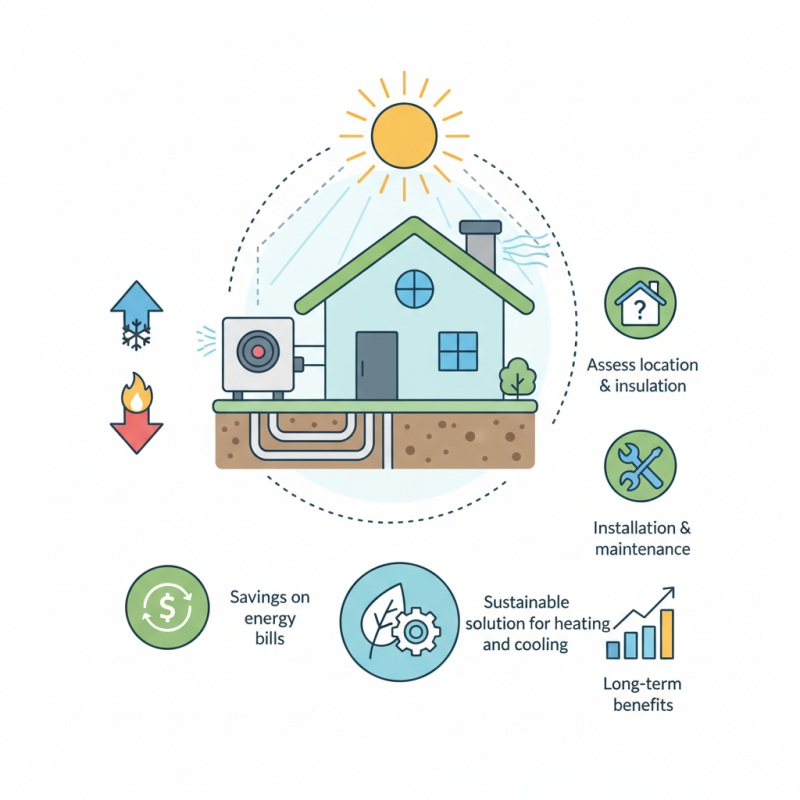
However, installation and maintenance can pose challenges. Homeowners must choose the right system size and type. Not every home is suitable for Solar Heat Pumps. Assessing location and insulation is crucial. Despite these hurdles, the long-term benefits are hard to ignore. Embracing a Solar Heat Pump can lead you toward a greener future.
Benefits of Solar Heat Pumps for Home Energy Efficiency
When considering energy efficiency for your home, solar heat pumps stand out. They harness sunlight to provide heating and cooling, reducing reliance on traditional energy sources. This dual functionality can lead to significant savings on utility bills. Depending on your location, a solar heat pump can help cut energy costs by up to 50%.
By utilizing renewable energy, solar heat pumps contribute to a smaller carbon footprint. Homeowners can feel good knowing they are part of the solution to climate change. Additionally, many systems allow for easy temperature control, enhancing comfort with minimal effort. It’s crucial to note that installation costs can be high. Some may hesitate to invest without understanding long-term benefits.
Maintenance is another consideration. While generally low, neglecting routine checks can lead to inefficiencies. Homeowners should regularly monitor the system’s performance. Regular assessments are vital to ensure optimal operation. Making informed choices about solar heat pumps requires careful thought, but the potential for energy efficiency is promising.
How Solar Heat Pumps Work to Generate Sustainable Energy
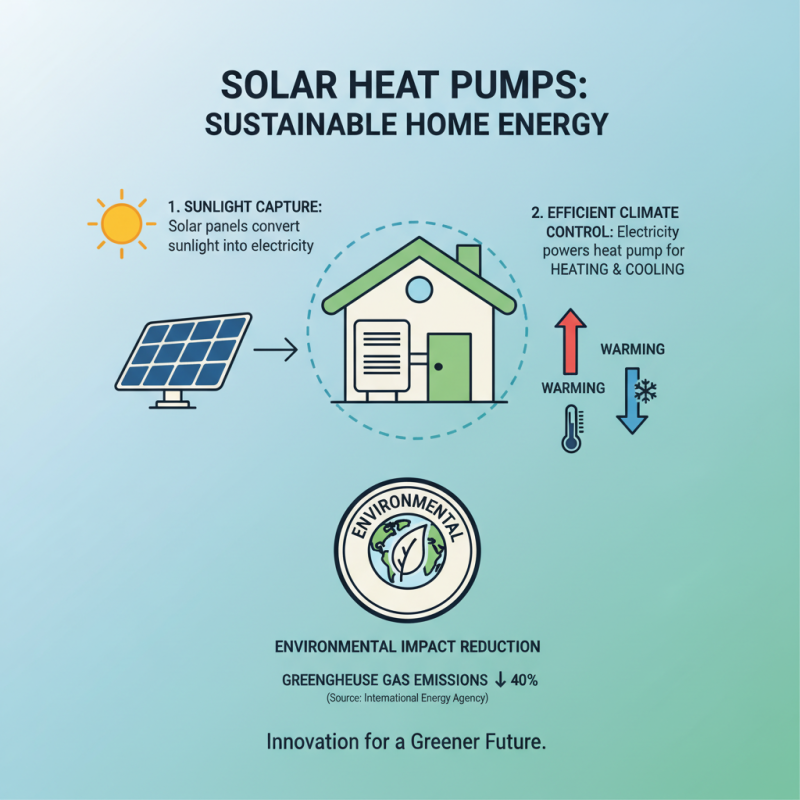
Solar heat pumps are an innovative solution for sustainable energy needs in homes. They utilize solar panels to capture sunlight, which is then converted into electricity. This electricity powers a heat pump that efficiently warms or cools your living space. According to the International Energy Agency (IEA), using solar heat pumps can reduce greenhouse gas emissions by 40% compared to traditional heating methods.
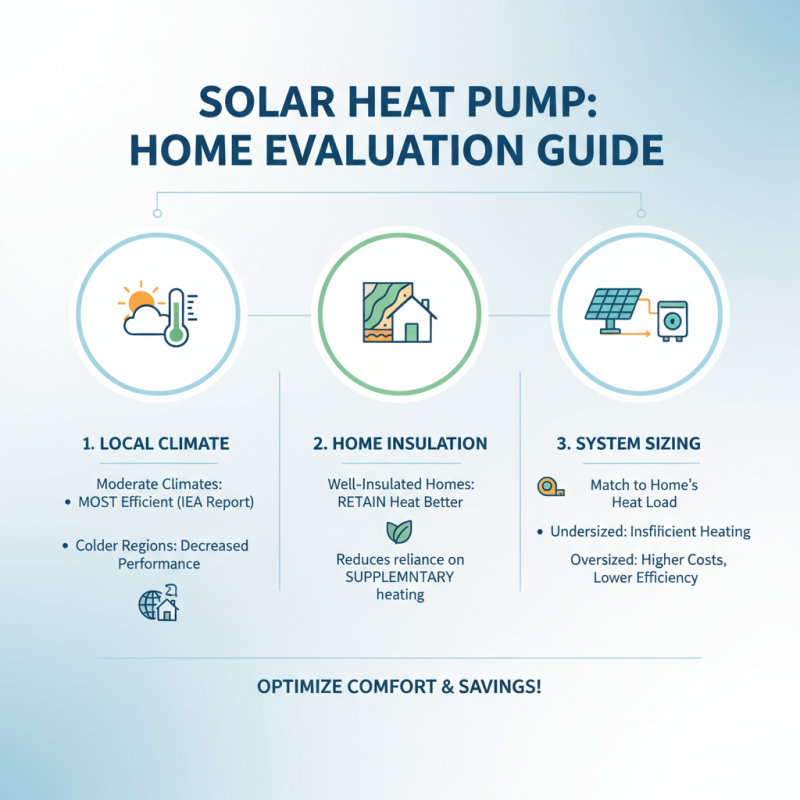
Tips: Ensure your home is energy-efficient before installing a solar heat pump. Proper insulation and energy audits can enhance performance.
The process sounds simple, but some homeowners may feel overwhelmed. Installation can be complex, and regions with less sunlight may experience reduced efficiency. Despite these challenges, the overall benefits are profound. The U.S. Department of Energy reports that homeowners can save up to 50% on energy bills compared to conventional heating systems.
Tips: Consider consulting a professional to assess your home’s suitability for a solar heat pump. Understanding your local climate is crucial.
These systems require maintenance, and costs can vary. Many users report learning curves in optimizing their heat pumps. Success often relies on understanding usage patterns and ensuring timely maintenance. While solar heat pumps offer significant savings, they might not be for everyone. Each home's needs should be carefully evaluated.
Cost-Effectiveness of Solar Heat Pumps Compared to Traditional Systems
Solar heat pumps are becoming a popular choice for homeowners. They harness sunlight to generate energy, which can then be used for heating and cooling. This method is quite cost-effective in the long run. Traditional systems can have high installation and operational costs. They rely heavily on conventional energy sources, which often fluctuate in price.
Initial costs for solar heat pumps can be higher. However, they pay off over time. Maintenance costs are typically lower because they have fewer moving parts. You might be surprised by how quickly energy bills can drop with a solar heat pump. Many people notice substantial savings after one year of use. Despite this, some homeowners hesitate due to upfront expenses.
There is also the issue of efficiency. Not all solar heat pumps work the same in every climate. Variability in sunlight can impact performance. It's important to consider local weather conditions. Some may find that their system underperforms during winter months. This can lead to unexpected costs. It's crucial to weigh these factors against long-term savings. The right decision requires careful evaluation.
Cost-Effectiveness of Solar Heat Pumps Compared to Traditional Systems
The above chart compares the annual operating costs of different heating systems. As shown, the Solar Heat Pump offers a significantly lower cost compared to traditional electric heaters and gas boilers, highlighting its cost-effectiveness for home energy needs.
Environmental Impact of Switching to Solar Heat Pumps
Switching to solar heat pumps can significantly reduce your home's carbon footprint. According to the U.S. Department of Energy, switching to solar heating can cut greenhouse gas emissions by up to 80%. This is a remarkable step towards combating climate change. The energy used by traditional heating systems often relies on fossil fuels, contributing to air pollution.
Solar heat pumps harness renewable energy from the sun. They operate efficiently, even in cold climates. They can reduce energy costs significantly. Studies indicate that households using solar heat pumps can save around 40% on their energy bills annually. Despite initial installation costs, these systems offer long-term economic and environmental benefits.
Adopting solar technology is not without its challenges. Some homeowners express concerns about efficiency during cloudy days. Others worry about the aesthetics of solar panels. These issues merit consideration and a deeper understanding. It is crucial to address these concerns to encourage broader adoption of solar heat pumps. The transition needs careful planning and awareness of local climate conditions.
Why Choose a Solar Heat Pump for Your Home Energy Needs? - Environmental Impact of Switching to Solar Heat Pumps
| Feature |
Solar Heat Pump |
Conventional Heating System |
| Energy Efficiency |
Up to 300% efficiency |
70-90% efficiency |
| CO2 Emissions |
Significantly Reduced |
High Emissions |
| Operating Costs |
Lower long-term |
Higher long-term |
| Installation Costs |
Higher upfront |
Lower upfront |
| Lifespan |
15-25 years |
10-20 years |
| Environmental Impact |
Positive |
Negative |
| Government Incentives |
Available |
Rare |
Key Considerations for Installing a Solar Heat Pump in Your Home
When considering a solar heat pump for your home, it's essential to evaluate several key factors. First, assess your local climate. A recent report by the International Energy Agency states that solar heat pumps are most efficient in moderate climates. In colder regions, their performance might decrease significantly. Understanding your environment helps gauge expected efficiency.
Installation costs are another critical point. On average, homeowners can expect to invest between $15,000 and $25,000. While this may seem high, the U.S. Department of Energy notes that households can save up to 50% on energy bills over time. Additionally, check for local incentives or rebates that can ease initial expenses.
Beyond financial aspects, think about space requirements. Solar heat pumps need adequate roof area for solar panels. Be sure to evaluate the structural condition of your roof. A compromised roof may incur unexpected repair costs. Reflect on these considerations before making your decision. Proper research will enhance your overall satisfaction with this energy-efficient solution.