How to Choose the Best Instant Electric Water Heater?
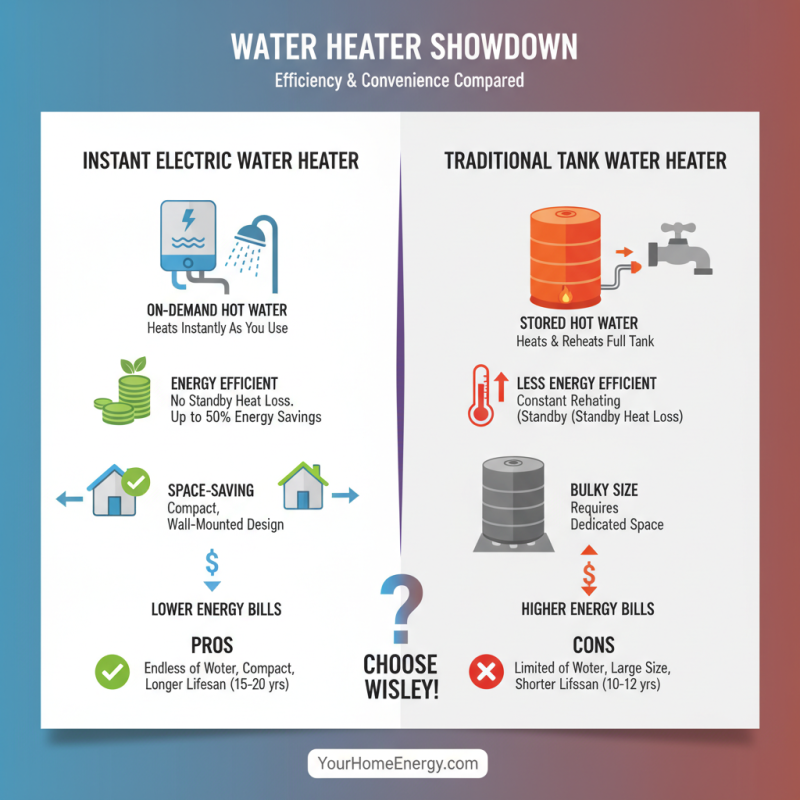
Choosing the right instant electric water heater can be overwhelming. With so many options, how do you pick the best one? Instant electric water heaters offer convenience and efficiency. They provide hot water on demand, which saves energy and reduces costs.
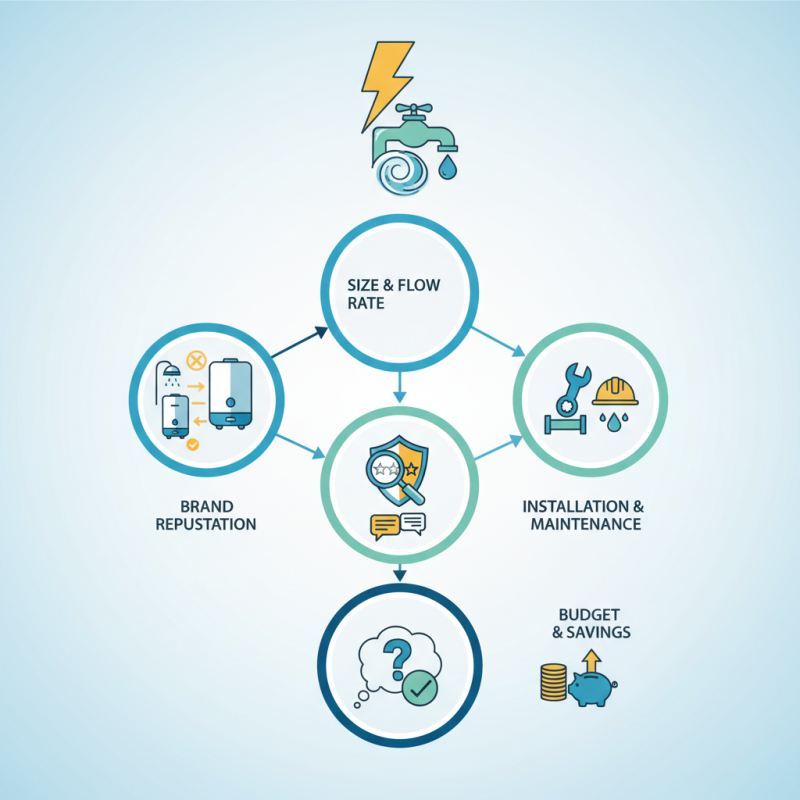
When selecting a water heater, consider size and flow rate. A unit that is too small may not meet your needs. On the other hand, a larger unit could waste energy. Research the brand's reputation and customer reviews. Some products might look good on paper but fail in practice.
Don’t overlook installation and maintenance. Professional help may be required, adding to the overall cost. Evaluate your budget carefully, but remember that sometimes, a higher priced unit offers better long-term savings. This process can feel daunting, but being informed benefits you greatly. Pay attention to details and make a choice that suits your lifestyle.
Understanding the Basics of Instant Electric Water Heaters
Instant electric water heaters are becoming increasingly popular. They heat water on-demand, offering convenience and energy efficiency. Unlike traditional heaters, which store hot water, instant models heat water directly as it flows through the unit. This can save space and reduce energy bills.
Understanding how these heaters work is crucial. They typically use powerful electric coils to heat the water quickly. However, the performance can vary based on several factors, such as the flow rate and incoming water temperature. An undersized unit may struggle to supply enough hot water during peak usage times. You might find that the heating capacity is not sufficient for larger households.
Installation can also be tricky. It’s vital to assess your home's electrical capacity. Some systems require special wiring or circuit breakers. If these considerations are overlooked, you might end up facing operational issues. Choosing the right model demands careful thought, as a one-size-fits-all approach does not apply. Evaluating your specific needs will lead to better decision-making.
Key Features to Consider When Selecting an Instant Electric Water Heater
When selecting an instant electric water heater, key features deserve attention. The size and capacity of the unit are crucial. Consider how many people will use it. This helps determine the flow rate needed. A unit that delivers consistent hot water for multiple taps is ideal.
Energy efficiency is another important factor. Look for models that save on electricity. These units may have higher upfront costs. However, they can lead to savings over time. Also, check the installation requirements. Some units need special wiring or plumbing setups. This adds to the overall expense and installation time.
Remember to evaluate safety features. An automatic shut-off function is vital to prevent overheating. Some heaters offer anti-scald technology. This helps protect users from burns. Choosing a model without these features could pose risks. Reflect on your specific water needs before making a decision. Each detail matters for optimal performance and safety.
Evaluating Energy Efficiency Ratings for Instant Water Heaters
Choosing an instant electric water heater requires attention to energy efficiency ratings. These ratings help consumers understand how much energy the unit will use. A higher rating typically means lower energy bills. But it’s essential to consider how the efficiency translates to daily use.
Some units may have high ratings but aren't suitable for all households. Factors like size and water demand matter. For instance, small apartments may prioritize quick heating times over size. Conversely, larger homes have different needs, often requiring significant capacity.
Real-life experiences show that some models may not perform as expected. User feedback often highlights issues with initial heating or inconsistent temperatures. It’s wise to research and compare various options. Understanding the connection between energy efficiency and actual performance can help prevent buyer's remorse later. Remember to reflect on your unique needs before making a choice.
Comparing Brand Reliability and Customer Reviews of Water Heaters
When choosing an instant electric water heater, brand reliability matters. Reliable brands often stand the test of time. They offer consistent performance and quality. However, not every well-known name meets expectations. Some brands may have good marketing but can disappoint in real use. Researching customer reviews is essential.
Customer feedback reveals much about product performance. Some users report issues with heating speed or energy efficiency. Others complain about the lifespan of their units. These insights can guide your choice. Look for reviews from real users with similar needs. Pay attention to the number of positive and negative reviews. A product with mixed feedback may warrant further investigation.
It's useful to compare different models. Some heaters may fail under high demand while others excel. Reviews can highlight your options. Perceived reliability can vary among users. Personal experiences shape opinions. Ensure that your heating needs align with the heater's capabilities. Balancing reliability and user feedback is key to making the right choice.
How to Choose the Best Instant Electric Water Heater? - Comparing Brand Reliability and Customer Reviews of Water Heaters
| Model |
Power Rating (kW) |
Flow Rate (L/min) |
Customer Rating (out of 5) |
Warranty (Years) |
| Model A |
3.5 |
3.5 |
4.5 |
2 |
| Model B |
8.0 |
6.0 |
4.8 |
3 |
| Model C |
4.5 |
4.0 |
4.0 |
1 |
| Model D |
6.5 |
5.5 |
4.7 |
2 |
Assessing Installation Requirements and Costs for Electric Water Heaters
Installing an instant electric water heater can seem daunting. Understanding the requirements is key to a successful setup. Most importantly, consider the power supply. Ensure your home has adequate electrical capacity to handle the new unit. The heater will require a dedicated circuit, often a 20 to 30 amp breaker.
Next, think about the location. The heater should be close to the point of use, like a sink or shower. This reduces heat loss during water travel. However, space constraints may challenge heater placement. Measuring the area beforehand is crucial. Also, check for local plumbing codes. These regulations vary and can affect installation.
Costs can fluctuate based on installation complexity. While the heater itself may be affordable, wiring and plumbing may add expenses. Don’t forget to factor in labor costs if hiring professionals. Think about potential hidden costs. Investigating these details will help in budget planning. Installing an instant electric water heater is possible but often comes with surprises. Keeping a flexible mindset can ease the process.