How to Choose the Best Solar Heat Pump for Your Home in 2026?
When it comes to energy efficiency, a Solar Heat Pump is a wise choice for homeowners. In 2026, the technology continues to evolve. This advancement brings new options. Choosing the right system can be challenging.
Many factors will influence your decision. Consider the size, efficiency, and installation. What works for one home may not suit another. It is essential to understand your heating and cooling needs. Consulting with experts helps ensure you make informed choices.
Some homeowners may feel overwhelmed by the options. There is no one-size-fits-all solution. Research is vital. Look for reviews and seek credible recommendations. Experts emphasize the importance of understanding both benefits and potential drawbacks of each system. A thoughtful approach will help in finding the ideal Solar Heat Pump for your home.
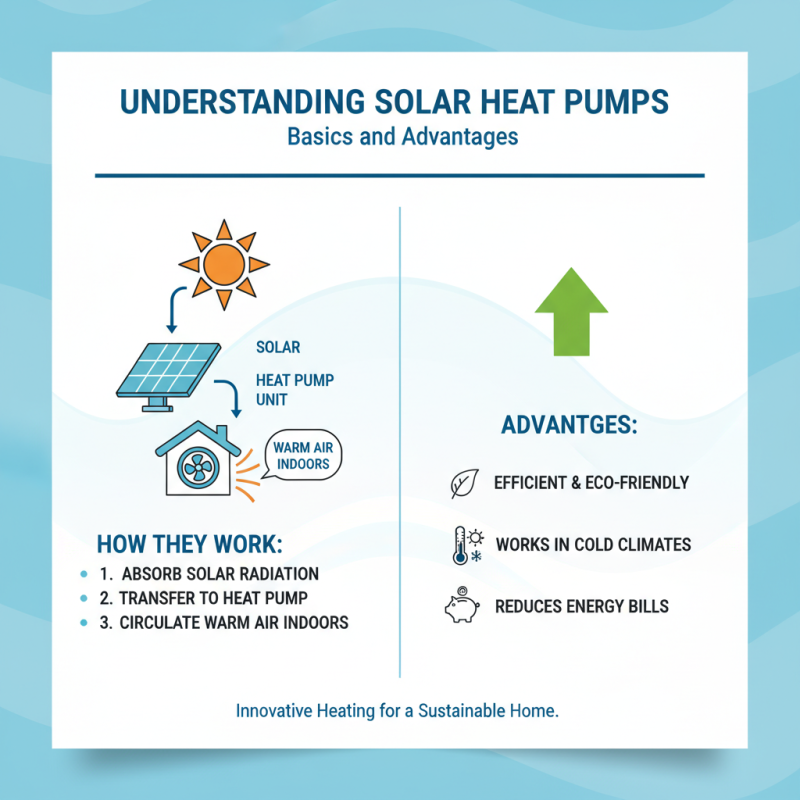
Understanding Solar Heat Pumps: Basics and Advantages
Solar heat pumps are innovative systems that harness solar energy to heat your home. Understanding how they work is crucial for effective use. These systems absorb solar radiation, transferring it to a heat pump that circulates warm air indoors. They operate efficiently, even in colder temperatures, making them versatile for varying climates.
The advantages of solar heat pumps are significant. They reduce energy bills and minimize carbon footprints. These systems can be combined with existing heating sources, enhancing reliability. However, installation can be complex. Proper placement and orientation to maximize sun exposure are essential. Homeowners should consider local regulations and potential installation challenges.
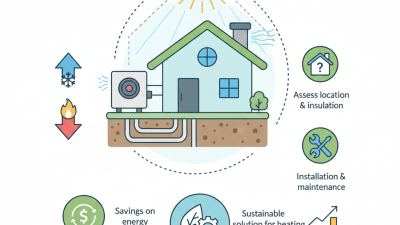
While solar heat pumps offer many benefits, they may not be suitable for every situation. Evaluating your home's insulation and energy needs is vital. Additionally, understanding the cost implications and potential maintenance requirements is important. Achieving optimal performance might take time and expertise. Always seek advice from knowledgeable professionals to make informed decisions.
Key Factors to Consider When Selecting a Solar Heat Pump
When considering a solar heat pump for your home, several key factors demand attention. Efficiency is crucial; look for products with a high Coefficient of Performance (COP). Reports by the International Energy Agency show that systems with a COP greater than 4 are more cost-effective over time. Regions with ample sunlight benefit from solar heat pumps, as they harness solar energy effectively during peak hours.
While efficiency ranks high, installation and maintenance costs also play significant roles. Ensure certified professionals handle installation. Improper installation can lead to inefficiency and premature system failure. Research indicates that homes with poorly installed systems can lose up to 30% in efficiency.
Tip: Opt for models with smart technology features. These allow users to monitor and optimize energy use remotely, reducing potential resource waste. Pay attention to the warranty and support services offered. A lack of local support can lead to problems in maintenance.
The size and capacity of the solar heat pump must align with your home’s requirements. Oversized systems can cause short cycling, shortening their lifespan. Ultimately, consider your area’s climate and energy needs. Balancing these factors will lead to more informed decisions.
Evaluating Energy Efficiency Ratings and Performance Metrics
When selecting a solar heat pump for your home, energy efficiency ratings are crucial. Look for systems with high Seasonal Energy Efficiency Ratio (SEER) and Heating Seasonal Performance Factor (HSPF) ratings. Higher ratings indicate better performance and lower energy consumption. A well-rated model not only saves on utility bills but also contributes to a more sustainable environment.
Tips: Check government and independent sources for efficiency ratings. This data can offer insights into the reliability of different models. It’s essential to assess how historical data aligns with current standards. What works today may not apply well in a few years.
Performance metrics also play a vital role. Focus on metrics like airflow and temperature rise. Consider how these metrics fit your climate. A heat pump might perform well in one area but struggle elsewhere. Evaluate the specific needs of your home. A tailored approach often yields the best results.
Tips: Consult with local experts. They can assess your home’s unique requirements. Don’t rely solely on manufacturer claims; seek real-world user experiences. This perspective can help avoid common pitfalls seen in heat pump installations.
Energy Efficiency Ratings of Solar Heat Pumps in 2026
Sizing Your System: How to Determine the Right Capacity for Your Home
Choosing the right capacity for your solar heat pump is crucial. A system that is too small won't meet your heating needs. Conversely, an oversized unit may lead to inefficiency and higher energy bills. Calculating the right size involves understanding your home’s square footage, insulation quality, and climate.
To get an accurate size for your system, consider your local weather patterns. A well-insulated home in a mild climate requires less capacity than a drafty house in a colder region. Use online calculators to estimate your needs based on these factors.
**Tips**: Keep track of your energy usage. If you know your monthly heating bills, it can help refine your calculations. Additionally, consult professionals for an energy audit. They can provide insights into your home’s unique needs.
Understanding the specifications of the heat pump you desire is vital. Different models come with varying capacities. Make sure to compare these features carefully. Planning for the future is also important; if you anticipate renovations, factor them into your decision.
How to Choose the Best Solar Heat Pump for Your Home in 2026? - Sizing Your System: How to Determine the Right Capacity for Your Home
| Home Size (sq ft) |
Heat Pump Capacity (BTUs) |
Estimated Energy Efficiency Ratio (EER) |
Estimated Cost ($) |
Rebate Eligibility |
| 1,000 |
24,000 |
16 |
4,500 |
Yes |
| 1,500 |
36,000 |
18 |
6,000 |
Yes |
| 2,000 |
48,000 |
20 |
8,500 |
Possible |
| 2,500 |
60,000 |
22 |
10,000 |
Yes |
Installation and Maintenance: Essential Tips for Long-term Performance
Installing a solar heat pump can significantly reduce energy costs. However, proper installation is key to ensuring long-term performance. According to the U.S. Department of Energy, a well-installed heat pump can achieve efficiency ratings of up to 300%. This means for every unit of electricity consumed, it can provide three units of heating. In contrast, poor installation often leads to reduced efficiency and higher operational costs.
Regular maintenance is crucial to maintaining performance. Experts recommend having a professional check the system at least once a year. This includes cleaning the filters and checking for leaks. The Energy Efficiency and Renewable Energy (EERE) program states that neglecting routine maintenance can decrease efficiency by 5% each year. Small issues can lead to larger problems if addressed too late. A proactive maintenance schedule can extend the life of your pump.
Monitoring energy usage can help you identify issues early. If you notice a sudden spike in your energy bills, check your system. Data from the Renewable Energy Industry Association shows that early repairs can save homeowners up to 30% in long-term costs. Remember, every detail matters. Even minor discrepancies can impact your solar heat pump's effectiveness.