How to Choose the Best Solar Heat Pump for Your Home Efficiency Needs
In the quest for greater energy efficiency and reduced utility bills, homeowners increasingly turn to advanced technologies, with the Solar Heat Pump standing out as a remarkable solution. According to Dr. Emily Carter, a leading expert in renewable energy, "Selecting the right Solar Heat Pump is crucial not only for comfort but also for maximizing energy savings and reducing our carbon footprint." This technology harnesses solar energy to heat and cool homes, thus providing an environmentally friendly alternative to traditional heating and cooling systems.
Choosing the best Solar Heat Pump requires careful consideration of various factors, including size, efficiency ratings, and climate compatibility. As the demand for sustainable energy solutions grows, understanding the intricacies of Solar Heat Pumps can empower homeowners to make informed decisions that align with their efficiency needs. With the right information and guidance, homeowners can take significant steps toward a greener future while enjoying the comfort that these innovative systems provide.

Understanding Solar Heat Pumps: How They Work and Their Benefits
Solar heat pumps are an innovative solution for homeowners seeking to improve their energy efficiency while reducing their carbon footprint. These systems function by harnessing energy from the sun to heat or cool spaces, utilizing an integrated heat pump technology. According to the Department of Energy, solar heat pumps can achieve a performance efficiency of up to 400%, meaning they can produce four units of thermal energy for every unit of electricity consumed. This remarkable efficiency not only translates into lower energy bills but also supports a more sustainable living approach.
The benefits of solar heat pumps extend beyond mere efficiency. They are versatile systems that can provide both heating and cooling, making them ideal for year-round comfort. A report by the International Renewable Energy Agency (IRENA) highlights that integrating solar heat pumps into residential heating systems can reduce greenhouse gas emissions by as much as 70% compared to conventional heating methods. Furthermore, these systems often qualify for various incentives and rebates, making them an economically attractive option for homeowners focused on long-term savings. By understanding how solar heat pumps work and leveraging their benefits, homeowners can make informed decisions to enhance their home efficiency and contribute positively to environmental conservation.
Key Factors to Consider When Selecting a Solar Heat Pump
When selecting a solar heat pump for your home, there are several key factors to consider to ensure optimal efficiency and performance. First and foremost is the climate in which you reside. According to the U.S. Department of Energy, the efficiency of heat pumps can vary significantly based on temperature fluctuations. In regions where temperatures frequently drop below freezing, it’s essential to choose a heat pump designed for colder climates, featuring advanced technologies that maintain efficiency even in low temperatures, such as variable-speed compressors.
Another critical factor is the size and capacity of the solar heat pump. The right capacity is crucial for maximizing efficiency; an oversized system can lead to increased energy consumption and inadequate heating or cooling in extreme weather. The Air-Conditioning, Heating, and Refrigeration Institute (AHRI) recommends performing a detailed load calculation to determine the heating and cooling demands of your home, factoring in its square footage, insulation quality, and window types. Furthermore, opting for a system with a high coefficient of performance (COP) can significantly enhance energy savings; systems with a COP above 4 are generally considered efficient and cost-effective.
Finally, the integration of solar energy should be evaluated. The potential for solar power generation can significantly impact the operating costs of the heat pump. The National Renewable Energy Laboratory (NREL) estimates that solar heat pump systems can reduce energy bills by up to 70% in sunny climates. Therefore, assessing your location's solar potential, considering roof orientation and shading, and understanding local energy incentives is paramount. By carefully weighing these factors, homeowners can select a solar heat pump that effectively addresses their efficiency needs while providing long-term savings and environmental benefits.
Evaluating Efficiency Ratings: COP and HSPF Explained
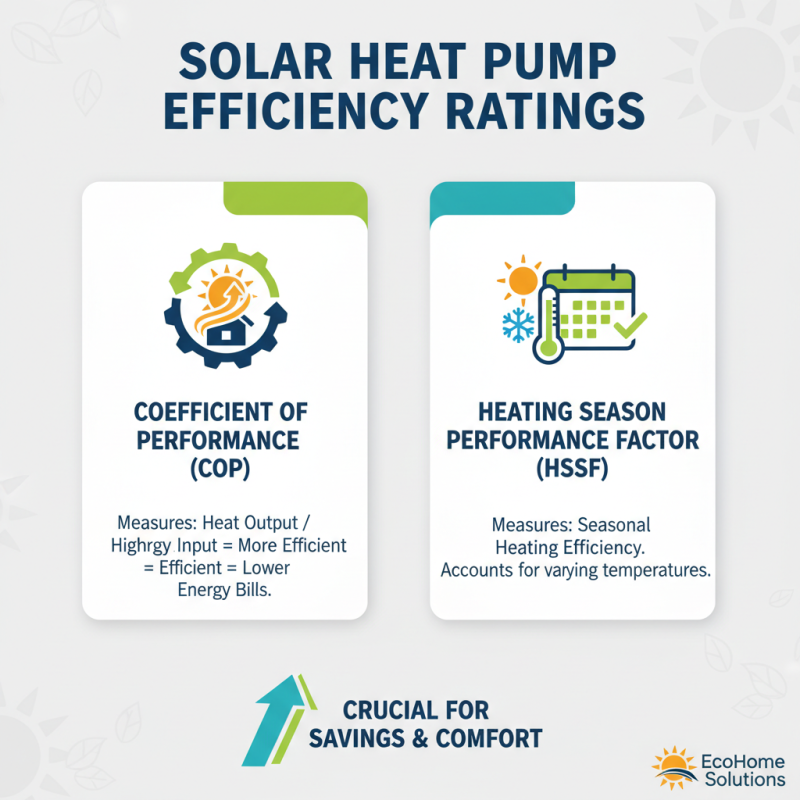
When selecting a solar heat pump for your home, understanding efficiency ratings is crucial. Two key metrics to consider are the Coefficient of Performance (COP) and the Heating Season Performance Factor (HSPF). The COP measures the heat output of the pump compared to the energy it consumes during a specific period. A higher COP indicates a more efficient unit, meaning you’ll spend less on energy bills while enjoying comfortable temperatures in your home.
HSPF, on the other hand, assesses the efficiency of the heat pump over an entire heating season. It takes into account the total heating output divided by the total energy consumed. A higher HSPF means better energy efficiency, signifying that the heat pump will provide more warmth for each unit of energy used. Evaluating both COP and HSPF will help you make an informed decision and ensure the solar heat pump you choose meets your efficiency needs effectively.
Tips for selecting the right solar heat pump include consulting energy consumption records for your home to understand your heating needs better, considering local climate conditions as they impact overall efficiency, and comparing multiple models to find one that balances high COP and HSPF ratings without compromising on the features that matter most to you. Additionally, seeking out professional assessments can provide valuable insights into the optimal system size for your specific situation.
Comparing Costs: Initial Investment vs. Long-Term Savings
When considering a solar heat pump for your home, the cost comparison between initial investment and long-term savings is crucial. Industry reports indicate that while the upfront cost of solar heat pumps can range between $10,000 and $30,000, these systems can lead to significant savings over time. According to the U.S. Department of Energy, homeowners can expect to save as much as 50% to 70% on their heating and cooling bills when utilizing solar heat pump technology.
Incorporating solar heat pumps can also increase the value of your property. A study published by the National Renewable Energy Laboratory revealed that homes equipped with energy-efficient systems, such as solar heat pumps, tend to have a resale value up to 17% higher than those without. Beyond the monetary aspect, solar heat pumps offer environmental benefits by reducing greenhouse gas emissions, aligning with growing sustainable living trends.
Ultimately, while the initial investment may seem daunting, the long-term savings and increased property value underscore the financial sense of integrating solar heat pump technology into residential energy systems.
Installation and Maintenance Considerations for Solar Heat Pumps
When considering the installation of a solar heat pump, understanding maintenance requirements is crucial for maximizing its efficiency and longevity. According to the U.S. Department of Energy, regular maintenance can help ensure that your solar heat pump operates at peak performance for up to 20 years. This includes routine inspections of the heat exchanger, checking refrigerant levels, and ensuring that the system's filters are clean. Poor maintenance can lead to reduced efficiency—up to 25% loss—indicating just how significant a role these tasks play in system performance.
Tips: Schedule bi-annual check-ups with a qualified technician to catch potential issues early. Additionally, keep the area around the heat pump clear of debris and vegetation to promote proper airflow and prevent overheating.
Installation is another critical factor impacting performance. Properly sizing your solar heat pump is essential, as an incorrectly specified unit can lead to inefficiencies and increased operational costs. The International Energy Agency highlights that correctly installed systems can reduce energy consumption by 30-50%. On top of that, integrating smart controls allows homeowners to optimize their energy usage, adapting to varying weather conditions and energy price fluctuations.
Tips: Ensure your installer is familiar with local climate conditions and building requirements. Research local incentives as some regions offer rebates for energy-efficient installations, helping offset initial costs.