How to Choose the Best Water Heatpump for Your Home?
Choosing the right Water Heatpump for your home is crucial. According to industry expert John Peterson, "Selecting a Water Heatpump can significantly reduce your energy costs." With rising energy prices, many homeowners seek efficient heating solutions.
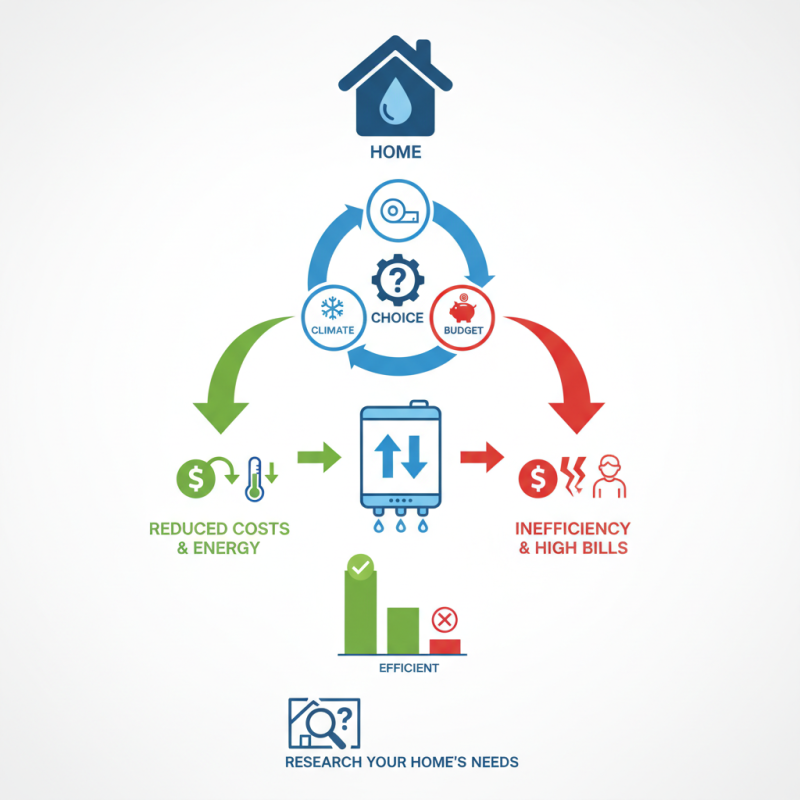
Water Heatpumps can provide both heating and cooling. They work by transferring heat rather than generating it, making them energy-efficient. However, not all systems are the same. Some may not fit your specific needs or climate, leading to potential inefficiencies.
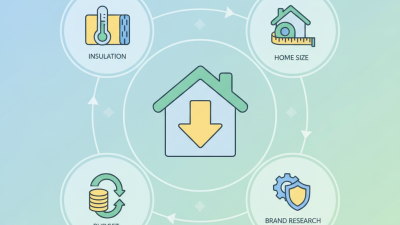
Consider factors like size, climate, and budget. A poorly chosen Water Heatpump can lead to high energy bills and inadequate comfort. It’s essential to evaluate your home's heating requirements thoroughly. Sometimes, the options can be overwhelming. Searching for the perfect system may be frustrating, yet understanding your unique situation is key.
Understanding Water Heat Pumps: Basics and Types
Water heat pumps are an efficient way to heat water. They use electricity to transfer heat instead of generating it. This process makes them more energy-efficient compared to traditional water heaters. There are two main types: air-source and ground-source. Air-source heat pumps extract heat from the air. Ground-source systems draw heat from the ground. Each type has its advantages and disadvantages.
Air-source systems are usually easier to install. They are also less expensive upfront. However, their efficiency can drop in very cold weather. Ground-source, or geothermal, systems can provide consistent heating. They require more space and a higher initial investment. Choosing between these types depends on your location and preferences.
Many factors influence the decision. Consider the climate where you live. An area's average temperature can affect performance. Installation costs and long-term energy savings are also important. Before making a choice, reflect on your specific needs. Evaluating these details can help avoid future regrets.
Water Heat Pump Efficiency Comparison
This chart compares the Annual Efficiency Ratio (AER) of different types of water heat pumps. Higher AER values indicate more efficient heating solutions for your home. Geothermal heat pumps tend to have the highest efficiency, followed by water source and air source heat pumps.
Evaluating Energy Efficiency Ratings for Water Heat Pumps
When selecting a water heat pump, energy efficiency ratings are crucial. These ratings indicate how efficiently a system converts energy into heat. Pay close attention to the coefficient of performance (COP) and energy efficiency ratio (EER). A higher COP means better efficiency. This translates to lower operating costs for your home.
Tips: Always compare efficiency ratings from multiple sources. Not all ratings are created equal. Check if the ratings are based on real-world performance or lab conditions. This distinction can significantly impact your expected savings on energy bills.
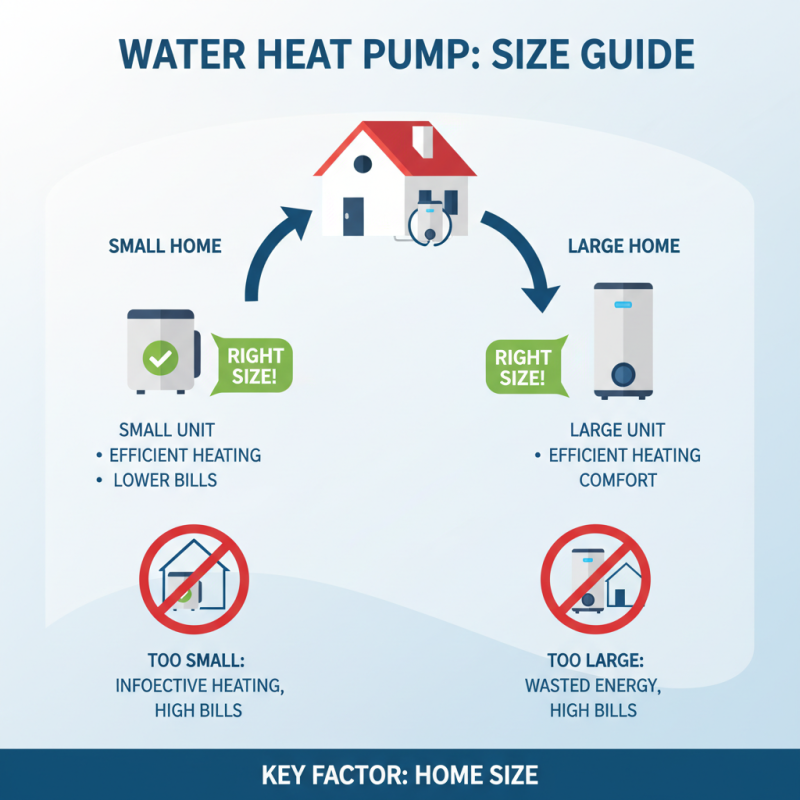
Consider the size of your home. A larger property may require a pump with a higher capacity. However, oversizing can lead to energy wastage. It's a delicate balance. You might end up with a costly system that doesn’t run efficiently.
Tips: Consult with a professional installer. They can assess your space and needs accurately. Their expertise is invaluable when choosing the right capacity and model for your specific home scenario. Be cautious of overly aggressive sales tactics. Focus on your long-term energy costs and comfort instead.
Sizing Your Water Heat Pump for Optimal Performance
Choosing the right size for your water heat pump is crucial. A unit that is too small will struggle to meet your hot water demands. This can lead to increased energy bills and inconsistent hot water supply. If it’s too large, it will cycle on and off frequently, causing wear and tear. It’s essential to find a balance for optimal performance.
To size a water heat pump properly, consider your household needs. Think about the number of bathrooms, appliances, and the frequency of hot water usage. You might need to analyze your daily hot water consumption. It can be helpful to keep a record of your usage over a week or month. This way, you get a clearer picture of your actual needs.
Another detail to reflect on is installation location. The efficiency of a heat pump can be affected by environmental factors. For instance, if placed in an area with extreme cold temperatures, it may underperform. Ensure it is positioned where air can circulate freely. Observing these details will contribute significantly to the effectiveness of your water heat pump.
How to Choose the Best Water Heatpump for Your Home? - Sizing Your Water Heat Pump for Optimal Performance
| Dimension |
Value |
Recommendation |
| Household Size (People) |
1-2 |
2.5 - 3.5 kW |
| Household Size (People) |
3-5 |
4 - 6 kW |
| Household Size (People) |
6+ |
6.5 - 9 kW |
| Water Usage (Liters/Day) |
100-150 |
2.5 - 3.5 kW |
| Water Usage (Liters/Day) |
150-250 |
4 - 6 kW |
| Water Usage (Liters/Day) |
250+ |
6.5 - 9 kW |
| Energy Efficiency Ratio (EER) |
3.0 - 4.0 |
Higher is better |
| Seasonal Energy Efficiency Ratio (SEER) |
2.5 - 3.5 |
Higher is better |
Installation and Maintenance Tips for Water Heat Pumps
When installing a water heat pump, ensure proper placement. Position it in a shaded area to enhance efficiency. Avoid close proximity to trees or structures that may obstruct airflow. Proper insulation of pipes is vital too. It prevents heat loss and maximizes system performance.
Regular maintenance is essential for longevity. Check filters every month. Dirty filters can reduce efficiency dramatically. Clean or replace them as needed. Inspect connections for leaks and check the refrigerant levels yearly. Monitor the system's noise levels. Unusual sounds may indicate a problem that needs attention.
Sometimes, homeowners overlook these aspects. They assume the system will run smoothly without effort. A neglected heat pump can lead to higher energy costs and performance issues. Consider scheduling professional inspections annually. This could save time and significant repair costs later.