How to Choose the Best Crop Dryer for Your Harvest?
Selecting the right Crop Dryer is crucial for a successful harvest. Farmers face various choices. Each option has distinct features and benefits. Understanding these can maximize crop quality and yield.
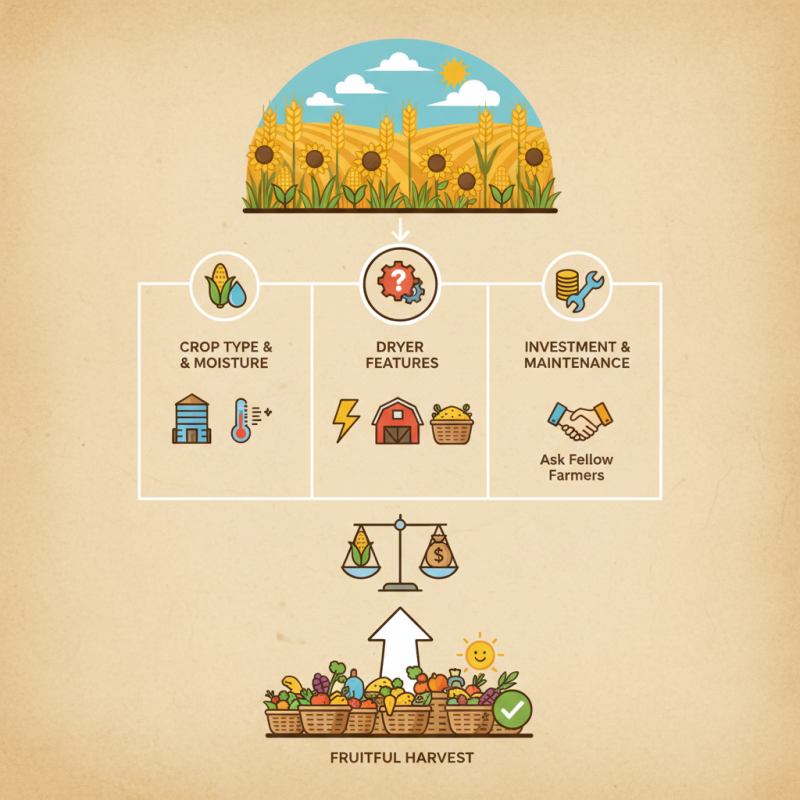
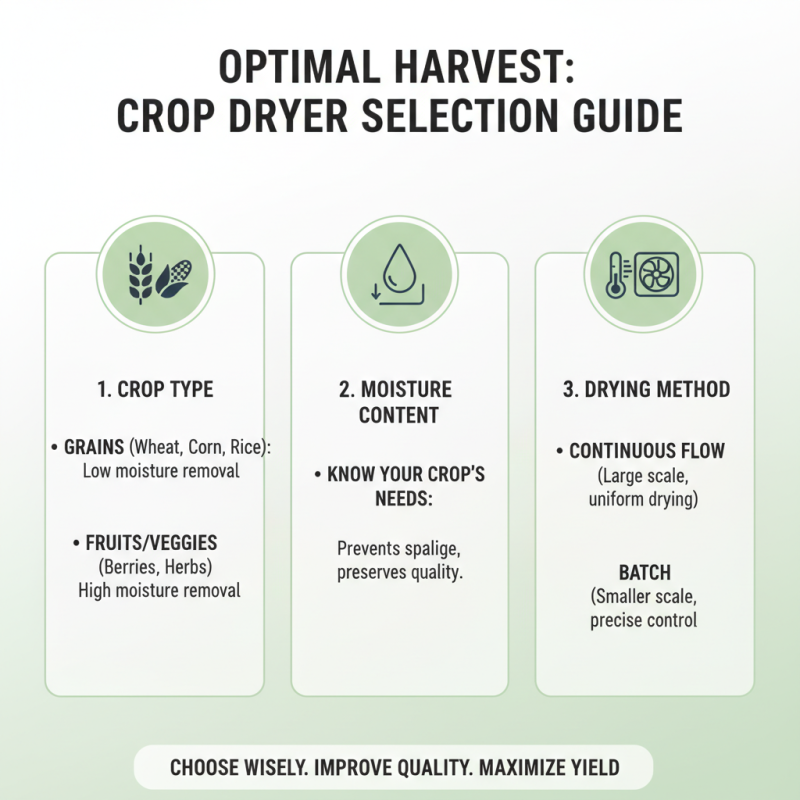
When searching for a Crop Dryer, consider your specific needs. Factors like crop type and moisture content matter. A suitable dryer enhances efficiency and preserves your harvest. Think about the power source, size, and drying capacity.
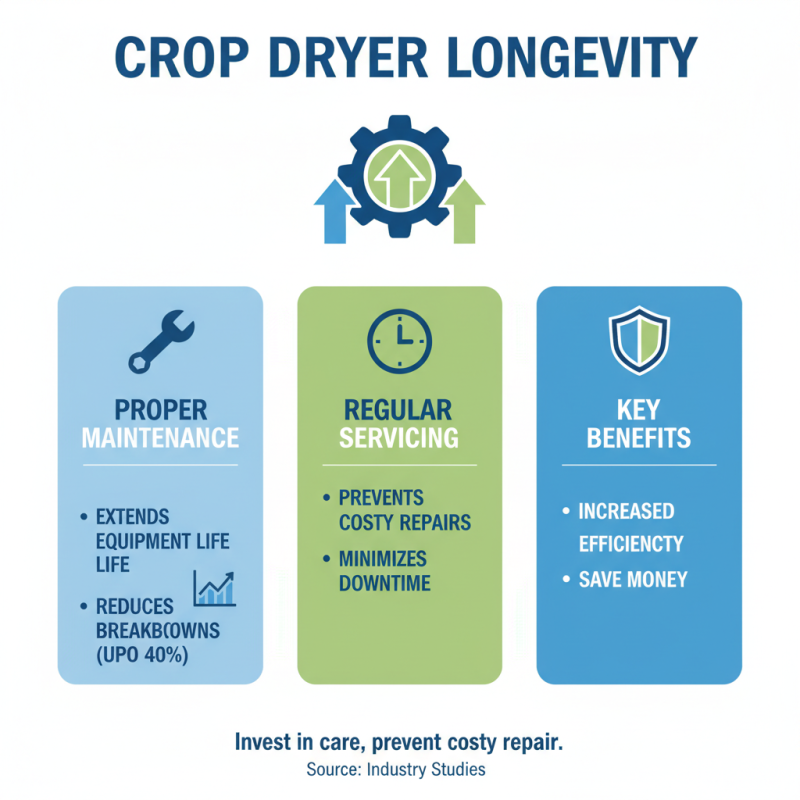
Finally, don't overlook maintenance and costs. Quality dryers can be expensive. Evaluate if the investment aligns with your farming goals. Look for reviews and ask fellow farmers. Reflect on what works best for your operation. Choosing wisely can lead to a fruitful harvest.
Understanding Crop Drying: Importance and Benefits
Crop drying plays a crucial role in preserving the quality of your harvest. Proper drying reduces moisture content, which helps prevent mold and spoilage. It also enhances the shelf life of grains, fruits, and vegetables. When crops are effectively dried, they maintain their nutritional value and flavor. This can make a significant difference when selling them in the market.
Tips: Always check the moisture content of your crops before drying. Use moisture meters for accuracy. Aim for ideal moisture levels to avoid over-drying or under-drying.
Investing in the right crop dryer can optimize this process. Different crops require different drying methods. For instance, grains may need higher temperatures, while herbs might benefit from lower heat. It's essential to understand the specific needs of what you're drying. Choosing the wrong method could lead to loss of quality or even damage.
Tips: Research different drying techniques based on your crop type. Keep experimenting to see what works best for you. Don't hesitate to adapt your approach as needed; learning from mistakes can lead to better results.
Types of Crop Dryers: Selecting the Right Technology
When selecting the right technology for drying crops, a few types stand out.
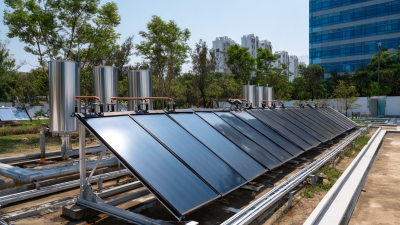
Mechanical dryers use heated air to reduce moisture. They are efficient but can consume a lot of energy. On the other hand, solar dryers harness the sun's energy. They are eco-friendly but might not dry crops quickly in cloudy weather.
Consider the type of crop you grow. Some plants require gentle drying to maintain quality. Others can withstand intense heat. Assess your local climate too. If you live in a sunny area, solar dryers may be beneficial. If it's humid, you might need a mechanical option.
Tips:
Always test a small batch before deciding. Different crops have different drying needs. Measure moisture levels regularly. Misjudging can lead to loss. Don't overlook maintenance. A well-kept dryer may save costs over time.
Evaluating Efficiency and Cost: Making the Best Investment
Choosing the right crop dryer is a critical decision for farmers.
Efficiency and cost play pivotal roles in making the best investment. According to the Agricultural Research Service,
energy efficiency can vary by as much as 25%
among different dryers. This variability directly impacts operational costs and returns.
When evaluating dryers, consider their drying rate. A higher drying capacity reduces
the time crops spend in the dryer. Less time means lower energy consumption. Additionally, some studies show that effective
moisture removal can increase the shelf life of grains by 20%. This makes the
initial investment more worthwhile over time.
Tips: Look for models with variable airflow. This feature allows for better control
of drying conditions. Keep an eye on local energy prices, as they can affect your choice. An inefficient dryer may seem
cheaper but can lead to higher long-term costs. It’s important to assess the potential trade-offs between initial costs
and operational efficiency carefully. A dryer that seems perfect on paper may not perform as expected in real-world conditions.