Top Tips for Choosing the Best Grain Dryer for Your Needs?
Selecting the right grain dryer is crucial for farmers and grain handlers. A good grain dryer ensures the quality of your grains and reduces spoilage. The market offers various models, each with unique features. Finding the best fit for your needs can be overwhelming.
Consider your specific requirements. Different crops have different moisture levels. A dryer that works well for corn may not suit wheat. Think about capacity. Will you be drying small batches or large quantities? The size of your operation matters greatly.
Efficiency is another key factor. A high-efficiency grain dryer saves money in the long run. However, don't overlook maintenance costs. Some models might be affordable upfront but require significant upkeep. Remember, the best grain dryer for you strikes a balance between cost and performance.
Understanding the Importance of Grain Dryers in Agriculture
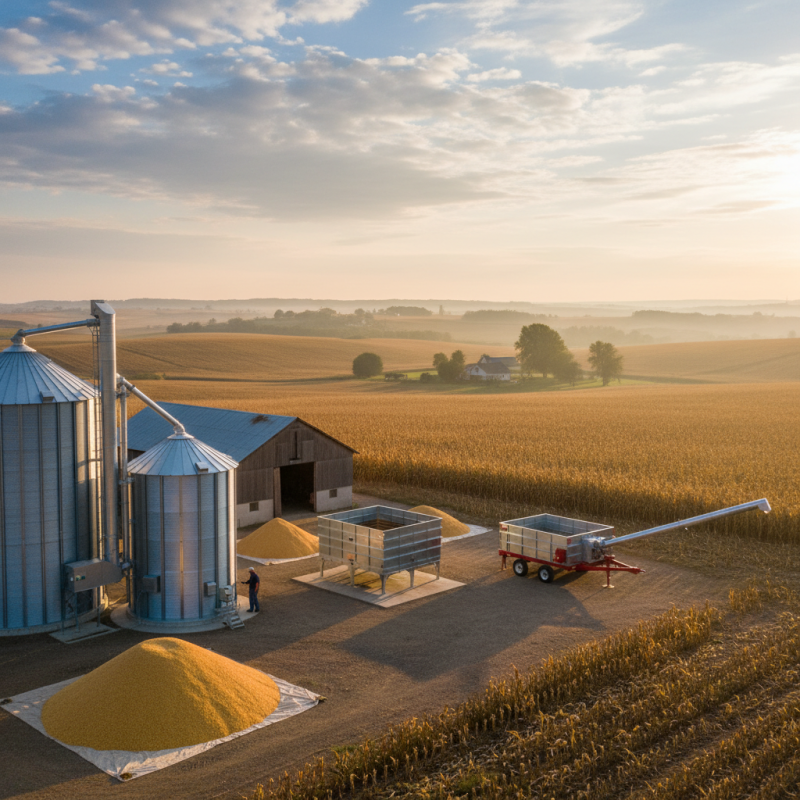
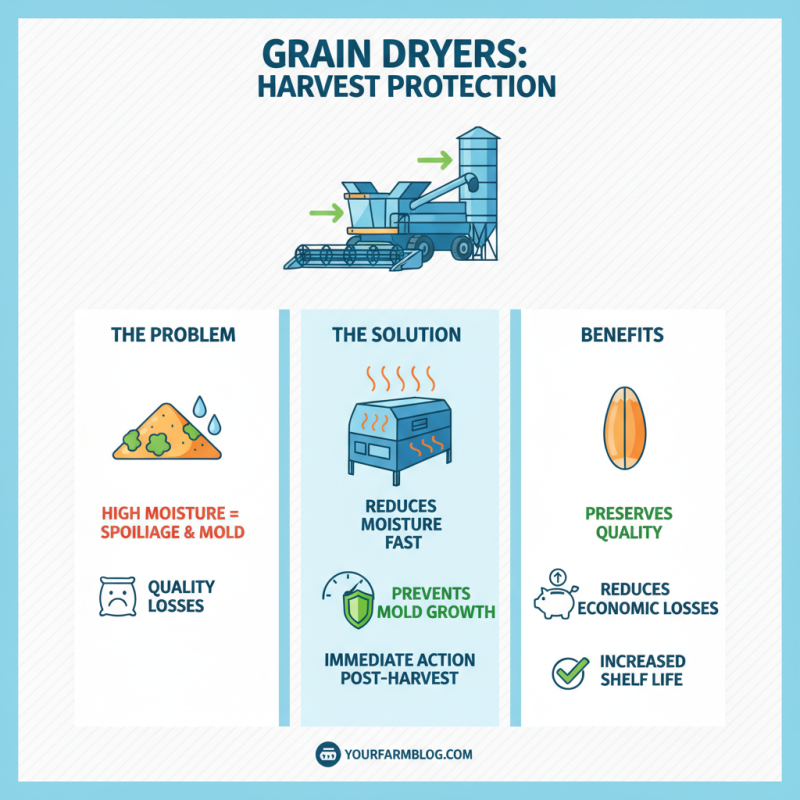
Grain dryers play a crucial role in agriculture. They help reduce moisture levels in harvested crops, preventing spoilage. High moisture content can lead to mold growth. This compromises the quality of grains. Farmers must address this issue immediately after harvest. Delayed drying can result in significant losses.
Choosing the right grain dryer isn’t straightforward. Different types cater to varied needs. Some farmers might overlook the size and capacity required for their operation. An insufficient dryer may lead to bottlenecks during peak harvest times. It’s vital to consider energy efficiency as well. This can influence operational costs.
Understanding the local climate is essential. Regions with high humidity levels may require more robust drying solutions. Some may find existing options inadequate. Customization might be necessary to ensure effectiveness. Mistakes in selecting a dryer can impact the entire harvest. Many aspects need careful evaluation before making a decision.
Types of Grain Dryers: Which One is Right for Your Needs?
Choosing the right grain dryer is crucial for preserving crop quality. There are several types available, and each comes with its unique advantages. The two main categories are continuous flow dryers and batch dryers.
Continuous flow dryers allow for real-time drying, which is ideal for large operations. They can manage high volumes efficiently, making them popular among commercial farmers.
Batch dryers, on the other hand, are more suited for small operations. They are often less expensive and easier to maintain. However, they require more attention and manual labor. According to recent reports, around 40% of farmers prefer batch dryers for their versatility. But users should be aware of their limitations, as they may struggle with moisture control during larger harvests.
Consider the energy efficiency of each type as well. Continuous dryers can consume more energy but often save time during peak harvest seasons. Reports indicate that energy costs can account for up to 30% of total drying expenses. Striking a balance between capacity and energy usage is vital. Reflecting on these factors can help you make a more informed choice.
Key Features to Consider When Selecting a Grain Dryer
When choosing a grain dryer, several key features should guide your decision. First, consider capacity. A dryer that matches your harvest volume is essential. You might underestimate your drying needs. This could lead to delays during peak times. Efficiency is another crucial aspect. Look for models that minimize energy usage while maximizing output. Savings on operational costs can make a significant difference.
Temperature control is vital as well. You want a dryer that allows for precise adjustments. This is important to prevent kernel damage. Overheating can ruin your grain and affect quality. In addition, portability may matter for some users. A model that can be easily moved offers flexibility for different locations. Think about your space—some users find this a challenge.
Finally, don't ignore the importance of user-friendly controls. A complicated interface can add stress when you’re already busy. Consider whether the system provides clear readings. This makes monitoring much easier. Researching user feedback can help identify these facets. Sometimes, features that look great on paper don’t perform well in practice. Be prepared for a learning curve.
Evaluating Energy Efficiency and Operating Costs of Grain Dryers
When choosing a grain dryer, energy efficiency is crucial. It directly affects your operating costs. A more efficient dryer uses less fuel and saves you money. Look for models with high energy ratings. They may come with an upfront cost, but the long-term savings are often worth it.
Operating costs go beyond just energy use. Maintenance expenses can add up over time. Consider the reliability of the dryer. Some models require frequent repairs, which can drain your budget.
Evaluate the price of parts and availability in your area. A cheaper initial investment may lead to hidden costs.
Think about the capacity you need. A dryer too big for your operation may waste energy. Conversely, a small dryer may struggle to meet demand. Finding the right balance is essential. If you’re not sure, consult with other farmers or experts. Their experiences can provide valuable insights.
Maintenance Tips to Ensure Longevity of Your Grain Dryer
Maintaining your grain dryer is crucial for optimal performance and longevity. Regular maintenance can prevent costly breakdowns. Reports suggest that about 30% of grain dryers fail due to lack of proper care. Keeping track of this can save significant funds.
Tip: Schedule consistent inspections. Check for operational efficiency and cleanliness. Dust and debris can accumulate in critical areas. This buildup may cause overheating or reduced airflow. Invest time to clean these areas regularly.
Another key factor is the temperature control system. Fluctuations can cause uneven drying. Studies report that maintaining a stable temperature can improve grain quality by up to 25%. Always monitor the temperature gauges accurately to ensure peak performance.
Tip: Use proper storage conditions after drying. Store grain at appropriate moisture levels. This can prevent spoilage. Neglecting storage can result in losses that impact your bottom line. Regular check-ins and adjustments will ensure your dryer operates smoothly throughout its lifespan.
Top Tips for Choosing the Best Grain Dryer for Your Needs
This bar chart illustrates the importance of various factors when selecting a grain dryer based on user feedback. The factors evaluated include Efficiency, Capacity, Cost, Maintenance, and Technology, showcasing how each influences the decision-making process.