How to Choose the Best Monoblock Heat Pump for Your Needs?
Choosing the right Monoblock Heat Pump for your home can be challenging. This decision impacts energy efficiency and comfort levels. According to the Global Heat Pump Market Report, the demand for heat pumps is increasing, projected to rise by 24% over the next five years. An expert in the field, Dr. Anna Mitchell, emphasizes, “A well-chosen Monoblock Heat Pump can significantly reduce energy bills and environmental impact.”
Understanding your specific needs is crucial. Not every Monoblock Heat Pump will suit every household. Factors like climate, installation space, and heating requirements all play a role. A poorly matched system can lead to inefficiencies. In some cases, homeowners face higher costs and inadequate heating.
Personal experiences in selecting Monoblock Heat Pumps reveal the need for thorough research. Many consumers regret not consulting experts beforehand. Mistakes can lead to overspending or underperformance. It’s essential to weigh all options carefully. Investing time in understanding the features of various models pays off in the long run. Your choice can define comfort and cost-effectiveness for years to come.
Understanding Monoblock Heat Pumps and Their Functionality
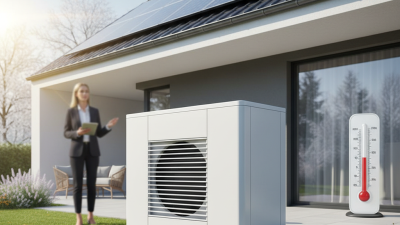
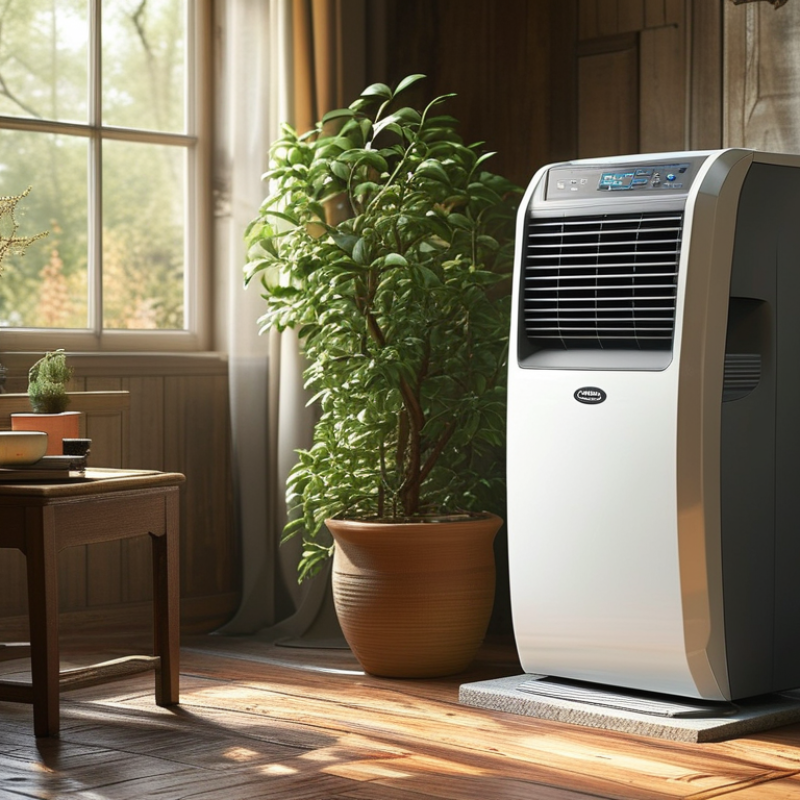
Monoblock heat pumps are efficient solutions for heating and cooling residential spaces. They work by extracting heat from the air and transferring it indoors. This single-unit design simplifies installation, making it attractive for homeowners. According to the International Energy Agency, heat pumps can reduce energy use by 50% compared to traditional heating methods. Their efficiency stems from utilizing renewable energy, making them a sustainable choice.
When selecting a monoblock heat pump, consider the climate where you live. For colder regions, look for models that can operate efficiently even as temperatures drop. The European heat pump market is expected to grow by 15% annually due to increasing energy efficiency demands. This trend reflects a shift towards sustainable technologies and a growing reliance on heat pumps for home energy needs.
Understanding the specific heat requirements of your space is crucial. Each room may have different insulation levels affecting the overall efficiency. For best results, ensure proper sizing of the unit. A pump that is too small will work harder, leading to increased wear. A larger unit might use excessive energy, causing higher bills. Research and report findings from industry experts can guide you in making informed choices.
Evaluating Your Heating and Cooling Needs for Optimal Sizing
When evaluating your heating and cooling needs, begin by assessing your home’s size and layout. Measure your space in square feet. A larger area generally requires a more powerful heat pump. Consider ceiling height, window types, and insulation quality. These factors greatly influence the efficiency and effectiveness of your heating system. Have you checked for drafts? Even small gaps can lead to significant energy loss.
Next, think about your climate. Warmer regions might need a heat pump with a good cooling capacity, while colder climates require robust heating. Reflect on your usage patterns. How often do you use different rooms? If a space is rarely occupied, you might not need extensive heating or cooling there. Also, consider future needs. Are you planning to expand your living space? Sometimes, choosing a slightly larger unit can save you trouble down the road.
Lastly, don’t overlook your budget. Low installation costs can lead to higher operating expenses. It’s important to balance your initial investment with long-term savings. Seek guidance from professionals if needed. They can offer insights that you might not have considered. Remember, every home is unique. Adapting your choice to your specific situation can enhance comfort while optimizing energy efficiency.
Key Factors to Consider When Selecting a Monoblock Heat Pump
When selecting a monoblock heat pump, there are several key factors to consider. One crucial element is the energy efficiency rating. The Seasonal Energy Efficiency Ratio (SEER) can gauge performance. A higher SEER indicates better efficiency. According to a recent industry report, units with a SEER rating above 16 can lead to significant long-term savings. This efficiency translates into lower utility bills.
Another vital aspect is the heating capacity. It should match your home’s size and heating requirements. An undersized unit may struggle to maintain comfort. Over-sizing can lead to increased energy costs and frequent cycling. Proper sizing is essential for optimal performance. Consulting with a qualified installer can provide insights tailored to your environment.
Noise levels also matter. Many modern models boast lower decibel ratings, enhancing your living space’s comfort. An industry study found that units operating under 50 dB significantly improve user satisfaction. However, more noise-proofing may be required in residential areas. Evaluating these factors can refine your decision-making process while selecting the right monoblock heat pump.
How to Choose the Best Monoblock Heat Pump for Your Needs?
| Feature |
Description |
Importance |
| Efficiency Rating |
Look for a higher coefficient of performance (COP) for better energy efficiency. |
High |
| Heating Capacity |
Choose a unit with capacity adequate for your space requirements. |
High |
| Noise Level |
Consider the sound rating to ensure it’s suitable for your environment. |
Medium |
| Installation Requirements |
Verify if it fits in your existing space without extensive modifications. |
High |
| Warranty |
Look for a comprehensive warranty plan for peace of mind. |
Medium |
| Cost |
Balance your budget with the features and efficiency offered. |
High |
| Climate Suitability |
Ensure the model operates effectively in your local climate conditions. |
High |
Comparing Energy Efficiency Ratings and Costs of Different Models
When selecting a monoblock heat pump, energy efficiency ratings should be a top concern. Look at the Seasonal Energy Efficiency Ratio (SEER) and Heating Season Performance Factor (HSPF). A higher rating indicates better efficiency, which translates to lower energy bills. Models with SEER ratings above 15 are generally considered efficient.
Costs vary significantly between models. While some heat pumps provide lower upfront costs, they may have higher operating expenses. It’s important to consider the long-term investment. A pump with a higher initial price but superior efficiency rating could save you more over time. Don’t overlook additional features, such as noise levels or warranty length, when evaluating.
Budget constraints can lead to compromises, but investing in efficiency pays off. Research different models thoroughly. Gather user reviews and ratings to gauge reliability. Understanding the local climate can also impact your choice. A model suitable for warmer areas may not perform well in colder climates.
Energy Efficiency Ratings of Various Monoblock Heat Pump Models
This chart compares the energy efficiency ratings (Coefficient of Performance, COP) of various monoblock heat pump models. The higher the COP, the more efficient the heat pump is at converting energy input into heat output.
Exploring Installation Requirements and Maintenance Tips for Longevity
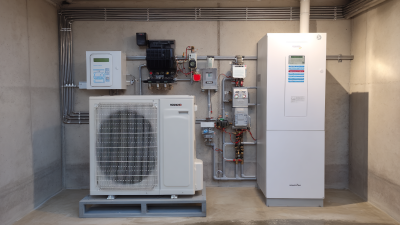
When choosing a monoblock heat pump, installation and maintenance are crucial for optimal performance. Precise installation can enhance efficiency up to 30%, according to the Energy Saving Trust. Ensure that the unit is level and free from obstructions. Proper airflow around the unit allows for better heat exchange, leading to increased efficiency.
A regular maintenance routine is essential. Clean or replace filters every three months to maintain airflow and efficiency. In addition, inspect the unit for any leaks or unusual noises. This can help identify problems early, preventing costly repairs later. Industry reports indicate that regular maintenance can extend the lifespan of heat pumps by up to 15 years.
Pay attention to external factors as well. Monitor the surrounding environment for debris or vegetation that can block airflow. Seasonal checks are vital, especially before winter, to ensure the system operates efficiently. Regular attention to these details can significantly enhance your investment's longevity and effectiveness.