How to Choose the Best Water Heatpump for Your Needs?
Choosing the right Water Heatpump can significantly impact your energy efficiency and comfort at home. According to Dr. Emily Chen, a leading expert in HVAC systems, "Selecting the proper Water Heatpump is crucial for long-term savings." Heat pumps are not just a trend; they're effective and economical options for many households.
When considering a Water Heatpump, factors like size, efficiency ratings, and installation requirements come into play. You need a model that suits your specific climate and usage needs. Dr. Chen advises, "Take the time to do thorough research and consult with professionals." The market is flooded with options, making it easy to feel overwhelmed.
There’s no one-size-fits-all solution. Reflect on your heating and cooling demands. Investigate brands and read reviews. A well-chosen Water Heatpump can lower your bills but a poor choice may lead to inefficiencies. Your comfort is worth the effort.
Understanding Water Heat Pumps: Types and Functions
Water heat pumps are essential for efficient heating and cooling. They come in various types, each suited for different applications. Understanding the functions of these heat pumps can make your choice easier.
Air-source, ground-source, and water-source heat pumps are common. Air-source models capture heat from the air, while ground-source units draw energy from the ground. Water-source pumps utilize nearby water bodies for heat exchange.
When choosing a water heat pump, consider your specific needs. Analyze the climate in your area. For colder regions, a ground-source pump might provide better efficiency. In milder climates, air-source options can be sufficient. Remember, not all units are created equal. Some may perform better under particular conditions.
Tip: Calculate the heating and cooling load of your space first. This ensures the pump fits your requirements. Also, consider the installation process, as it can vary immensely. Proper installation is crucial for performance. Research local regulations, as they can influence your choice. Always seek professional advice for the best results.
Assessing Your Hot Water Needs for Optimal Heat Pump Selection
Assessing your hot water needs is crucial for selecting the right heat pump. Understanding your daily water usage can help you choose a unit that fits your household. On average, a family of four requires about 50 gallons of hot water daily. This can vary, depending on lifestyle and habits. Knowing how much hot water you need helps narrow down your choices.
Consider the peak usage times in your home. Do you take long showers in the morning while running the dishwasher? If so, you may need a larger capacity heat pump. According to industry reports, capacity typically ranges from 50 to 80 gallons. Larger units can deliver more water during those critical moments but may incur higher energy costs.
Tips: Regularly monitor your hot water use. This will provide insight into your actual needs. A simple tracking method can make a big difference. Evaluate your usage; a smaller unit can work efficiently without wasting energy.
Another essential factor is the efficiency rating. The U.S. Department of Energy recommends looking for units with a high energy factor (EF). An EF of at least 2.0 is desirable for optimal efficiency. Twisting this into the purchase decision means being aware of energy consumption. It's easy to overlook, yet it is paramount.
Factors to Consider When Choosing a Water Heat Pump
When selecting the best water heat pump, several factors should guide your decision. Efficiency is a primary consideration. According to the U.S. Department of Energy, a heat pump's coefficient of performance (COP) should ideally exceed 3. This means it generates three units of heat for every unit of energy consumed. Systems with higher efficiency can lead to significant cost savings over time.
Another key factor is the climate. Air-source heat pumps perform well in moderate climates but may struggle in frigid conditions. Studies indicate that in areas with temperatures below 25°F, their efficiency can drop, leading to potential heating challenges. It's essential to assess your local climate's characteristics when making a choice.
The size of the heat pump plays a crucial role as well. An oversized pump can lead to short cycling, reducing efficiency. Conversely, an undersized unit may not meet heating demands. Proper sizing should consider home square footage, insulation quality, and expected hot water use. Each of these elements influences the overall performance and effectiveness of the heat pump.
How to Choose the Best Water Heatpump for Your Needs? - Factors to Consider When Choosing a Water Heat Pump
| Factor |
Consideration |
Importance Level |
Estimated Cost (USD) |
| Efficiency Rating |
Look for high Energy Efficiency Ratio (EER) for better savings. |
High |
$1500-$3000 |
| Size |
Choose a size that matches your hot water needs. |
Medium |
$1200-$2500 |
| Installation Type |
Consider if it’s a standalone or integrated system. |
High |
$1000-$2000 |
| Warranty |
Check the warranty offered by the manufacturer. |
Medium |
$0 (included with purchase) |
| Noise Level |
Consider decibel ratings for quiet operation. |
Low |
$0 (general feature) |
| Climate Compatibility |
Ensure it works effectively in your local climate. |
High |
$0 (general assessment) |
Comparison of Energy Efficiency Ratings and Costs
When selecting a water heat pump, energy efficiency and cost are vital components to consider. Energy efficiency ratings indicate how well a pump can convert electricity into heat. Look for units with high ratings; they typically save you money in the long run.
Costs can vary significantly. Higher rated pumps may have a steeper upfront cost, but they can lead to substantial savings on energy bills. Investing wisely can pay off over time. Understand your specific heating needs and budget. You don’t want a system that exceeds your requirements or finances.
**Tips:** Always compare similar models. Don't rely solely on the energy rating. Ask for clarification on their real-world performance. Also, consider installation costs. Sometimes, low-efficiency units may lead to unexpected expenses. Researching and checking reviews can help you find reliable options that suit your home effectively.
Installation and Maintenance Considerations for Water Heat Pumps
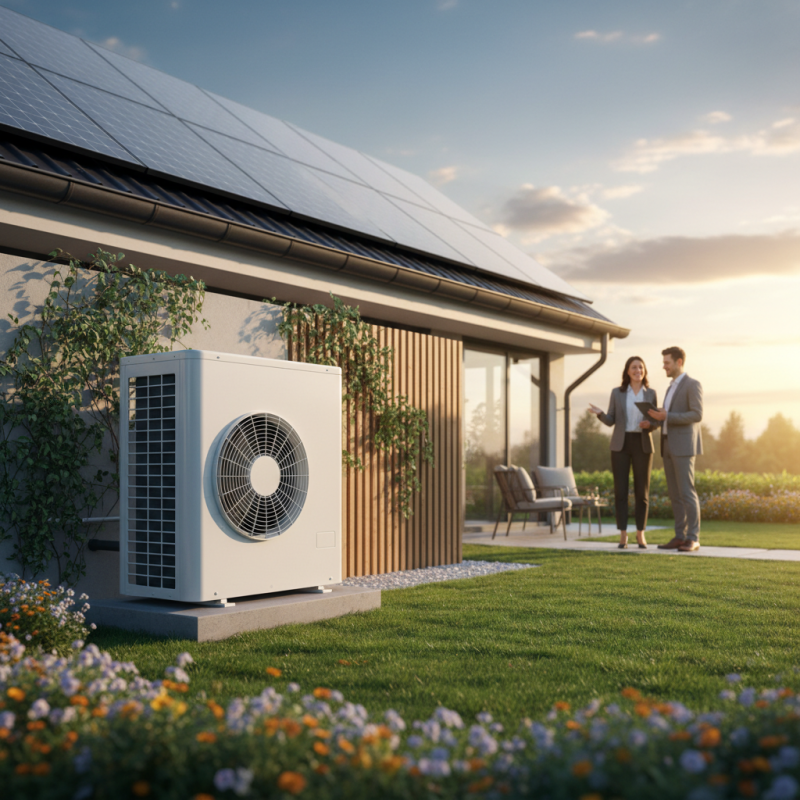
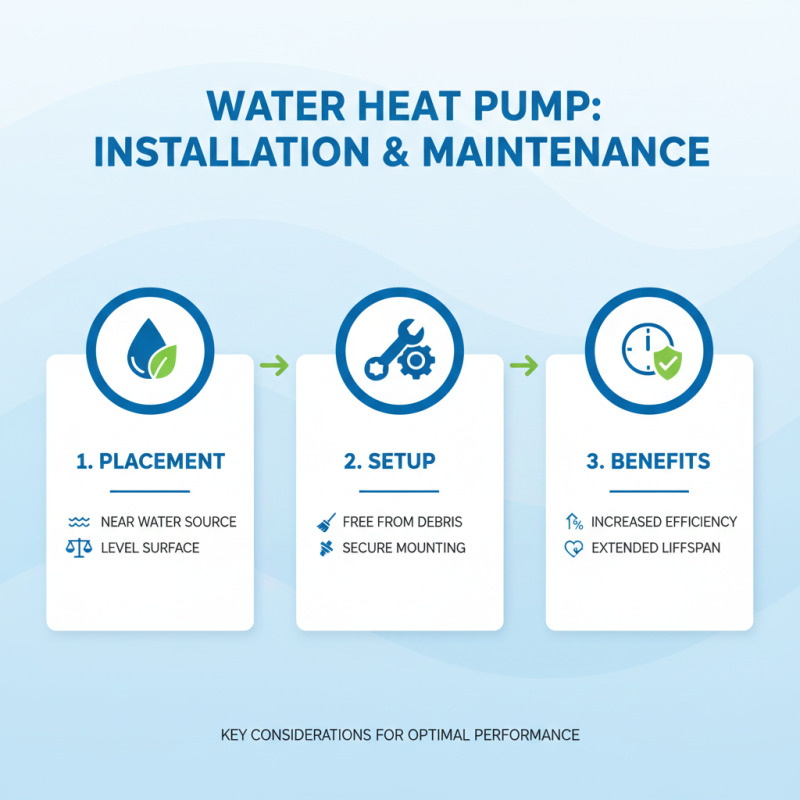
When considering the installation of a water heat pump, proper placement is key. A nearby water source can enhance efficiency. Ensure that the pump is installed on a level surface, free from debris. This setup prevents operational issues and encourages longevity.
Maintenance is often overlooked but crucial. Regularly check the filters for dirt and debris. A clean filter improves efficiency and reduces energy costs. Additionally, inspect the pump for signs of wear, such as unusual noises. Neglecting these checks could lead to larger issues later on, requiring expensive repairs.
Understanding your climate is essential. In colder regions, a more robust heating system may be necessary. If you're unsure, consulting a professional can avoid costly mistakes. Remember, a tailored approach to installation and maintenance ensures optimal performance and reliability in the long run.