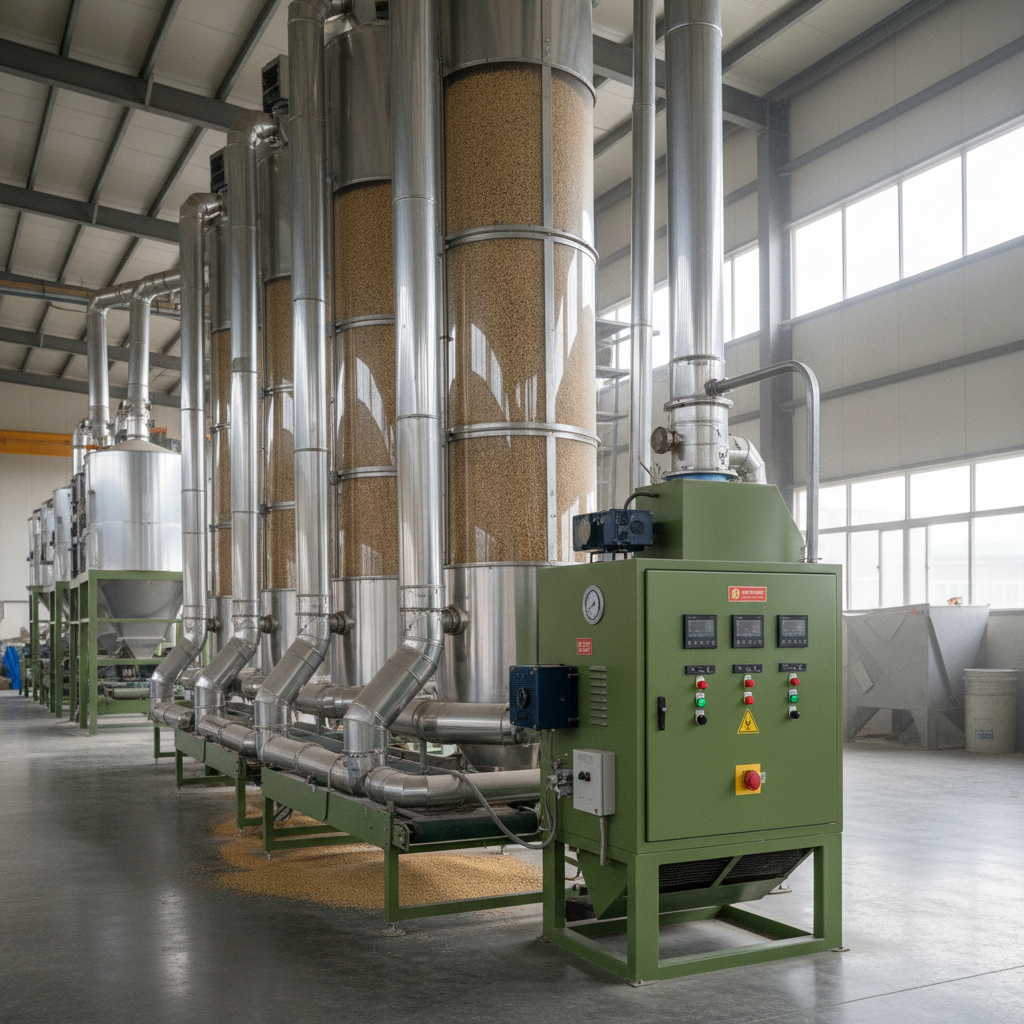
Why Choosing the Right Rice Dryer is Crucial for Optimal Grain Quality
In the rice production industry, the importance of selecting the right Rice Dryer cannot be overstated, as it directly impacts not only the quality of the grains but also the overall yield and profitability. According to Dr. Emily Chen, a leading expert in post-harvest technology, "The efficiency and design of a Rice Dryer can make a significant difference in maintaining the nutritional value and extending the shelf life of rice." With various types of dryers available on the market, understanding the specific needs of one's operation is essential for ensuring optimal grain quality.
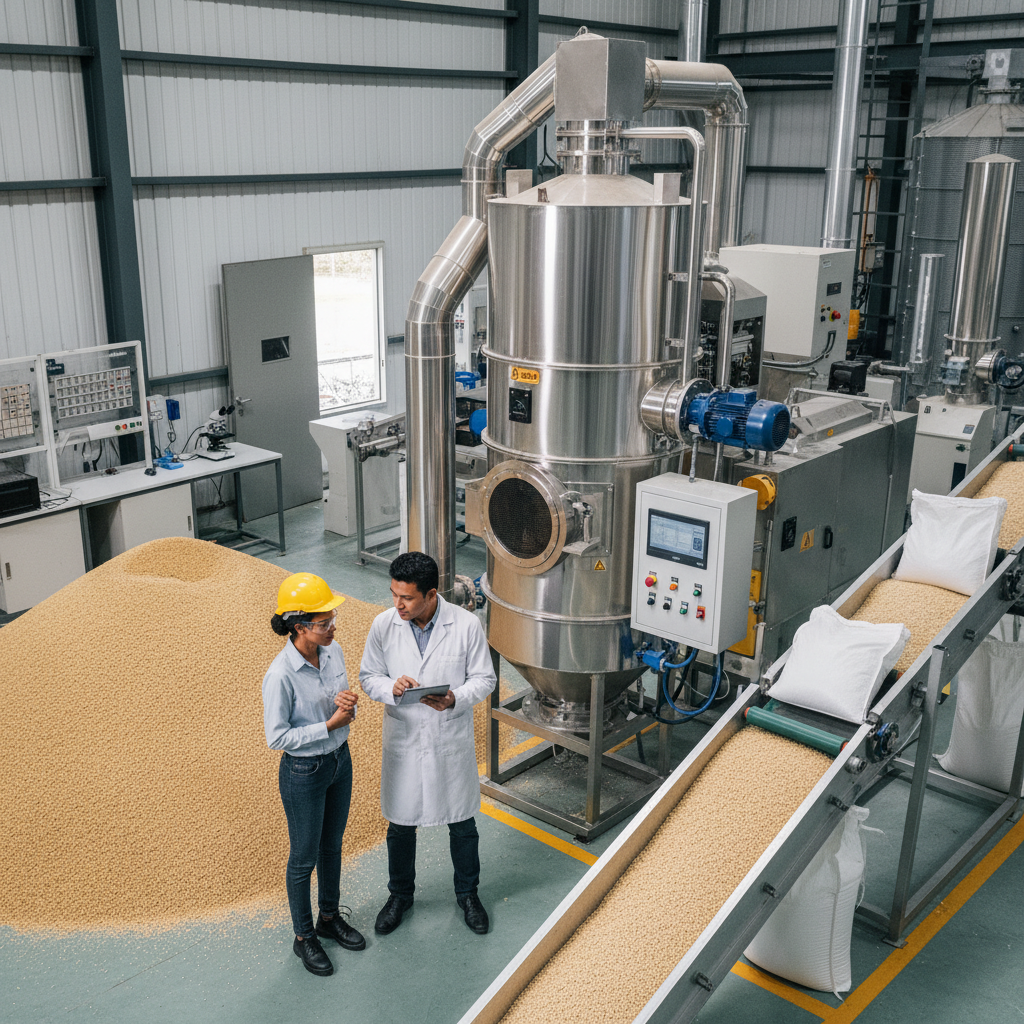
As the demand for high-quality rice continues to rise, farmers and producers must recognize the critical role that an appropriate Rice Dryer plays in their success. From preserving the integrity of the grains to minimizing losses during the drying process, the right choice can lead to more robust, flavorful, and market-ready products. In this article, we will delve into the top five reasons why selecting the right Rice Dryer is crucial and explore expert insights to guide producers in making informed decisions for their businesses.
Understanding the Importance of Rice Drying in Grain Quality Preservation
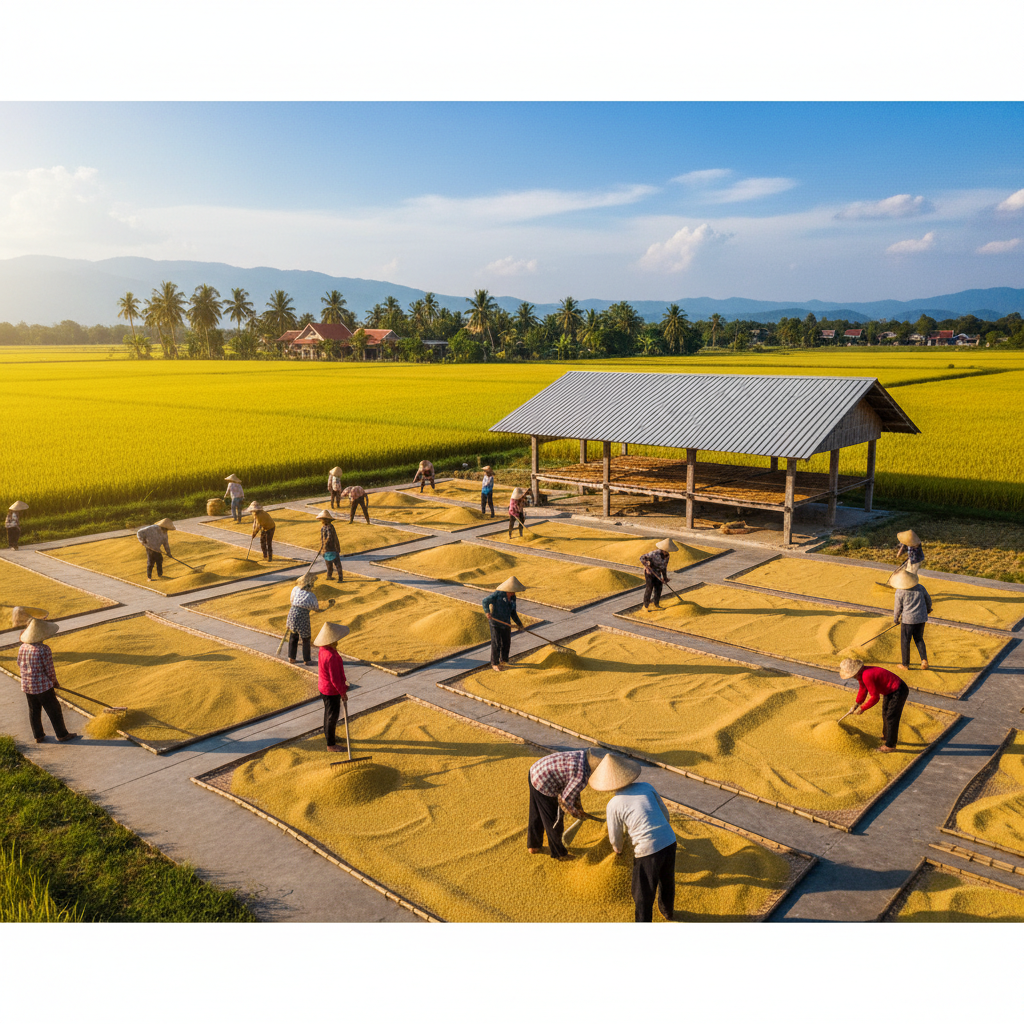
Rice drying is a critical process in preserving the quality of harvested grains. Proper drying minimizes moisture content, which is vital for preventing the growth of bacteria and fungi that can compromise the grain's safety and edibility. Additionally, optimal drying preserves the rice's nutritional content and overall marketability. With the right drying technique, farmers can significantly improve the shelf-life of their produce, making it more appealing for consumers and leading to better economic returns.
Tips for effective rice drying include maintaining consistent airflow during the drying process to ensure even moisture removal. Monitoring temperature and humidity levels is essential, as fluctuations can lead to uneven drying and potential spoilage. Using modern rice dryers equipped with moisture sensors can help track and adjust conditions in real-time, ensuring optimal results. Lastly, consider experimenting with different drying times to find the best balance that preserves grain quality while maximizing efficiency.
Investing in quality rice dryers not only enhances grain preservation but also supports sustainable farming practices. By choosing equipment that reduces energy consumption and improves drying efficiency, farmers contribute to a more responsible approach to agriculture. This not only benefits their operations but also promotes a healthier environment.
Key Features to Look for in a High-Quality Rice Dryer
Choosing the right rice dryer is essential for maintaining optimal grain quality, as moisture levels directly affect the final product's taste, texture, and shelf life. High-quality rice dryers are designed to ensure uniform drying, reducing the risk of spoilage and post-harvest losses. When selecting a rice dryer, key features to consider include adjustable temperature settings, efficient airflow systems, and energy consumption rates. These elements contribute significantly to the drying efficiency and effectiveness, allowing for a better-quality end product.
According to industry reports, the global freeze-drying equipment market was valued at approximately $2.08 billion in 2023 and is anticipated to grow significantly over the next few years. The demand for advanced drying techniques, especially in agriculture, highlights the importance of investing in modern rice drying solutions. Additionally, as markets expand, advancements in technology and design are likely to further elevate the standards for rice dryers. Ensuring that the chosen equipment maintains optimal performance capabilities is crucial for maximizing yield and maintaining grain quality in an increasingly competitive market.
Types of Rice Dryers and Their Impact on Grain Quality
When it comes to preserving the quality of harvested rice, selecting the appropriate rice dryer plays a pivotal role. There are several types of rice dryers available, each designed to cater to specific drying needs. For instance, batch dryers are often favored for their ability to handle small quantities and offer precision control, which can help maintain the grain’s moisture content and overall quality. In contrast, continuous flow dryers are more suitable for large-scale operations, providing greater efficiency but potentially exposing the rice to higher temperatures that could adversely affect its quality if not carefully monitored.
The impact of these drying methods on grain quality cannot be understated. Properly managed drying processes can prevent issues such as cracking, shrinkage, and loss of nutritional value. Moreover, advanced technologies like heated air drying systems can enhance drying efficiency while ensuring that the rice retains its natural fragrance and taste.
Conversely, suboptimal drying conditions, whether from excessive heat or uneven moisture removal, can lead to diminished grain quality, making it essential for producers to assess their needs and select the right drying equipment.
Common Mistakes to Avoid When Selecting a Rice Dryer
When selecting a rice dryer, one of the most common mistakes is not considering the specific
moisture content needs of the rice variety. Different rice types have varying ideal moisture levels for storage and processing.
Over-drying can lead to a loss of flavor and quality,
while under-drying may promote mold growth
and spoilage. Thus, it's crucial to choose a dryer that can be finely tuned to accommodate these specifications.
Another frequent oversight is neglecting energy efficiency. Rice dryers can consume significant
amounts of energy, affecting operational costs. Opting for a model that
incorporates energy-saving technologies can not only reduce expenses but also minimize environmental impact.
Additionally, overlooking the design and maintenance requirements of the dryer can lead to functional issues and increased downtime.
A well-designed dryer should be easy to clean and service, ensuring
consistent performance and longevity.
Maintenance Tips for Ensuring Optimal Performance of Your Rice Dryer
Maintaining your rice dryer is essential to achieving optimal grain quality. Regular upkeep not only maximizes the efficiency of the drying process but also helps in avoiding potential issues that could compromise rice integrity. According to a report by the Food and Agriculture Organization, improper drying can lead to up to a 30% loss in grain quality due to moisture retention, promoting spoilage and reducing market value. Therefore, routine checking of the drying system's components—such as the heating elements, fans, and temperature control systems—is critical to ensure consistent performance.
In addition, it's important to clean the dryer regularly, as residual rice husks and dust can affect airflow and heat distribution. A study showing best practices in rice drying suggests that maintaining a clean dryer can improve energy efficiency by up to 20%, directly impacting operational costs. Implementing a preventative maintenance schedule, which includes lubrication of moving parts and inspection of electrical connections, can significantly reduce the likelihood of breakages and prolong the life of the equipment, ensuring that the rice produced maintains its quality for both consumption and sale.
Why Choosing the Right Rice Dryer is Crucial for Optimal Grain Quality - Maintenance Tips for Ensuring Optimal Performance of Your Rice Dryer
| Dimension |
Description |
Impact on Grain Quality |
Maintenance Tips |
| Temperature Control |
Maintaining optimal drying temperature |
Prevents grain discoloration and nutrient loss |
Regularly calibrate temperature sensors |
| Moisture Level |
Monitoring moisture removal levels |
Ensures proper storage lifespan and quality |
Inspect and reset moisture meters regularly |
| Airflow Management |
Ensuring even airflow during drying |
Prevents uneven drying and supports uniformity |
Clean air ducts and fans frequently to ensure efficient airflow |
| System Calibration |
Regular adjustments to the drying system |
Optimizes performance and energy efficiency |
Schedule regular maintenance checks with professionals |
| Cleaning Protocols |
Regular cleaning of all components |
Reduces the risk of contamination and spoilage |
Implement daily cleaning routines and maintenance logs |