Choosing the right Heatpump Split system can significantly impact your home's comfort. With various options available, making the best decision requires careful thought. Understanding your space and specific needs is essential. A system that works for one household may not suit another.
Consider factors like energy efficiency and installation requirements. Research different brands and their reputations in the market. Reading user reviews can provide insights into real-life performance. It's crucial to balance upfront costs with long-term savings.
Professionally installed systems often deliver better performance. However, poor installation can lead to inefficiency. Reflecting on your choices can guide you toward an ideal Heatpump Split solution. Taking the time to educate yourself pays off in comfort and energy savings.
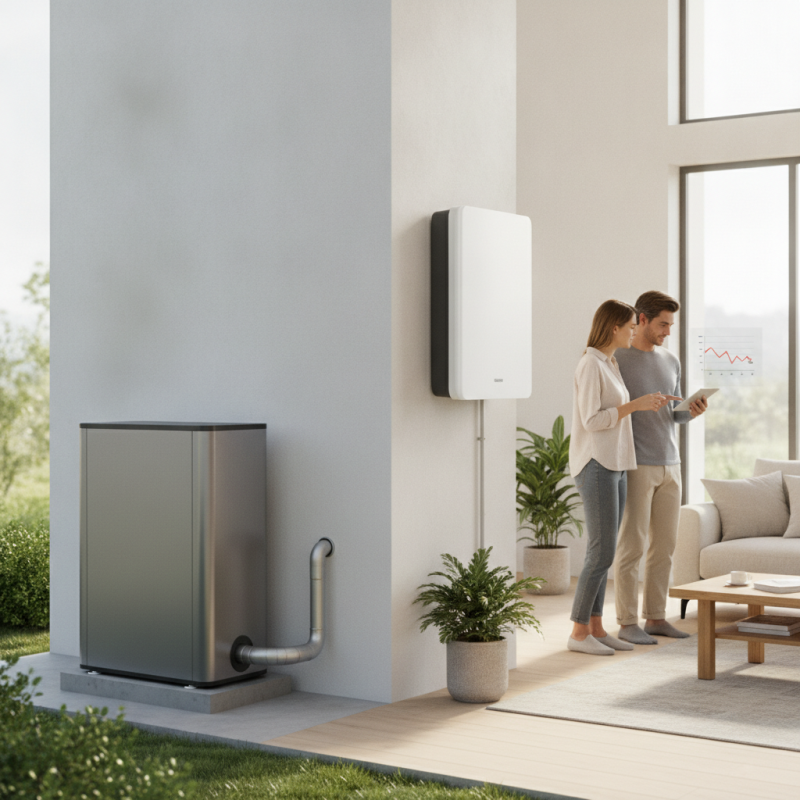
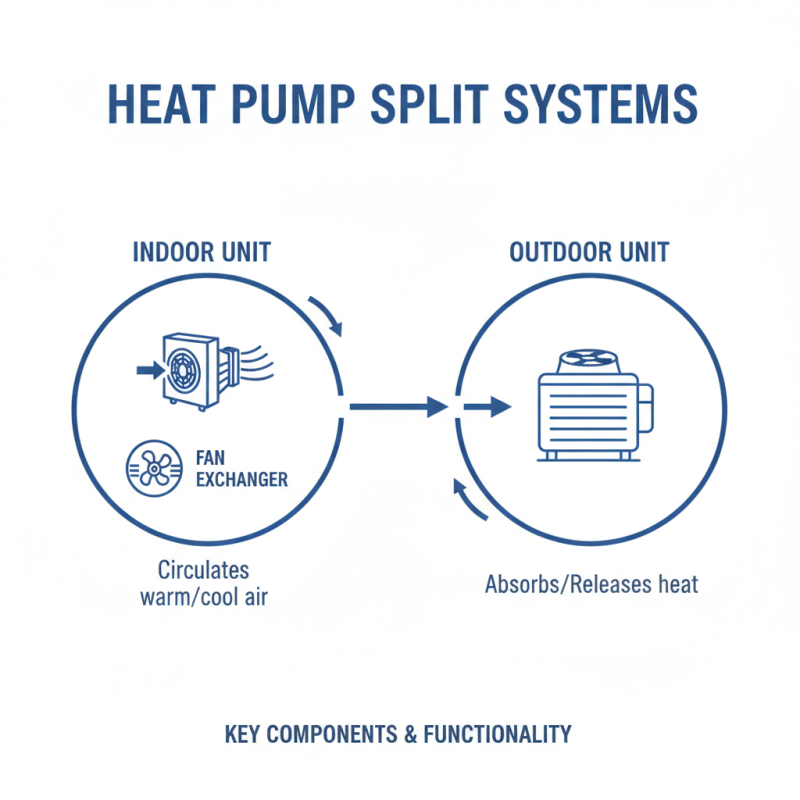
Heat pump split systems consist of two main components: an indoor unit and an outdoor unit. The indoor unit works to circulate warm or cool air throughout your space. It does this via a fan and a heat exchanger. Understanding this basic functionality is crucial for making an informed decision.
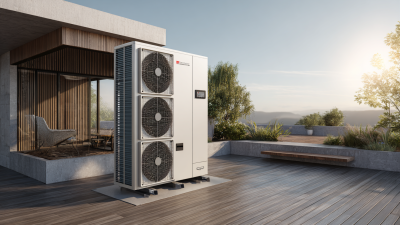
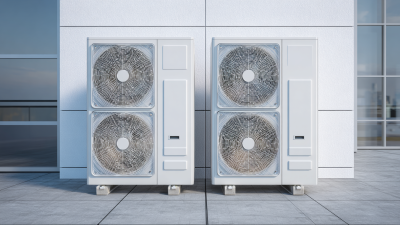
The outdoor unit absorbs heat from the environment, even when it's cold outside. It contains the compressor and another heat exchanger. This unit is often placed on a concrete slab or mounted on the wall, providing stability and efficiency. When choosing a system, consider the efficiency ratings indicated by the seasonal energy efficiency ratio (SEER). Higher numbers usually mean better efficiency, which can save you money in the long run.
Choosing the right system can feel overwhelming. You may face challenges such as sizing the units correctly for your space. An oversized unit can lead to inefficiency, while an undersized one may not meet your heating and cooling needs. Ensure you assess your home’s insulation and layout to find the best fit. Proper installation is key; even minor mistakes can impact system performance.

When selecting a heat pump split system, energy efficiency ratings are critical. Two key metrics come into play: SEER and HSPF. SEER stands for Seasonal Energy Efficiency Ratio. It measures the cooling efficiency of the system over a season. A higher SEER rating indicates better performance and lower energy costs. Aim for a SEER above 16 for optimal savings.
HSPF, or Heating Season Performance Factor, evaluates heating efficiency. This ratio considers the total heating output over the entire heating season. A higher HSPF rating, typically above 8, means more efficient heating. Understanding these metrics helps in identifying systems that fit both comfort and budget needs.
However, consumers often overlook these value indicators. It's important to consider types of installations and climate. An installation that works well in one region may not suit another. Make sure to reflect on your specific needs. Evaluating these efficiency ratings can guide your decision effectively, but don’t forget to consult with professionals. This dual approach ensures you choose wisely.
| Feature | Description | Rating Scale | Example Value |
|---|---|---|---|
| Energy Efficiency Ratio (EER) | Measures the cooling efficiency of the heat pump under specific conditions. | Higher is better | 12 to 14 |
| Seasonal Energy Efficiency Ratio (SEER) | Measures average energy efficiency during the cooling season. | 14 to 25+ | 16 |
| Heating Season Performance Factor (HSPF) | Indicates heating efficiency over an entire season. | Higher is better | 8 to 12+ |
| Noise Level | Sound output of the unit, measured in decibels (dB). | Lower is quieter | 50 to 70 dB |
| Size (Cooling Capacity) | Cooling power measured in BTUs (British Thermal Units). | Depends on home size | 18,000 BTU |
| Warranty | Length and coverage of the warranty offered. | Longer is better | 5 to 10 years |
| Installation Requirements | Specific installation needs that can affect cost and feasibility. | Varies by unit type | Ducted vs. ductless |
| Smart Features | Integration with home automation systems. | More features, higher value | Wi-Fi connectivity |
| Rebates and Incentives | Check for local or federal rebates on energy-efficient systems. | Varies by region | $100 - $2000 |
| Environmental Impact | Consider refrigerant type and overall eco-friendliness. | Lower impact preferred | R-410A refrigerant |
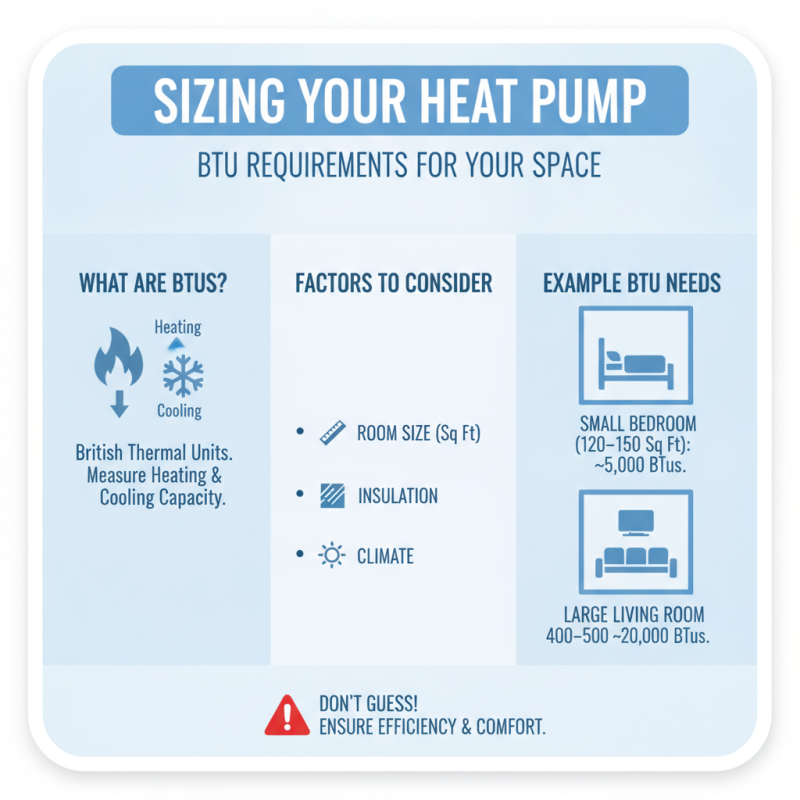
Selecting the right heat pump split system starts with understanding the BTU requirements for your space. BTUs, or British Thermal Units, measure heating or cooling capacity. Each room has unique needs based on size, insulation, and climate. For instance, a small bedroom may need around 5,000 BTUs, while a larger living room could require up to 20,000 BTUs. Neglecting these specifics can lead to inefficiencies, higher energy bills, and discomfort.
Tip 1: Calculate your space. Use a BTU calculator or consult a professional. A common guideline is to use 20 BTUs per square foot for cooling. Adjust this based on factors like ceiling height and window exposure. Overestimating can waste energy, while underestimating may result in an inadequate system.
When sizing your heat pump, consider your lifestyle. If you occupy rooms frequently, higher BTUs might be necessary for comfort. Alternatively, if certain areas are seldom used, smaller systems may suffice. Research indicates that proper sizing improves energy efficiency by 30%, making it essential to find the right balance.
Tip 2: Don’t overlook seasonal factors. Different climates demand adjustments in BTU needs. For homes in colder regions, adding extra capacity for winter heating is critical. Check industry reports which recommend increasing BTUs by 10-20% in colder months to maintain optimal performance. Careful analysis is key for saving money and ensuring a cozy environment.
When selecting a heat pump split system, one critical consideration is the choice between ducted and ductless distribution methods. Data shows that ducted systems can be more efficient for larger homes, as they distribute air evenly through a network of ducts. Homes averaging over 2,500 square feet see a significant 30% increase in efficiency with ducted systems, according to the Department of Energy. However, installing ducts can be costly and disruptive. Homeowners need to weigh the long-term efficiency against the initial investment.
On the other hand, ductless systems, or mini-splits, are gaining popularity especially in smaller, older homes. These systems require minimal installation work and allow for zoned heating and cooling. A report by the Energy Star program indicates that ductless systems can operate at up to 30% higher efficiency compared to older ducted systems. However, they do have limitations in terms of coverage. Homes with multiple rooms may require several units, potentially increasing the overall cost.
Many homeowners face challenges in understanding these options. Each system has unique benefits and drawbacks. Choosing the wrong method might lead to inadequate heating or wasted energy. It is essential to evaluate your specific home layout and needs before deciding. Consulting with HVAC professionals can provide valuable insights tailored to your situation.
When budgeting for the installation and maintenance of a heat pump split system, consider various factors that influence overall costs. The installation cost can range significantly based on system type and your home’s layout. Average installation fees typically fall between $3,000 and $7,000, but this can vary. Complex installations require more labor, which can add to your expenses.
Maintenance is equally crucial and often overlooked. Regular service checks are necessary to ensure your system operates efficiently. Routine maintenance costs usually average around $150 to $300 per year. However, neglecting it can lead to costly repairs. A malfunctioning unit may incur unexpected bills much higher than regular servicing, highlighting the importance of ongoing care.
Additionally, energy efficiency plays a significant role in long-term costs. Though an efficient unit may have a higher initial price, it can save you money on energy bills. Reflect on your climate situation, too. A more robust system may be needed in extreme weather, impacting both installation and running costs. Careful planning and research are essential to avoid financial surprises down the road.