Evi Heat Pump Advantages and How It Transforms China Top Energy Solutions?
As the world increasingly focuses on sustainable energy solutions, the Evi Heat Pump stands out as a groundbreaking technology in China's energy landscape. Dr. Li Jun, a leading expert in renewable energy systems, recently remarked, "The Evi Heat Pump is not just an innovation; it is a revolution in our approach to energy consumption." This technology offers numerous advantages that not only reduce carbon emissions but also enhance energy efficiency in homes and industries.
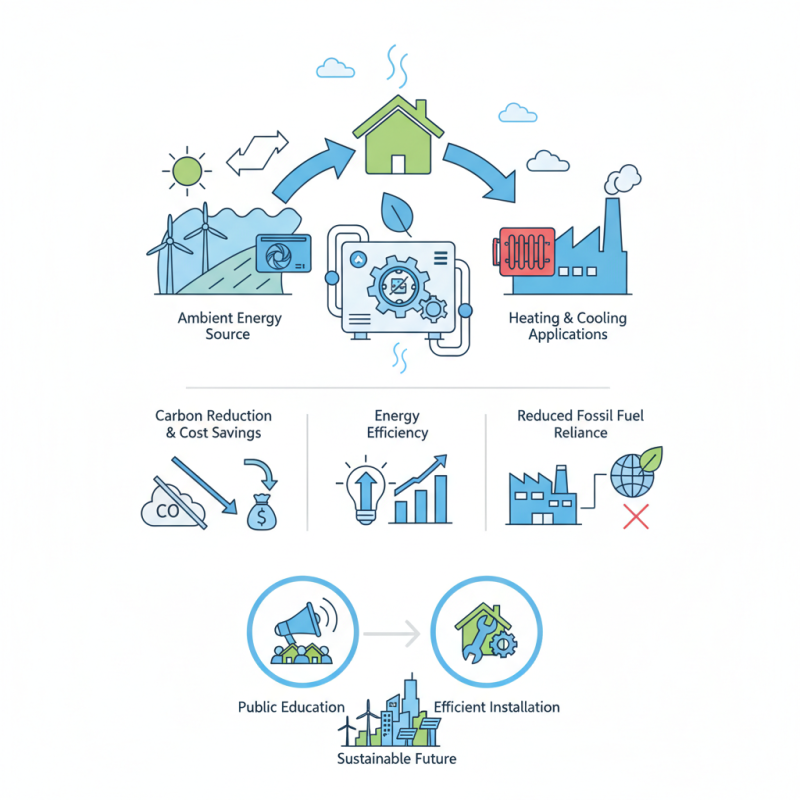
The Evi Heat Pump operates by transferring heat from one place to another, making it an ideal choice for heating and cooling applications. Its ability to utilize ambient energy sources is a crucial factor in lowering energy costs. However, the initial investment can be substantial, which raises questions about long-term financial feasibility for many users. Despite this, the potential savings in energy bills often outweigh the upfront costs, promoting wider adoption.
In a rapidly industrializing nation like China, integrating Evi Heat Pumps could significantly reduce reliance on fossil fuels. The challenge lies in the need for public education on this technology's benefits and efficient installation practices. If these hurdles are addressed, the Evi Heat Pump could lead the charge toward a more sustainable energy future.
Evi Heat Pumps: An Overview of Technology and Functionality
Evi heat pumps are transforming the landscape of energy solutions in China. These systems harness renewable energy to provide efficient heating and cooling. According to a report by the International Energy Agency (IEA), heat pumps could reduce global CO2 emissions by up to 70% if widely adopted. This significant reduction is vital for combating climate change.
Technologically, Evi heat pumps operate using a unique thermodynamic cycle. They extract heat from the air, ground, or water and transfer it into buildings. Efficiency is a strong point; these systems can achieve a coefficient of performance (COP) of 4 or higher. This means that for every unit of electricity consumed, four units of heat are produced. However, performance can drop in extreme cold conditions, which is a limitation that needs addressing.
Furthermore, the transition to these systems is not without challenges. Initial installation costs can deter consumers. Skilled labor is necessary for proper setup, adding to the complexity. Local infrastructure may also require updates to support heat pump technology. As more data emerges, addressing these issues will be key to broader adoption in China.
Key Advantages of Evi Heat Pumps in Energy Efficiency
Evi heat pumps are making a significant impact on energy efficiency in China. These systems can reduce energy consumption by as much as 30% compared to traditional heating methods. A recent report by the China Heat Pump Association highlights that their adoption can lead to substantial savings on energy bills. The systems utilize ambient air, making them more sustainable and cost-effective.
However, challenges remain. Installation costs might be high for some households. Additional training is needed for technicians to ensure proper setup and maintenance. According to industry experts, technical support must improve to maximize efficiency gains.
Tip: When considering an Evi heat pump, assess your local climate. These systems perform best in moderate to warm temperatures. A detailed energy audit can reveal potential savings and help you decide.
Moreover, Evi heat pumps offer a quieter operation than traditional heaters. This can enhance comfort in residential areas. Regular checks are vital to maintain their efficiency over time. Inconsistent maintenance could lead to a dip in performance, impacting overall energy savings.
Evi Heat Pump Advantages and How It Transforms Energy Solutions in China
Impact of Evi Heat Pumps on Renewable Energy Adoption in China
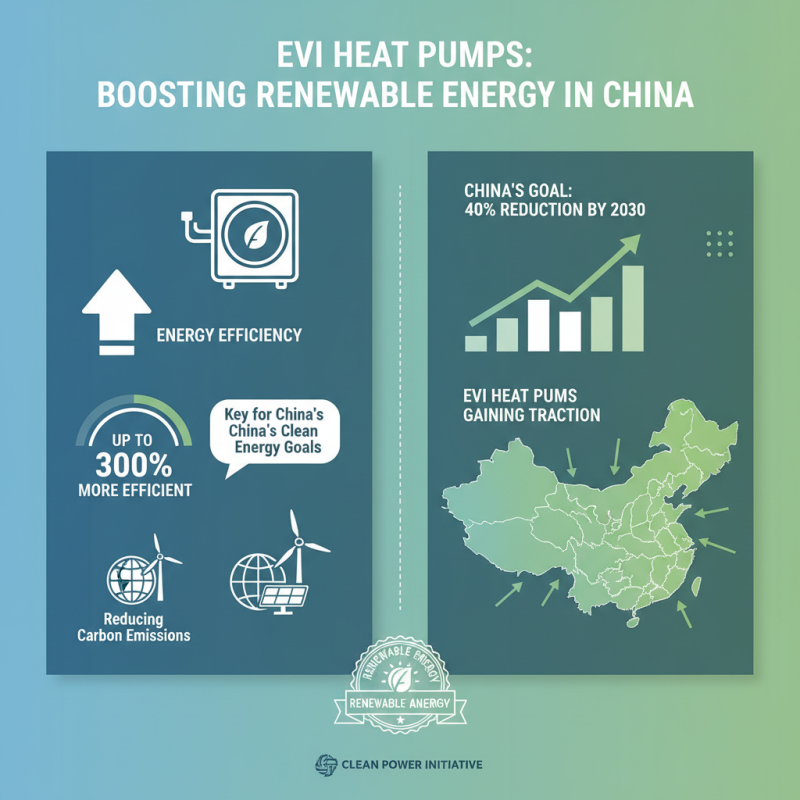
Evi heat pumps are gaining traction in China, significantly impacting the adoption of renewable energy. According to recent industry reports, these systems can enhance energy efficiency by up to 300%. This impressive efficiency is vital as China aims to reduce carbon emissions by 40% by 2030.
The integration of Evi heat pumps facilitates the use of renewable energy sources. They can operate efficiently with intermittent energy supply, such as solar and wind. Reports indicate that using these heat pumps can potentially increase the share of renewables in China’s energy mix by 20% by 2025. However, challenges remain. Existing infrastructure may not fully support these advanced systems, requiring significant investment.
Furthermore, there is a need for greater awareness among consumers. While the technology shows great promise, many are still hesitant due to the initial costs. As the market matures, continual education and technical support will be crucial. This will empower users to leverage the benefits of Evi heat pumps.
Case Studies: Evi Heat Pump Implementation Success Stories
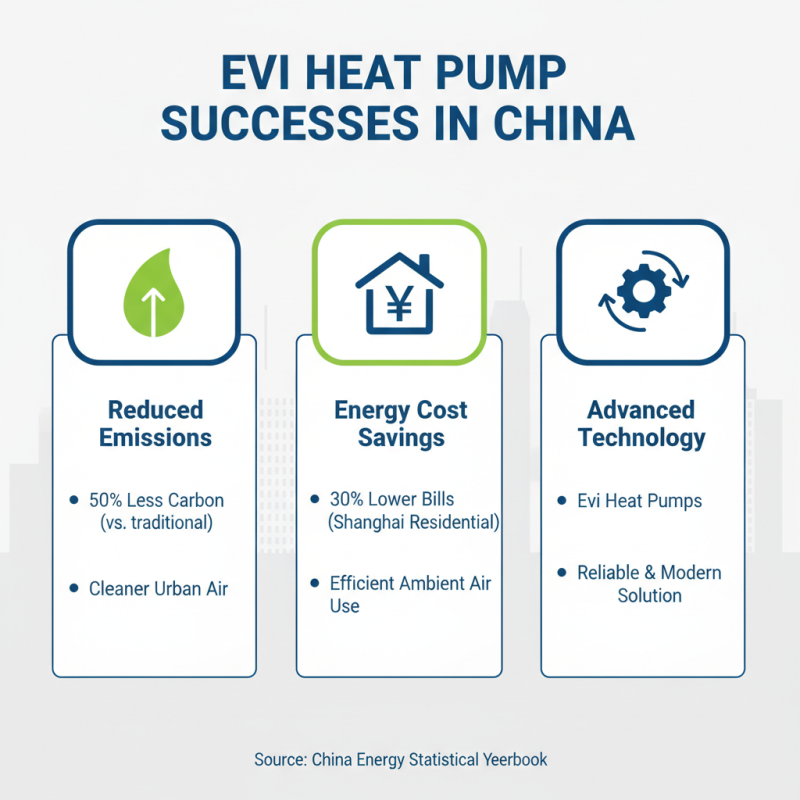
Evi heat pumps are reshaping energy solutions in China through various successful implementations. Many case studies show their effectiveness in reducing energy costs and emissions. For instance, a residential project in Shanghai reported a 30% decrease in annual energy bills. The heat pump technology utilizes the ambient air efficiently, particularly in urban settings. According to the China Energy Statistical Yearbook, this technology can lead to a 50% reduction in carbon emissions compared to traditional heating methods.
Another noteworthy case involved a commercial installation in Beijing. The facility achieved significant energy savings of over 25% within the first year. By integrating advanced monitoring systems, these heat pumps optimize energy use dynamically. Data from the International Energy Agency (IEA) confirms that heat pumps can achieve up to 400% efficiency, translating to substantial energy savings and sustainability.
**Tips:** Regular maintenance of heat pumps is crucial. Keeping filters clean can enhance efficiency further. Also, consider investing in smart control systems for better energy management. Engaging with local energy advisors can provide tailored insights to maximize performance.
Future Prospects: Evi Heat Pumps in China's Energy Transition Strategy
Evi heat pumps are gaining momentum in China's energy transition strategy. These devices harness renewable energy sources efficiently. Their ability to reduce carbon emissions is crucial. As the country strives for lower greenhouse gas outputs, these pumps play a significant role.
Adoption of Evi heat pumps presents challenges. There is a need for skilled technicians and adequate infrastructure. In rural areas, access remains limited. Education and training programs are necessary to overcome this gap. Many may not fully understand the technology.
Consumer acceptance is vital for a smooth transition. Public awareness campaigns about energy savings and environmental benefits can help. Promoting real-world case studies could drive interest. While the path forward is promising, it requires continuous effort and adaptation. The journey to a sustainable future is complex but essential.
Evi Heat Pump Advantages and How It Transforms China Top Energy Solutions? - Future Prospects: Evi Heat Pumps in China's Energy Transition Strategy
| Advantage |
Description |
Impact on Energy Solutions |
Future Prospects |
| Energy Efficiency |
Utilizes renewable energy sources more effectively than traditional systems. |
Reduces carbon footprint and dependence on fossil fuels. |
Increased adoption in residential and commercial sectors. |
| Cost Savings |
Lower operational costs compared to conventional heating systems. |
Makes heating and cooling more affordable for consumers. |
Potential for greater government incentives for energy efficiency. |
| Flexibility |
Can be used for both heating and cooling depending on the season. |
Addresses year-round climate control needs sustainably. |
Increases market demand across various climates. |
| Environmental Impact |
Significantly reduces greenhouse gas emissions. |
Supports national and global efforts towards sustainable energy. |
Aligns with environmental policies and commitments. |
| Technological Advances |
Integration with smart home technologies for optimized usage. |
Enhances user experience and energy management. |
Potential for innovation in energy storage and distribution. |