What is a Grain Dryer and How Does it Work?
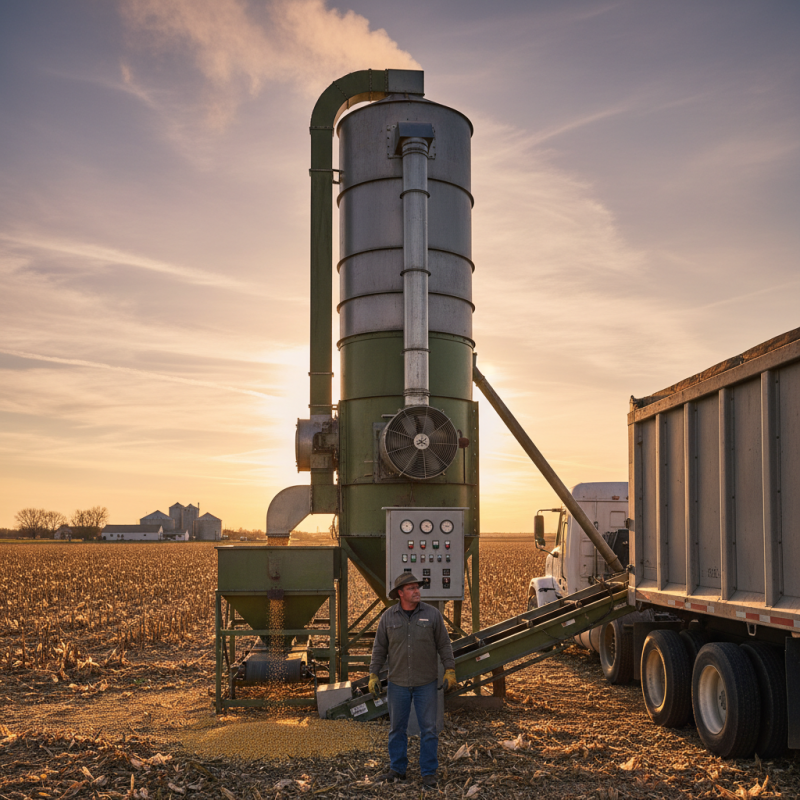
A Grain Dryer is an essential tool in agriculture. It helps preserve the quality of harvested grains. Farmers rely on this equipment to reduce moisture levels in crops. High moisture can lead to spoilage and loss of nutrients.
The process begins with loading freshly harvested grain into the dryer. Heat is generated, usually through gas or electricity. As warm air passes through the grain, moisture evaporates. This simple yet effective mechanism ensures grains remain safe for storage and transport.
However, it's not always perfect. There can be inconsistencies in drying. Some areas of the batch may not dry evenly. This can lead to quality issues if not monitored closely. Farmers must stay vigilant to avoid potential losses. Understanding the operation of a Grain Dryer is crucial for success.
What is a Grain Dryer?
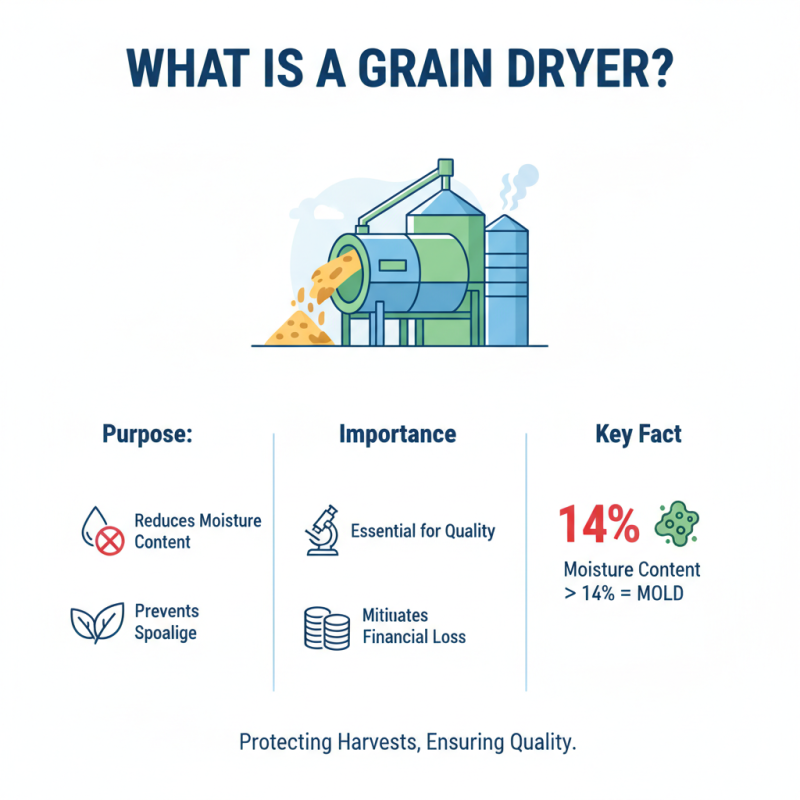
A grain dryer is a vital piece of equipment in agriculture. It helps farmers reduce the moisture content of harvested grains. Proper drying is essential for preventing spoilage. Research shows that grains with moisture levels above 14% can develop mold. This not only affects quality but can also cause significant financial loss.
Grain dryers use heat and air circulation to efficiently remove moisture. The process often involves heated air directed through a flow of grains. Various methods exist, each with different energy requirements. According to industry reports, efficient dryers can reduce drying time, saving about 20% of the total energy costs. However, many farmers may not fully understand the operational intricacies. Proper maintenance is often overlooked, which can lead to inefficiencies and higher operational costs.
Investing in technology is crucial. Reports indicate that advanced dryers can improve grain quality significantly. Yet, the initial investment can be daunting for small-scale farmers. Balancing cost and technology adoption remains a challenge in many regions. The gap between modern practices and traditional methods persists, inviting ongoing debate. This issue asks for reflection on agricultural progress and sustainability.
The Importance of Grain Drying in Agriculture
Grain drying plays a crucial role in agriculture. Moisture content is vital for grain quality. According to the USDA, grains with over 14% moisture can spoil easily. Proper drying reduces this risk and helps ensure long-term storage.
Inadequate drying can lead to significant losses. Reports indicate that corn and wheat can lose up to 30% of their value if moisture levels exceed safe limits. This loss affects farmers’ incomes and supply availability. Effective grain dryers help maintain optimal moisture. They allow for better pricing and storage options.
However, not all drying methods are efficient. Some farmers still rely on outdated practices. These can lead to uneven drying and further losses. Investing in modern drying technology is essential for sustainability. Nevertheless, the initial costs may challenge smaller farms. Balancing cost and efficiency is a constant struggle. Grain drying is essential, but it requires careful planning and investment.
How Grain Dryers Operate: Basic Principles
Grain dryers are essential tools in agriculture. They help reduce moisture content in grains. This process is vital for preservation and storage. According to a recent industry report, improper drying can lead to a 10-20% loss in grain quality. That's significant for producers.
How do grain dryers work? They operate on basic principles of heat and airflow. Hot air is circulated through the grains. This heat evaporates moisture. A study indicates that a well-calibrated dryer can reduce moisture content from 20% to 13% in just a few hours. However, if temperatures are too high, it can damage the grain. This balance is crucial but often overlooked.
Operators must monitor several factors. The temperature, humidity, and airflow must be adjusted based on the grain type. For instance, corn requires different treatment compared to wheat. Some dryers struggle to maintain consistent conditions, leading to inconsistent results. This inconsistency can be detrimental, especially during peak harvest seasons. Ongoing training in dryer operation is often necessary but not always prioritized.
What is a Grain Dryer and How Does it Work? - How Grain Dryers Operate: Basic Principles
| Feature |
Description |
Benefits |
| Purpose |
Removes moisture from grain to prevent spoilage |
Enhances storage life and quality of grain |
| Types |
Batch, Continuous Flow, and Mixed-Flow dryers |
Flexibility to suit different farming needs |
| Working Principle |
Heating air to reduce moisture content |
Efficient drying with controlled conditions |
| Energy Source |
Natural gas, propane, electricity, or biomass |
Variety of options for energy efficiency |
| Moisture Control |
Automatic sensors regulate drying process |
Prevents over-drying and preserves quality |
| Maintenance |
Regular inspections and cleaning |
Ensures longevity and optimal performance |
Types of Grain Dryers and Their Applications
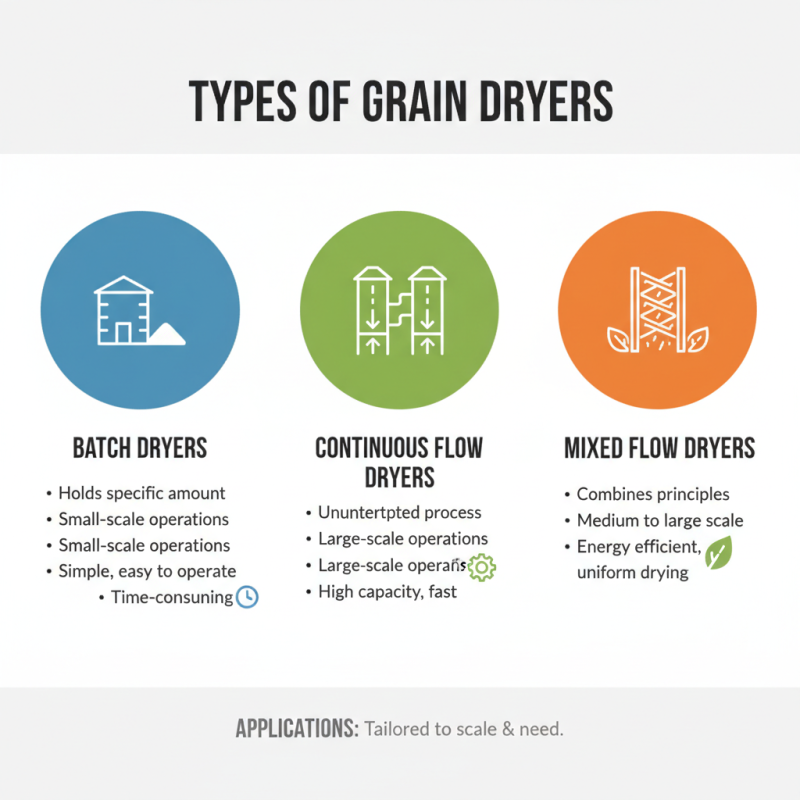
Grain dryers come in various types, each designed for specific applications. The most common types include batch dryers, continuous flow dryers, and mixed flow dryers. Batch dryers hold a specific amount of grain at once. They are ideal for small-scale operations. Their simplicity makes them easy to operate, but they can be time-consuming.
Continuous flow dryers, on the other hand, allow grain to move through the system constantly. This type is efficient for larger operations. They reduce downtime but require careful monitoring to ensure uniform drying. Mixed flow dryers combine elements of both batch and continuous systems. They offer flexibility but can be more complex to manage.
Farmers often face challenges when choosing a dryer. Factors like grain type, moisture level, and local climate influence their decision. Not all dryers perform equally in different conditions. It’s crucial to consider these details for better results. Selecting the right dryer can lead to improved grain quality and economic benefits, but sometimes, mistakes are made. It’s a learning process that requires reflection and adaptation.
Factors Influencing the Efficiency of Grain Dryers
Grain dryers play a crucial role in agriculture. Their efficiency significantly influences grain quality and market value. Several factors affect how well these dryers perform.
Moisture levels in the grain at harvest time impact drying efficiency. According to industry reports, high initial moisture can lead to longer drying times. This can increase energy costs. A study by the USDA suggests maintaining grain moisture below 14% for optimal results.
Airflow is another critical factor. The right airflow removes moisture effectively. Low airflow can increase drying time, while high airflow may lead to grain damage. Farmers often overlook adjusting airflow based on grain type. This oversight can lead to inconsistent drying.
Tips: Regular maintenance of the dryer is essential. A well-maintained dryer operates efficiently. Checking for blockages can save energy.
Temperature control is vital. High temperatures can harm grain quality. Setting appropriate drying temperatures based on grain type boosts efficiency.
Hot air drying systems are often preferred due to their effectiveness. But, they may require more energy. In contrast, natural air drying is less energy-intensive but slower. Finding the right balance is key to successful grain drying.
Efficiency Factors of Grain Dryers