What is a Mini Split Heat Pump and How Does It Work?
Mini Split Heat Pumps have gained popularity for their efficiency and flexibility. These systems provide heating and cooling in one compact unit, making them ideal for various spaces. They operate through an outdoor unit and one or more indoor units, allowing for individual room temperature control.
Understanding how a Mini Split Heat Pump works is essential for homeowners. It utilizes refrigerant to transfer heat between the inside and outside. While installation can be straightforward, some challenges may arise, such as improper sizing or placement of units. It's crucial to consult with an expert to ensure optimal performance.
The benefits of these systems are numerous, including energy savings and reduced environmental impact. However, they can also have their limitations, such as higher upfront costs. Evaluating both the advantages and drawbacks is vital for making informed decisions about home heating and cooling options.
What is a Mini Split Heat Pump?
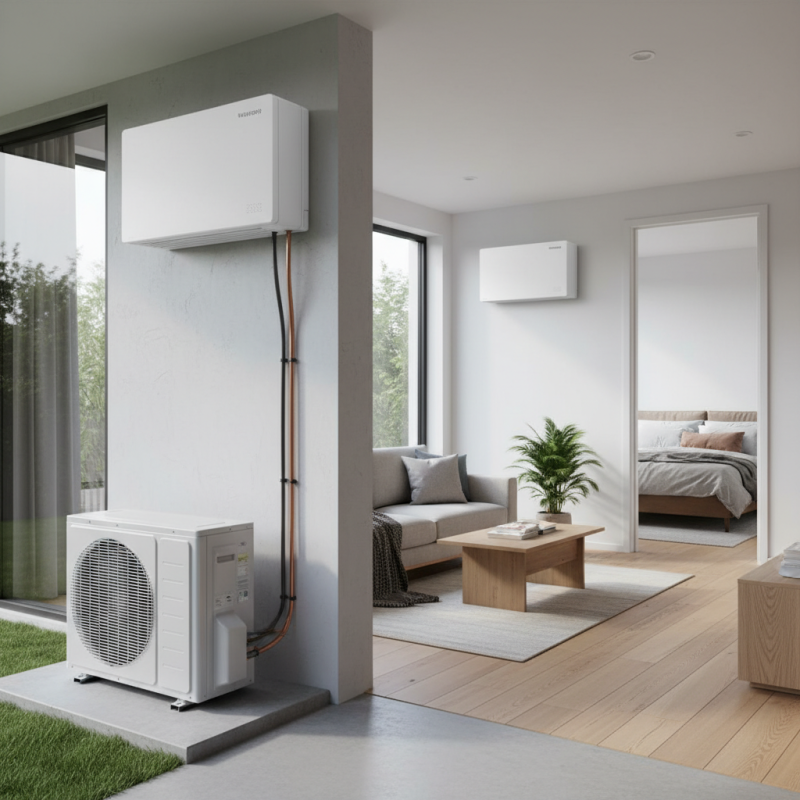
A mini split heat pump is a versatile system for heating and cooling. It consists of an outdoor unit and one or more indoor units. These units are linked by refrigerant lines. This setup allows for efficient temperature control in specific zones of a building.
In a mini split system, the outdoor unit absorbs heat from the outside air. This heat is transferred to the indoor units, providing warmth in colder months. Conversely, during hot weather, the system reverses its function. It removes heat from inside and releases it outdoors. This dual functionality makes mini splits popular for various climates.
Tips: Regular maintenance can boost performance. Clean the filters monthly to ensure optimal airflow. Consider installing units in high-traffic areas for consistent comfort. Avoid placing furniture in front of the indoor units to maintain airflow.
While mini splits offer flexibility, installation can be tricky. Proper positioning is essential for efficiency. Ensure the outdoor unit has sufficient space for airflow and maintenance access. When considering a mini split, consult with a professional for tailored advice. This could save you time and money long-term.
Components of a Mini Split Heat Pump System
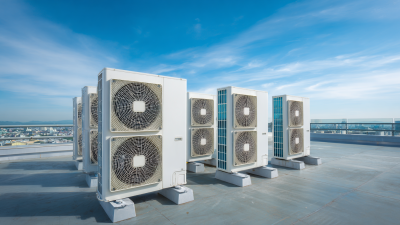
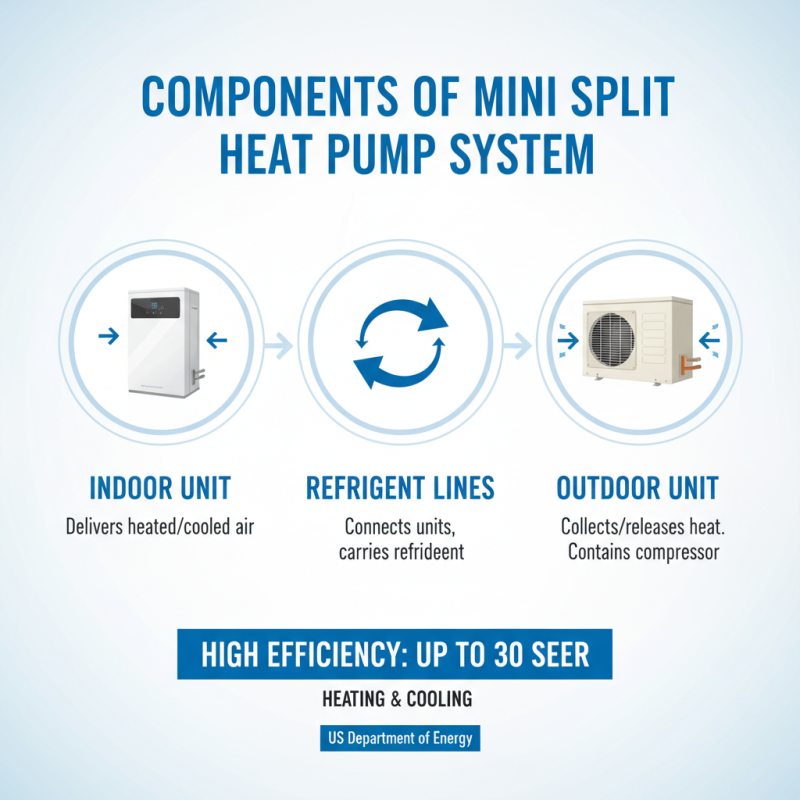
A mini split heat pump system consists of several key components. The primary parts include an indoor unit, an outdoor unit, and the refrigerant lines that connect them. The outdoor unit collects heat from the outside air, even in colder temperatures. It utilizes a compressor to pump refrigerant, which is critical to the system's operation. According to the U.S. Department of Energy, mini splits can achieve efficiencies of up to 30 SEER, making them an efficient option for heating and cooling.
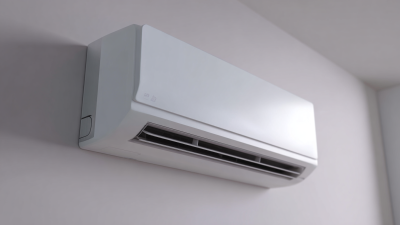
Inside, the indoor unit disperses heated or cooled air throughout the space. Each indoor unit can be controlled individually, providing flexibility and potential energy savings. A study from the American Society of Heating, Refrigerating and Air-Conditioning Engineers (ASHRAE) highlights the benefits of zoning capabilities, enabling users to heat or cool only occupied rooms. However, installation can be complex and may require professional expertise to optimize performance.
The refrigerant lines, often copper, transfer heat between the indoor and outdoor units. Proper insulation of these lines is crucial to maintain efficiency. Neglecting this aspect can lead to performance issues. Research shows that improper installation can reduce the overall efficiency by up to 25%. Therefore, attention to detail during installation is paramount for achieving optimal energy savings and system longevity.
How Does a Mini Split Heat Pump Work?
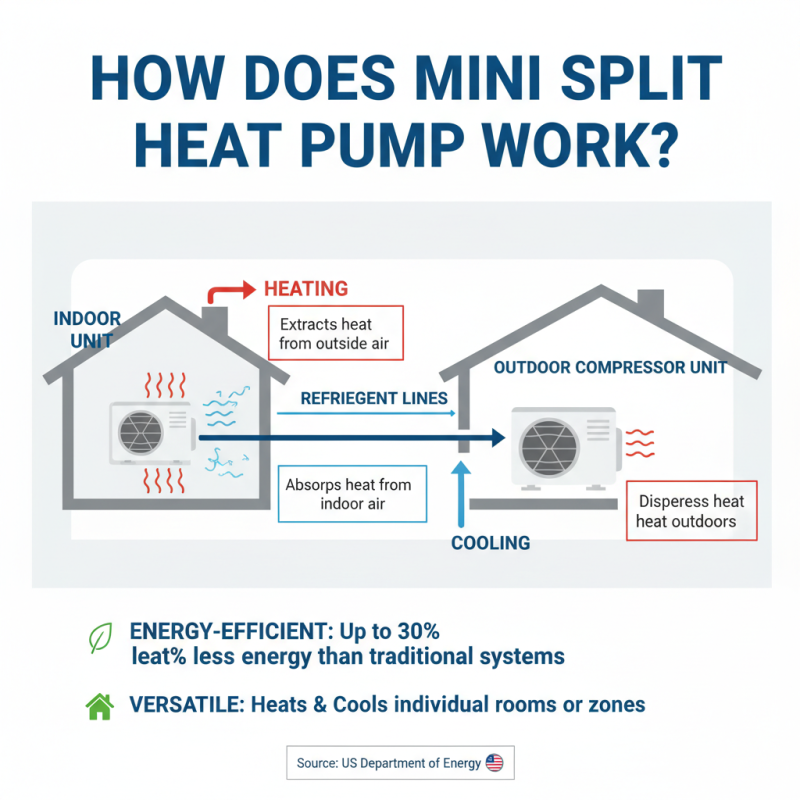
A mini split heat pump operates through a unique system combining heating and cooling functionalities. It consists of an indoor air-handling unit and an outdoor compressor unit. These components work together to transfer heat, making them energy-efficient solutions for temperature regulation in various spaces. According to the U.S. Department of Energy, mini split heat pumps can reduce energy consumption by up to 30% compared to traditional systems.
The mini split heat pump draws in outdoor air, extracting heat from it during the heating mode. This process utilizes the refrigerant to absorb and release heat, allowing the indoor unit to circulate warm air. In cooling mode, the cycle reverses, removing heat from the indoor air and releasing it outdoors. This adaptability is crucial, especially in regions with fluctuating climates. However, installation may not be straightforward and can pose challenges for some homeowners, requiring professional expertise.
In terms of efficiency, mini split systems often have a Seasonal Energy Efficiency Ratio (SEER) rating of 15 or higher. Higher ratings indicate better performance. However, users must consider specific factors like insulation, location, and unit placement for optimal results. Assessing these elements can lead to significant energy savings in the long run, yet often, homeowners overlook them initially. The complexity of employing a mini split heat pump invites questions and requires careful planning.
Advantages of Using Mini Split Heat Pumps
Mini split heat pumps have gained popularity for their efficiency and versatility.
These systems can effectively heat or cool individual rooms.
According to the U.S. Department of Energy, they can provide energy savings of
30-40% compared to traditional HVAC systems. This efficiency is especially important for homeowners
aiming to reduce energy bills.
One major advantage of mini split heat pumps is their ease of installation.
Unlike traditional systems, they don't require ductwork. This feature can significantly lower installation costs and time.
Moreover, they allow for zoning. Homeowners can control the temperature in specific areas, which is a huge benefit for energy management.
However, mini split heat pumps do have limitations.
Their initial cost can be higher than some traditional systems.
Some may find the indoor units less aesthetically pleasing than central air vents.
Additionally, not all models perform equally well in extremely cold climates.
It’s essential to research and consult professionals before deciding.
A well-informed choice can enhance comfort while minimizing drawbacks.
Installation and Maintenance of Mini Split Heat Pumps
Installing a mini split heat pump requires careful planning and expertise. During installation, it's essential to choose an optimal location for the indoor and outdoor units. According to recent industry studies, proper placement can enhance efficiency by up to 30%. Additionally, the outdoor unit should be positioned away from direct sunlight and obstructions to ensure maximum airflow.
Maintenance plays a crucial role in the longevity and efficiency of these systems. Regular cleaning of filters is necessary. Reports suggest that unclean filters can reduce system efficiency by around 15%. Homeowners should also schedule professional inspections annually. Technicians can identify potential issues before they escalate, preventing costly repairs.
In some cases, DIY maintenance may not be sufficient. Homeowners might overlook complex components requiring professional attention. Neglecting these can lead to breakdowns at inopportune times. It's evident that a well-maintained mini split heat pump operates more efficiently and reliably, underscoring the importance of commitment to routine care.
What is a Mini Split Heat Pump and How Does It Work?
| Dimension |
Value |
| Type |
Ductless Mini Split Heat Pump |
| Heating Capacity |
9,000 - 36,000 BTU/h |
| Cooling Efficiency (SEER) |
Up to 30 SEER |
| Heating Efficiency (HSPF) |
Up to 10 HSPF |
| Temperature Range |
-5°F to 75°F |
| Installation Type |
Wall-mounted and floor-mounted options |
| Installation Duration |
4 - 8 hours |
| Maintenance Frequency |
Annual maintenance recommended |
| Average Lifespan |
15 - 20 years |