Top Fruit Dryers for Home Use What to Look For
When it comes to preserving fresh fruit, fruit dryers are an excellent choice. They allow you to enjoy your favorite snacks year-round. Choosing the right fruit dryer can be a challenge. With so many options, it's easy to feel overwhelmed.
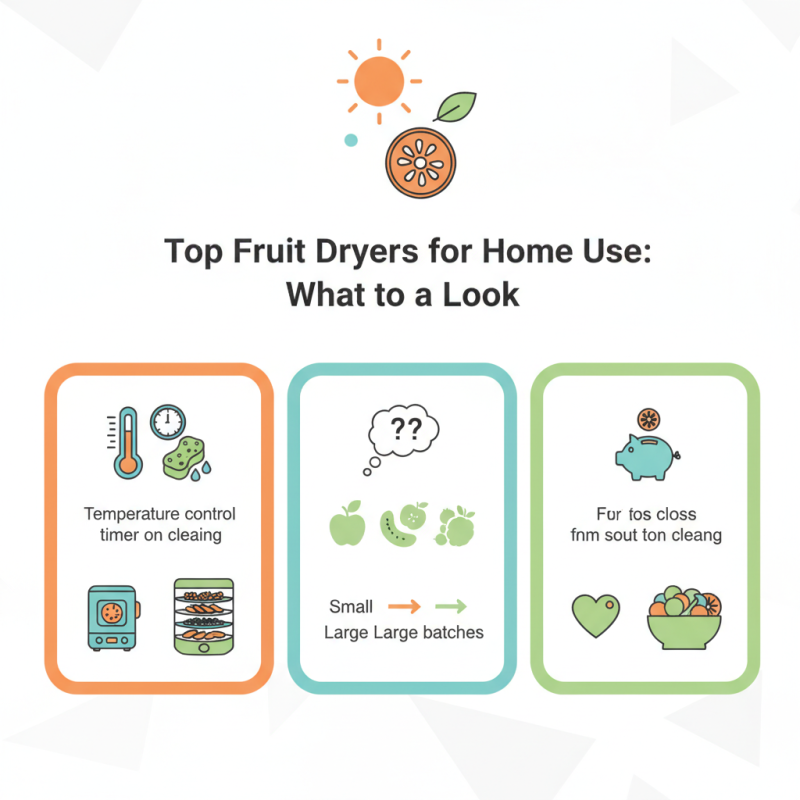
Quality matters in fruit dryers. Consider features like temperature control, timer settings, and ease of cleaning. A reliable model ensures that your fruit dries evenly, retaining its natural flavors and nutrients. Think about the size, too. A compact design can fit nicely in any kitchen space but may limit your batch size.
It's essential to reflect on your drying needs. Will you be drying small batches or large ones? What fruits do you plan to work with? These questions help guide your decision. Remember, investing in a good fruit dryer pays off. Enjoying homemade dried fruit is rewarding but requires careful selection and attention.
Choosing the Right Fruit Dryer for Your Home: Key Features to Consider
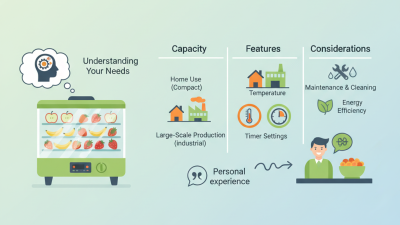
When selecting a fruit dryer for home use, focus on key features that matter most. The capacity of the dryer is crucial. Depending on your storage needs, you might want a model that can handle large batches. Not all dryers are created equal; some may take up more space than you have available.
Temperature control is another vital aspect. A precise setting allows better preservation of flavor and nutrients. Some models offer adjustable settings, which can be useful for different fruits. Furthermore, consider the energy efficiency of the appliance. A fruit dryer that consumes less power can save you money over time.
Don't overlook the ease of cleaning. Removable trays simplify maintenance. Look for designs that prevent sticky residue from building up. Lastly, think about noise levels. A quieter model might be ideal for your home environment.
Balancing these features ensures you pick the right fruit dryer for your needs, but remember, compromise may be necessary. You may not find a perfect model that meets all your desires.
Understanding Different Types of Fruit Dryers: Dehydrators vs. Ovens
When it comes to drying fruit at home, two main options stand out: dehydrators and ovens. Dehydrators are designed specifically for drying food. They provide consistent heat and airflow, ideal for preserving nutrients and flavor. With adjustable settings, these machines allow you to customize the drying process for various fruits.
On the other hand, many still use their ovens for fruit drying. This method is not as specialized, but it can work. The oven needs to be set to low temperatures, usually around150°F. This can take longer and may not yield the same results as a dehydrator. However, it’s a common choice for those who want to utilize tools they already own.
Both methods have their pros and cons. Dehydrators may require an upfront investment, but they often yield better quality. Ovens are accessible but can be less efficient. Consider your needs and how often you’ll dry fruit. Trying both methods might be wise to see which delivers the best results for your favorite fruits.
Top Fruit Dryers for Home Use - What to Look For
| Type |
Capacity (lbs) |
Temperature Range (°F) |
Drying Time (Hours) |
Features |
| Electric Dehydrator |
5-10 |
95 - 165 |
4-12 |
Adjustable Temperature, Timer |
| Convection Oven |
10-20 |
150 - 200 |
6-12 |
Multi-function, Toasting |
| Solar Dehydrator |
10-30 |
Varies |
8-24 |
Eco-friendly, Portable |
| Air Fryer |
3-5 |
140 - 400 |
2-4 |
Rapid Air Technology, Compact |
| Microwave |
1-5 |
Low Power Settings |
1-3 |
Quick Drying, Easy to Use |
Capacity and Size: Finding the Perfect Fit for Your Kitchen Needs
When selecting a fruit dryer for home use, capacity and size are crucial factors. The right dimensions can greatly influence your food preservation experience. A smaller dryer may be sufficient for personal use, while a larger family batch may require more space. According to a report by the Food Preservation Network, nearly 70% of home users prefer dehydrators with a capacity of 5 to 9 trays. This range typically allows for drying a significant amount of fruit without taking up too much kitchen space.
It's essential to measure your available kitchen area. Consider countertop space and storage for when the dryer is not in use. Many consumers report frustration when their chosen dryer doesn't fit comfortably in their kitchen. You should also think about how much fruit you plan to dehydrate. If you frequently dry fruit in bulk for snacks, aim for a model with at least 8 trays.
Tip: Check the weight of the dryer. A light model can be easier to handle and store. Also, consider stackable designs that can help maximize your kitchen space.
When deciding on size, remember to factor in the drying method. Some designs circulate air differently, affecting the drying time and quality. You may need to adjust your expectations based on the dryer’s size and the volume of fruit you intend to manage. Proper research can ensure that your purchase aligns with your kitchen needs.
Energy Efficiency and Operating Costs of Home Fruit Dryers
When selecting a home fruit dryer, energy efficiency becomes a crucial factor. According to a report by the U.S. Department of Energy, fruit dryers typically consume between 300 to 600 watts of power. This equals an estimated energy cost ranging from $0.03 to $0.10 per hour. If used consistently, this can add up significantly over a season. Opting for models with better insulation and advanced technology can reduce these costs.
Operating costs should also consider drying time. Many models take anywhere from 6 to 12 hours to dry fruits thoroughly. The time can vary based on the type of fruit and the dryer’s capacity. Evaluating your specific needs is essential. A larger capacity may seem beneficial, but if it remains underutilized, energy efficiency decreases, leading to unnecessary expenses.
Additionally, some units may require pre-heating, which increases energy consumption. A recent study pointed out that pre-heating could add an extra 20% to the total energy usage of a dryer. Therefore, weigh the pros and cons carefully. Though the initial investment in an energy-efficient model might seem high, the long-term savings justify the choice. Always consider both upfront costs and ongoing energy expenses for the best decision.
Essential Maintenance Tips for Long-lasting Fruit Dryers
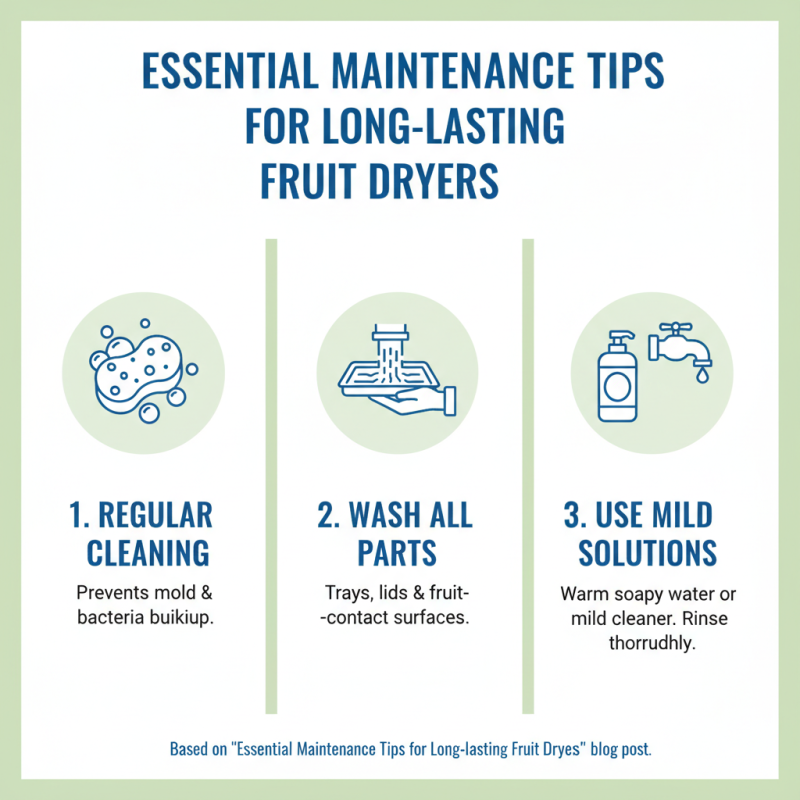
When choosing a fruit dryer for home use, maintenance is crucial. Regular cleaning helps avoid mold and bacteria buildup. Clean the trays, lids, and any other parts that come into contact with fruit. Use warm soapy water or a mild cleaning solution. Rinse thoroughly to prevent any residue.
Inspect the seals and fans periodically. A well-functioning fan ensures even drying, so replace it if it becomes noisy or less effective. Occasionally, check the heating elements for any signs of damage. This proactive step can prevent larger issues later.
Store your fruit dryer in a dry place. Moisture can damage both the unit and future fruit batches. Additionally, consider running your dryer at a lower setting occasionally. High heat can affect the longevity of components. Take notes on usage and performance patterns to identify any irregularities. This can help extend the life of your dryer.