Top 10 Grain Dryer Solutions for Global Buyers to Consider?
The global demand for grain dryers continues to rise. As Steve Collins, a renowned expert in the grain handling industry, once remarked, "Choosing the right grain dryer can make or break your harvest." This highlights the importance of selecting effective drying solutions.
Grain dryers are vital for maintaining grain quality. They prevent spoilage and preserve nutritional value. However, not all grain dryers meet the diverse needs of global buyers. The options are vast and can be overwhelming.
As farmers seek reliable solutions, they often face tough decisions. Whether it's efficiency, capacity, or cost, there are many factors to consider. Each choice presents unique advantages and challenges. Understanding these nuances is crucial for making informed decisions in the grain dryer market.
Overview of Grain Dryer Technologies Available Worldwide
Grain dryer technologies play a crucial role in agriculture worldwide. They help preserve quality and prevent spoilage in harvested crops. Various methods exist, each with unique features. For instance, some dryers utilize heated air to remove moisture efficiently. Others rely on contact drying with heated surfaces.
Innovation in grain drying includes solar-powered units. These eco-friendly options are gaining popularity. They reduce operational costs and carbon footprints. However, their efficiency can vary based on sunlight availability. Farmers must consider location and climate when choosing a technology. Traditional batch dryers are still reliable. They offer durability but may lack in energy efficiency. Finding the right balance between cost and effectiveness can be challenging.
Automation is another growing trend. Advanced systems allow remote monitoring and automated adjustments. Yet, these systems might require significant initial investment. The steep learning curve can be a hurdle for some users. Farmers should carefully evaluate training needs before undertaking automation. Each technology has strengths and weaknesses, and understanding them is vital.
Key Features to Evaluate in Grain Dryers
When selecting a grain dryer, key features are crucial for ensuring efficient operations. Capacity is a primary consideration. A dryer must handle the volume of grain your operation processes. According to industry standards, the average grain dryer capacity in commercial use ranges from 1,000 to over 10,000 bushels per hour. Choose a dryer that meets your seasonal peak demands.
Energy efficiency emerges as another vital factor. Data from the National Association of State Departments of Agriculture show that energy consumption represents a considerable portion of operating costs. A well-rated dryer can save up to 40% on energy compared to older models. Look for features like adjustable airflow and insulation designed for improved performance.
Durability and maintenance are often overlooked yet essential. A grain dryer with robust construction minimizes downtime and maintenance costs. Reports indicate that regular maintenance can extend a dryer’s lifespan by 30%. Consider models with easy access for repairs and simple parts replacement. This thoughtful approach to design can lead to ongoing efficiencies and lower long-term expenses.
Comparative Analysis of Top Grain Dryer Brands
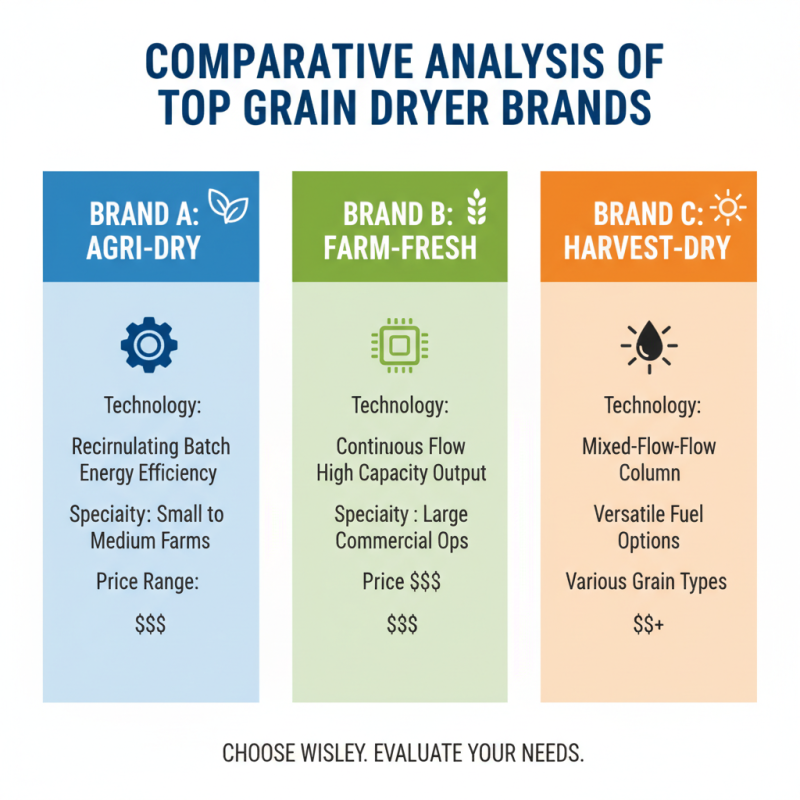
When it comes to grain drying, various brands offer different solutions. Each brand showcases unique features and technology, making them appealing for diverse buyers. Evaluating these aspects helps in making informed decisions.
One key consideration is efficiency. Certain brands emphasize energy use, while others focus on drying speed. Users must weigh the benefits against operation costs. Additionally, the design and capacity of the dryers matter. Some allow for large batch processing, while others cater to smaller farms.
Another critical factor is maintenance. Some models require frequent servicing, leading to potential downtime. Meanwhile, others boast user-friendly designs with minimal upkeep. Buyers should reflect on their specific needs and long-term goals to find the right balance. This comparative analysis requires careful thought, as making the wrong choice can impact productivity.
Cost-Effectiveness of Different Grain Drying Solutions
When considering grain drying solutions, cost-effectiveness is a primary concern for buyers worldwide. Various methods exist, each with unique benefits. Traditional drying techniques tend to be labor-intensive and less efficient. Modern systems, while advanced, can involve significant initial investments. The right balance between cost and performance is vital.
Tips: Assess the energy source required for your dryer. Solar power can be a cost-effective alternative but depends on climatic conditions. If possible, choose portable dryers. They help adapt to different harvesting conditions and minimize infrastructure expenses.
Investing in advanced drying technology may seem daunting. Evaluate total operational costs over time. Sometimes, low initial costs result in higher maintenance fees. Perform a comprehensive analysis to determine long-term financial implications.
Tip: Seek real-world user reviews on different dryer types. Engaging with farmers can yield insights into performance and reliability. These discussions can reveal hidden costs, increasing your chance of making the best choice.
Sustainability and Energy Efficiency in Grain Drying Systems
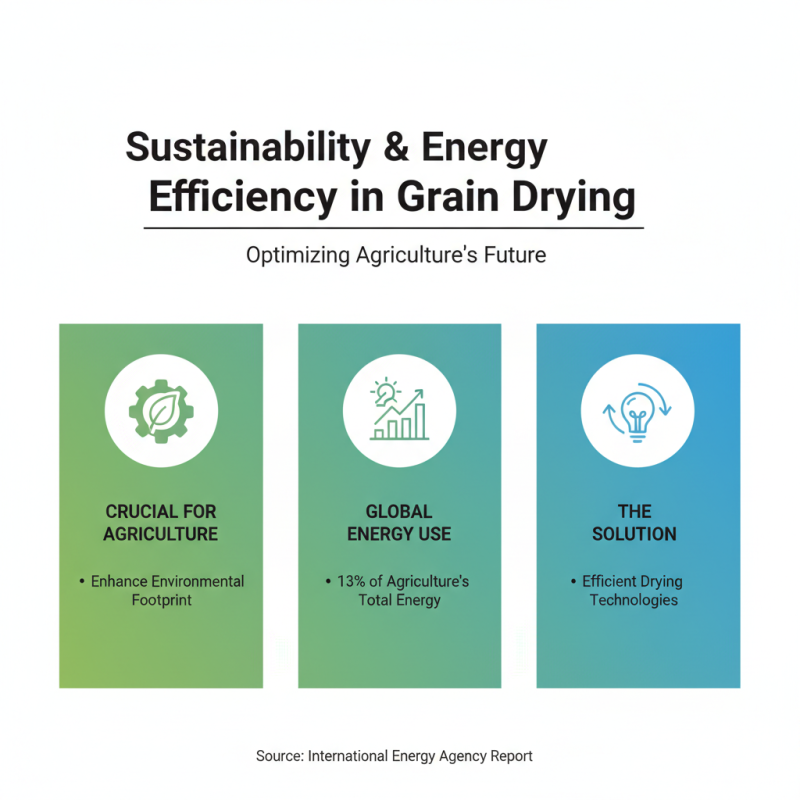
Sustainability and energy efficiency are crucial in today's grain drying systems. The global agricultural sector recognizes that improving energy use can significantly enhance their environmental footprint. According to a report from the International Energy Agency, grain drying accounts for around 13% of the total energy use in agriculture. This highlights the importance of focusing on efficient drying technologies.
Modern grain dryers are designed to minimize energy consumption. Advanced models utilize heat recovery systems which can capture and reuse thermal energy. These systems can reduce energy requirements by up to 30%. Furthermore, incorporating renewable energy sources, such as solar or biomass, can further enhance sustainability. A review by the United Nations Food and Agriculture Organization suggests that integrating such technologies could cut greenhouse gas emissions by significant margins.
While progress is evident, challenges remain. Many farmers still rely on outdated drying methods that lead to excessive energy use and higher costs. Transitioning to energy-efficient systems often requires initial capital investment which can be a barrier. Continuous education and incentives for these technologies will be crucial to promoting wider adoption in the agricultural community. As stakeholders explore drying solutions, the focus must remain on sustainable practices that benefit both the environment and the economy.