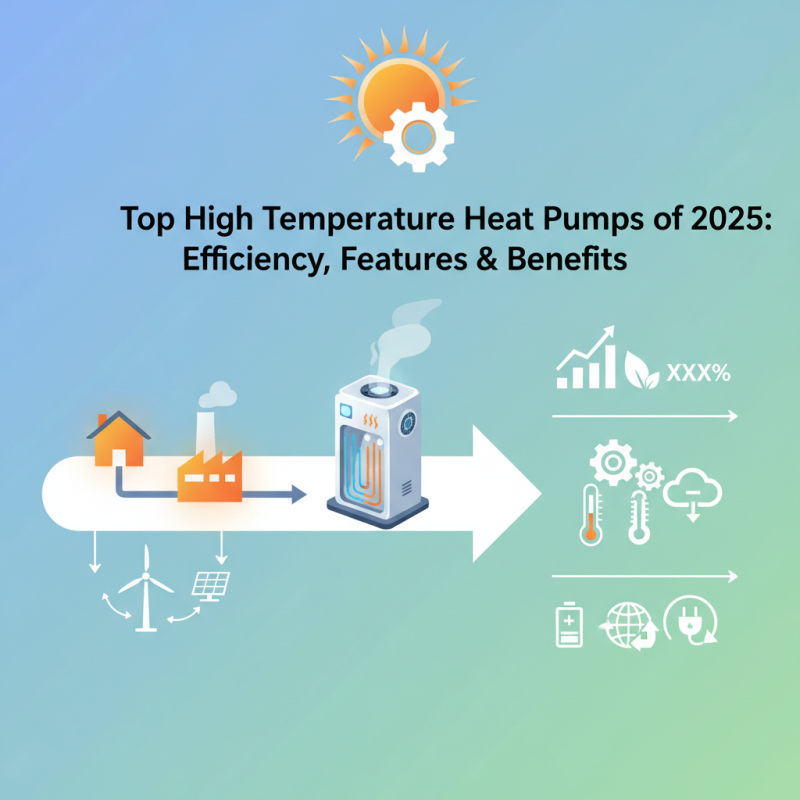
Top High Temperature Heat Pumps of 2025: Efficiency, Features & Benefits
As we look ahead to 2025, the evolution of energy-efficient technologies continues to be a focal point for both consumers and industries striving for sustainability. Among these innovations, High Temperature Heat Pumps are emerging as pivotal assets in decarbonizing heating systems across various applications. These advanced systems not only promise enhanced efficiency but also offer a myriad of features and benefits that cater to the growing demand for environmentally friendly heating solutions.
High Temperature Heat Pumps are designed to operate effectively at elevated temperatures, making them suitable for a range of applications from residential heating to industrial processes. Their ability to harness renewable energy sources and convert them into high-temperature heating is a game-changer for sectors traditionally reliant on fossil fuels. In this overview, we will explore the cutting-edge features of these systems, their benefits in reducing greenhouse gas emissions, and their role in supporting the shift towards a more sustainable energy landscape. The focus on efficiency and innovation in High Temperature Heat Pumps signifies a vital stride in achieving climate goals and promoting energy independence.
Top High Temperature Heat Pumps: Understanding the Technology Behind Them
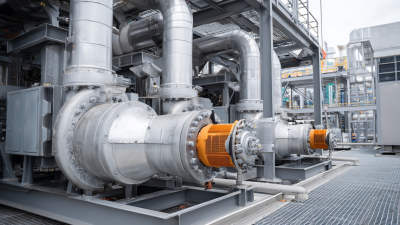
High temperature heat pumps are increasingly becoming a vital solution for industries aiming to reduce their carbon footprint while maintaining operational efficiency. These advanced systems operate at higher temperatures than standard heat pumps, typically exceeding 80°C, making them ideal for processes in sectors like food and beverage, pharmaceuticals, and chemical manufacturing. According to a report by the International Energy Agency (IEA), the use of heat pumps in industrial applications could reduce energy consumption by up to 30% compared to traditional heating methods, while also significantly lowering greenhouse gas emissions.
The technology behind high temperature heat pumps relies on advancements in refrigerants and compressor design. Newer refrigerants have higher pressure capabilities, allowing the pumps to achieve the necessary temperature lifts without compromising efficiency. Studies suggest that with these innovations, the coefficient of performance (COP) of high temperature heat pumps can reach values as high as 5.0. This means that for every unit of electricity consumed, the system can deliver up to five units of useful heat, showcasing the potential for energy savings and operational cost reductions.
Moreover, integrating high temperature heat pumps with renewable energy sources further enhances their sustainability. When powered by solar or wind energy, these systems can provide a near-zero carbon heating solution. According to a report published by the Global Renewable Energy Agency (IRENA), utilizing such systems in combination with renewables can lead to a 50% reduction in emissions from industrial heating on a global scale by 2030. As the market for high temperature heat pumps continues to evolve, understanding their technology and benefits becomes crucial for industries looking to innovate and implement greener solutions.
Efficiency Ratings: How Top Models Compare in Performance
When it comes to selecting high temperature heat pumps in 2025, efficiency ratings have become a critical factor in determining performance. Modern heat pumps are often rated based on their Seasonal Energy Efficiency Ratio (SEER) and Heating Seasonal Performance Factor (HSPF), which provide insight into their energy consumption relative to the heating output they provide. The highest-rated models showcase impressive SEER scores and improve HSPF ratings, suggesting greater energy savings and performance during peak operation.
In addition to efficiency ratings, these top heat pumps incorporate advanced features that enhance their overall functionality. Many models are designed with variable speed motors that allow for more precise control over heating and cooling, adapting seamlessly to changes in indoor climates. Additionally, features such as smart thermostats facilitate remote monitoring and control, allowing users to maximize efficiency around their schedules. These innovations not only bolster performance ratings but also contribute to a higher level of convenience and user satisfaction, making high temperature heat pumps a valuable investment for energy-conscious consumers.
Top High Temperature Heat Pumps of 2025: Efficiency Ratings
This bar chart compares the efficiency ratings of several top-performing high temperature heat pumps of 2025. The efficiency is measured in Coefficient of Performance (COP), showcasing how effectively the units convert energy input into heat output.
Innovative Features of 2025 Heat Pumps: What to Look For
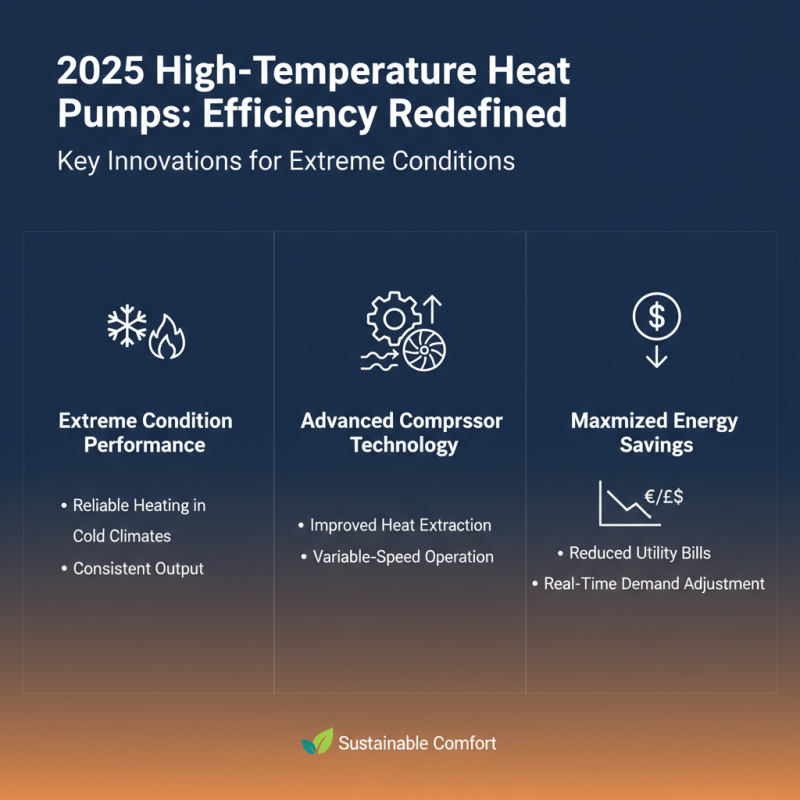
When considering the innovative features of high-temperature heat pumps in 2025, efficiency takes center stage. Modern heat pumps are designed to operate at optimal performance levels, even in extreme conditions. They utilize advanced compressor technologies that improve their ability to extract heat from the environment, allowing for consistent heating output even at lower ambient temperatures. Features such as variable-speed compressors enable these units to adjust their operation based on real-time demand, maximizing energy use and significantly reducing utility bills.
Another critical advancement is the integration of smart technologies. With the rise of home automation, 2025 heat pumps are equipped with sophisticated control systems that allow users to remotely monitor and adjust their settings via smartphone apps. This not only enhances convenience but also provides insights into energy consumption patterns, empowering homeowners to make informed decisions about their heating needs. Furthermore, compatibility with renewable energy sources, like solar panels, ensures that these heat pumps can operate sustainably, reducing reliance on fossil fuels and minimizing environmental impact. Collectively, these features exemplify the transformation of heat pump technology, aiming for higher efficiency and user-friendly operation while addressing contemporary energy challenges.
Benefits of High Temperature Heat Pumps for Residential and Commercial Use
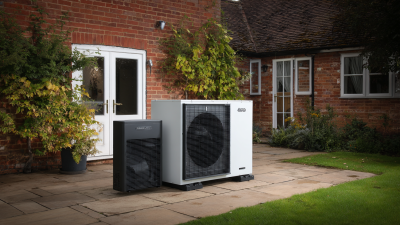
High temperature heat pumps are becoming increasingly popular for both residential and commercial applications, primarily due to their ability to deliver efficient heating solutions in colder climates. One of the key benefits of these systems is their capacity to generate higher temperature outputs, which makes them ideal for traditional heating systems that rely on radiators or underfloor heating. This efficiency not only reduces energy consumption but also lowers utility bills, making it an economically viable option for homeowners and businesses alike.
Moreover, high temperature heat pumps contribute to sustainability efforts by significantly reducing greenhouse gas emissions compared to conventional heating methods, such as gas or oil boilers. As they harness renewable energy sources, these heat pumps support environmental goals while providing a reliable source of heat. Their versatility allows them to be integrated with existing heating systems seamlessly, enabling users to maximize energy efficiency without the need for significant infrastructure changes. This adaptability, combined with the ability to enhance comfort during the colder months, positions high temperature heat pumps as an essential component in the transition toward more energy-efficient and environmentally friendly heating solutions.
Top High Temperature Heat Pumps of 2025: Efficiency, Features & Benefits
| Model |
Heating Capacity (kW) |
Efficiency (COP) |
Operating Temperature Range (°C) |
Special Features |
Benefits |
| Model A |
12 |
4.5 |
-20 to 60 |
Smart Control System |
Energy Savings |
| Model B |
15 |
5.0 |
-15 to 65 |
Variable Speed Compressor |
Reduced Carbon Footprint |
| Model C |
20 |
4.8 |
-10 to 70 |
Smart Thermostat Integration |
Comfort and Convenience |
| Model D |
25 |
4.3 |
-25 to 75 |
Enhanced Defrost Cycle |
Longer Lifespan |
| Model E |
30 |
5.2 |
-5 to 80 |
Eco-Friendly Refrigerant |
Sustainable Heating Solution |
Future Trends in High Temperature Heat Pump Development and Applications
The development of high-temperature heat pumps (HTHPs) is poised to revolutionize the energy landscape in the coming years. As industries strive to reduce their carbon footprints, HTHPs are becoming increasingly essential due to their ability to deliver higher temperature outputs while maintaining energy efficiency. Innovations focusing on refrigerants, heat exchange technologies, and system integration are paving the way for more versatile applications in both residential and commercial settings. Consequently, we can expect a surge in demand for systems that can handle higher temperatures efficiently without compromising environmental standards.
As we look to the future, there are several key trends shaping the advancement of high-temperature heat pump technology. Firstly, the integration of smart technologies will allow for optimized performance and real-time monitoring, enhancing efficiency while reducing operational costs. Additionally, the ongoing research into advanced materials and refrigerants will enable HTHPs to operate effectively in a wider range of conditions. These improvements promise not only higher efficiency ratings but also compatibility with renewable energy sources, further promoting sustainable practices.
Tips: When considering the installation of a high-temperature heat pump, focus on ensuring proper sizing and compatibility with your existing systems for maximum efficiency. Regular maintenance and monitoring can prolong the lifespan of your system and enhance its performance. Additionally, staying updated on innovations in heat pump technology can help you make informed decisions that benefit both your energy bills and the environment.