Top 5 Rice Dryer Tips for Efficient Global Sourcing?
In today's global market, the efficiency of rice dryers is crucial for producers and suppliers. Experts agree on the significance of optimizing rice drying processes. Dr. Emily Chen, a renowned agricultural engineer, states, "Effective rice drying can enhance quality and reduce losses significantly." This emphasizes the need for best practices in rice dryer operations.
Efficient sourcing of rice dryers requires an understanding of various factors. Choosing the right dryer is not just about cost; it’s about technology and reliability. Many producers face challenges in selecting appropriate equipment that meets their needs. A lack of proper guidance can lead to suboptimal performance and increased costs.
Real-world experiences show that not all dryers are created equal. Some models might underperform in humid conditions, while others excel. Therefore, each decision must be well-informed. Exploring expert advice can be a game-changer. Those involved in the rice dryer industry must remain vigilant and adaptive to maximize their investment.

Understanding the Importance of Efficient Rice Drying in Global Sourcing
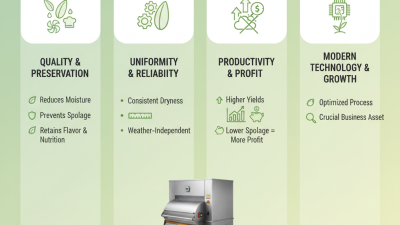
Efficient rice drying plays a crucial role in global sourcing. Proper drying reduces moisture content, which prevents spoilage during storage and transportation. This process impacts the quality and safety of rice, making it vital for producers and buyers. Effective drying techniques can preserve nutrients and maintain flavor, providing a competitive edge in the market.
Understanding the factors that affect drying is key. Environmental conditions, such as humidity and temperature, can influence the drying process. Choosing the right method is essential. While some prefer natural sun drying, others opt for mechanical dryers. Each approach has its pros and cons, with varying costs and benefits. It’s important to reflect on your local conditions and available resources.
Additionally, inconsistent drying can lead to serious issues. Uneven moisture distribution may encourage mold growth. This results in decreased quality and financial loss. Regular training and updates on drying techniques can help. Developing strong relationships with knowledgeable experts ensures access to best practices. Collaborating with experienced partners can bridge knowledge gaps and enhance efficiency in rice sourcing.
Top 5 Rice Dryer Tips for Efficient Global Sourcing
| Tip |
Description |
Benefits |
| Optimize Moisture Control |
Ensure that the rice drying process maintains optimal moisture levels to prevent spoilage. |
Reduces losses due to spoilage and enhances shelf life. |
| Invest in Quality Equipment |
Use reliable, energy-efficient drying equipment for consistent results. |
Improves drying efficiency and lowers operational costs. |
| Regular Maintenance Checks |
Perform regular maintenance to keep drying equipment in top condition. |
Minimizes downtime and ensures optimal performance. |
| Monitor Temperature and Humidity |
Track drying conditions closely to adjust processes as needed. |
Enhances quality control and reduces the risk of over-drying. |
| Utilize Data Analytics |
Employ data-driven approaches to analyze drying processes. |
Increases efficiency and provides insights for continuous improvement. |
Key Features to Look for in a Rice Dryer for International Trade
When sourcing rice dryers for international trade, certain key features stand out. First, energy efficiency is crucial. According to industry reports, up to 35% of production costs can be attributed to drying. Choosing dryers that utilize less energy can significantly cut expenses. Look for models that leverage advanced automation for optimal performance.
Temperature control is another essential element. Precise temperature settings can prevent grain damage. A study indicates that improper drying can decrease rice quality by 20%. Opt for dryers that offer nuanced controls for various rice varieties. This ensures the preservation of texture and taste. Moreover, consider the moisture removal rate. A dryer that achieves quick moisture removal can increase productivity.
Durability shouldn't be overlooked. Many manufacturers face challenges with maintenance costs and equipment breakdowns. Selecting robust materials can lead to longer-lasting equipment and fewer interruptions. It may be tempting to prioritize initial cost, but long-term performance and reliability are vital. Make informed decisions by evaluating user reviews and expert opinions. Look for devices that can withstand the rigors of international trade and varying climates. In the end, the right choice impacts not only efficiency but also overall profitability.
Best Practices for Sourcing High-Quality Rice Dryers Globally
When sourcing high-quality rice dryers globally, understanding the technology is crucial. Reports from industry experts show that efficient dryers significantly improve grain quality. A well-designed rice dryer can enhance drying uniformity, reducing spoilage rates by up to 10%. This can eliminate costly losses, thus boosting overall yield.
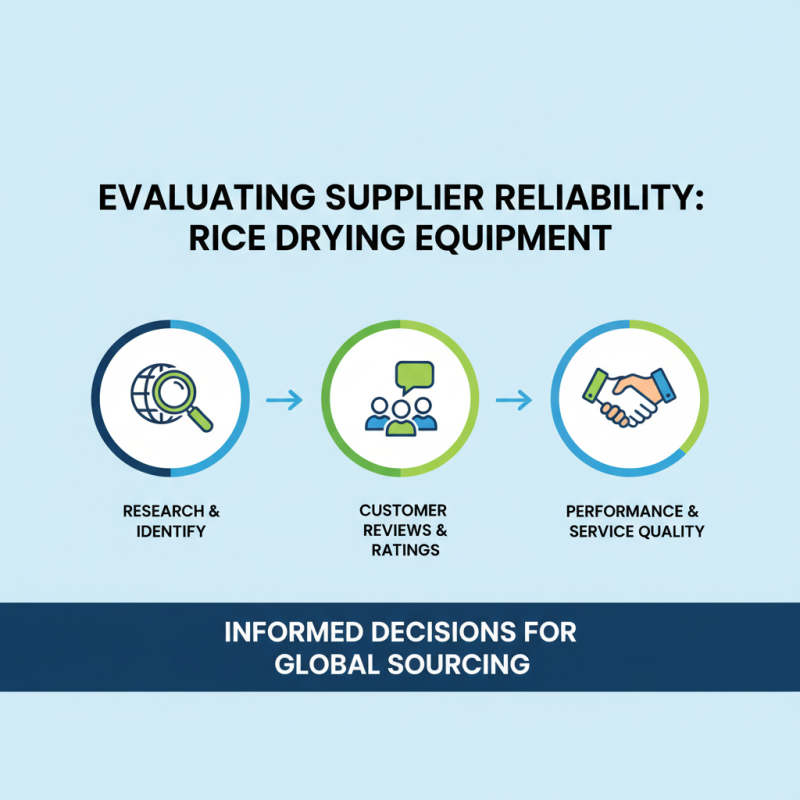
Selecting suppliers with proven track records is essential. Research indicates that around 70% of sourcing failures stem from poor supplier choices. Investigating a supplier's experience and reviews can provide insights into their reliability. Ensuring that they adhere to international quality standards is a must. Frequent audits and inspections can help maintain these standards, leading to long-term satisfaction.
Investing in training for personnel using these dryers can maximize effectiveness. Industry statistics suggest that educated operators can improve operational efficiency by 15%-20%. However, many businesses overlook this aspect. Regular retraining can address gaps in knowledge and keep staff updated on the latest technologies. These practices contribute to a sustainable sourcing strategy, vital for thriving in the competitive rice market.
Cost-Effective Strategies for Rice Dryer Procurement and Maintenance
Efficient rice dryer procurement and maintenance are crucial for optimizing operations in the agricultural sector. According to a 2023 industry report, improper drying processes can lead to up to 20% grain loss. To mitigate costs, invest in advanced monitoring technology. This can help improve efficiency and prevent over-drying, minimizing grain damage.
One tip is to schedule regular maintenance. Routine checks can identify problems before they escalate. This proactive approach reduces downtime and repair costs, keeping your operations running smoothly. Additionally, train your staff on best practices for operating dryers effectively. Well-trained personnel can enhance performance and ensure compliance with safety standards.
Exploring group purchasing options can lead to significant savings. Collaborating with other farmers can increase buying power and lower costs. Another consideration is to stay informed about innovations in rice drying technology. Embracing new methods can enhance your drying efficiency. Overall, knowledge and careful planning are essential for cost-effective procurement and maintenance in rice drying.