Top 5 Tips for Choosing the Right All In One Water Solar Heater?
When considering an All In One Water Solar Heater, various factors come into play. The global solar water heater market is projected to reach $2.4 billion by 2027, according to a recent report from Allied Market Research. This exponential growth highlights the rising demand for energy-efficient solutions. Understanding your specific needs is crucial. Are you looking for efficiency, durability, or installation ease?
In recent years, consumers have expressed the need for comprehensive solutions that blend functionality with design. The All In One Water Solar Heater offers a compact alternative that meets these demands. Research indicates systems with high energy conversion rates can reduce energy bills by up to 70%. However, selecting the right model requires an assessment of both the technology and your environmental conditions.
Be aware that not all products are created equal. Some models may offer advanced features but fail in real-world applications. Testing and user feedback are essential in evaluating performance. As you navigate your options, honing in on key specifications, reviews, and warranty details will ensure a more informed decision. Ultimately, aligning your choice with your unique requirements is vital for long-term satisfaction and sustainability.
Understanding the Basics of All In One Water Solar Heaters
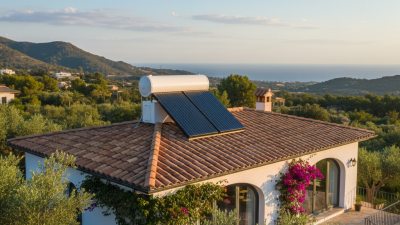
All-in-one water solar heaters are becoming increasingly popular. They harness the sun's energy to provide hot water. This system integrates solar collectors and a storage tank in one unit. It is designed for simplicity and efficiency, appealing to many homeowners. According to a 2022 report by the International Renewable Energy Agency (IRENA), solar water heating systems can reduce water heating costs by up to 70%. This statistic highlights the potential savings for consumers looking for sustainable alternatives.
Understanding the selection criteria for these systems is vital. Key features include collector type, tank capacity, and installation complexity. Flat plate and evacuated tube collectors serve different needs. Larger households typically require bigger storage tanks. However, driving installation costs up can lead to second thoughts. Experts recommend consulting a professional for optimal sizing, ensuring energy efficiency without overpaying.
While the environmental benefits are clear, installation hurdles exist. Local regulations can complicate setup. Additionally, some areas receive inadequate sunlight year-round. As noted in a 2023 Energy Efficiency report, geographic differences hugely affect solar performance. Reflect on your specific circumstances when considering a purchase. Balancing benefits against limitations will guide you to the best decision.
Evaluating Solar Efficiency Ratings for Optimal Performance
When selecting an all-in-one water solar heater, paying attention to solar efficiency ratings is crucial for optimal performance. These ratings indicate how effectively a solar heater converts sunlight into usable energy for heating water. Look for heaters that boast high efficiency ratings. They usually have better technology and materials that enhance performance.
Take note of the climate in your area. Some solar heaters perform better in specific conditions. A heater that thrives in sunny climates may struggle in cloudy regions. Moreover, rating systems can differ among manufacturers. It’s vital to understand these differences to avoid misconceptions.
Assessing the installation process is equally important. Poor installation can significantly hinder performance, no matter how efficient a system claims to be. Even a highly rated solar heater can fail if it isn’t positioned correctly. Solar heaters are an investment, and one needs to choose wisely. Regular maintenance is also necessary to ensure long-term efficiency. This might require effort and reflection on your part.
Assessing Installation Requirements and Space Considerations
When choosing an all-in-one water solar heater, installation requirements and space considerations are crucial. The right choice can enhance efficiency and ensure longevity. Assess your available space carefully. Solar heaters need direct sunlight for optimal performance. If trees or buildings shade your roof, the system may not work well.
Consider the size of the mounting area. A larger system requires a bigger footprint, but you must also evaluate roof strength. Some roofs may need reinforcement. If your roof is low on space, a compact system might be more suitable.
Check local regulations. Some areas have stringent codes for solar installations. It's vital to ensure compliance to avoid issues. If you are uncertain about the requirements, consulting a professional can provide clarity. They can offer insights about local guidelines and best practices for installation. This step is important; improper installation can lead to inefficiency or damage.
Top 5 Tips for Choosing the Right All In One Water Solar Heater
| Tip |
Description |
Installation Requirements |
Space Considerations |
| Determine Your Hot Water Needs |
Assess how much hot water your household consumes to choose the right capacity. |
Check plumbing compatibility and existing systems. |
Ensure adequate roof or ground space for installation. |
| Evaluate Solar Potential |
Consider the average sunlight hours in your area to maximize efficiency. |
Perform a shading analysis to determine optimal placement. |
Location should have a clear exposure to sunlight. |
| Research Efficiency Ratings |
Look for products with high Energy Factor (EF) ratings. |
Confirm that the installation supports the water heater's efficiency. |
Size may vary based on efficiency; space might require adjustments. |
| Consider Maintenance Requirements |
Choose systems that are easy to maintain and service. |
Plan for easy access during installation. |
Adequate surrounding space may be necessary for maintenance. |
| Check Local Regulations |
Be aware of any codes or permits required for installation. |
Ensure compliance with local building and safety codes. |
Verify that installation area fulfills local zoning laws. |
Comparing Costs: Initial Investment Vs. Long-term Savings
When comparing costs for an all-in-one water solar heater, it's important to evaluate both initial investment and long-term savings. The initial cost may seem steep, ranging from a few hundred to several thousand dollars. However, these systems can significantly reduce energy bills over time. Solar heaters harness the sun's energy, leading to lower reliance on conventional sources. This shift can yield impressive savings, especially in sunny regions.
Consider the efficiency of the unit. A high-efficiency solar heater may come with a higher upfront price but often pays off faster. Calculate the return on investment based on energy savings. Maintenance costs should also be a factor; some systems require minimal upkeep while others may need regular professional checks.
One common misconception is that all solar heaters are the same. They vary in design, efficiency, and ease of installation. Do thorough research on the different types available. Check user reviews and trustable resources for insights. Real-world performance data can reveal potential savings over time. Balancing the initial cost with potential long-term savings can guide you toward a sustainable investment.
Top 5 Tips for Choosing the Right All In One Water Solar Heater
The following chart compares the initial investment costs against long-term savings of all-in-one water solar heaters. By understanding the financial implications, consumers can make more informed decisions.
Exploring Maintenance Needs and Warranty Options for Longevity
When selecting an all-in-one solar water heater, maintenance is vital for performance and longevity. Regularly check the system for leaks or corrosion. Dust and debris can accumulate on the panels, impacting efficiency. Cleaning them a few times a year helps. However, many users overlook this simple task. They often forget how crucial it is for optimal functioning.
Understanding warranty options can ease worries about long-term costs. A strong warranty indicates the manufacturer’s confidence in the product. Look for warranties that cover parts and labor for several years. Short warranty periods might signal potential issues. Also, be cautious with systems that require specific maintenance conditions to keep the warranty valid. It’s not uncommon for users to miss these terms, leading to unexpected expenses.
Consider how the heater aligns with your lifestyle and needs. Some systems demand more maintenance than others. Reflect on your comfort level with these requirements. The right choice balances efficiency with manageable upkeep. Assess each option’s long-term sustainability carefully.