The Ultimate Guide to Choosing the Best Monoblock Heat Pump for Your Home
In recent years, the demand for efficient home heating solutions has soared, leading to the growing popularity of the Monoblock Heat Pump. According to the latest report from the International Energy Agency (IEA), heat pumps are projected to provide nearly 700 terawatt-hours (TWh) of heating by 2025, representing a significant shift towards sustainable energy sources in residential settings. As homeowners increasingly seek ways to reduce energy costs and carbon footprints, understanding the intricacies of Monoblock Heat Pumps becomes imperative.
Expert in HVAC technology, Dr. Emily Thompson, emphasizes the importance of choosing the right heating system, stating, "The efficiency of a Monoblock Heat Pump not only improves the environmental impact but also leads to substantial savings for homeowners in the long run." This sentiment reflects the growing recognition of Monoblock Heat Pumps as a viable alternative to traditional heating methods. With their streamlined design and ease of installation, these systems stand out as a compelling option for those looking to enhance home comfort while being environmentally conscious.
As we delve into this ultimate guide, we will explore the various aspects of selecting the best Monoblock Heat Pump for your home, including key features, efficiency ratings, and installation considerations. Equip yourself with the knowledge needed to make informed decisions, ensuring that your investment in a Monoblock Heat Pump pays dividends for both your comfort and the planet.
Understanding Monoblock Heat Pumps and Their Benefits for Home Use
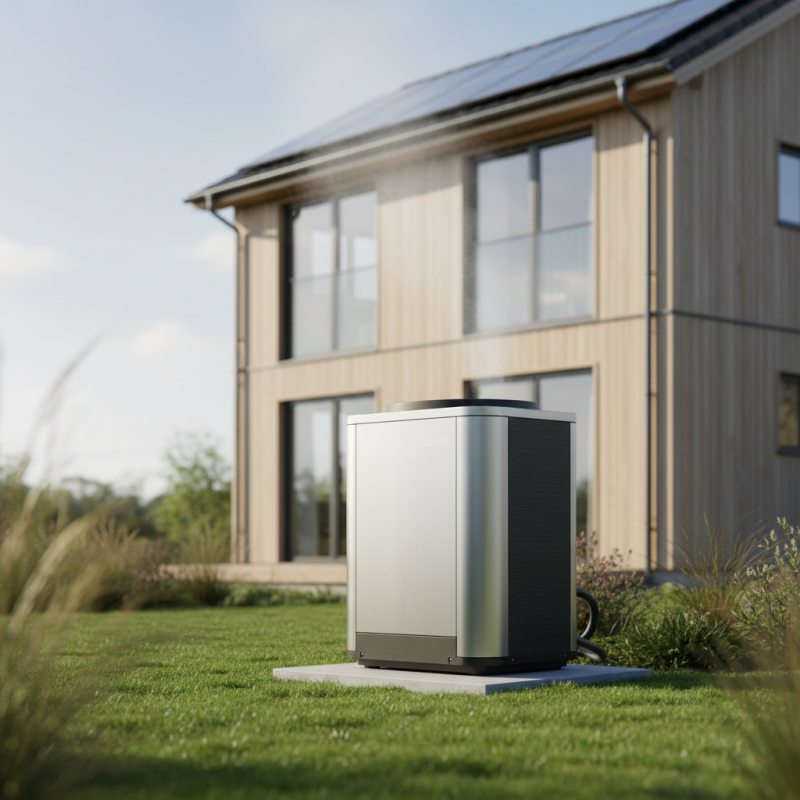
Monoblock heat pumps are an innovative solution for efficient heating and cooling in residential settings.
Unlike traditional split systems, monoblock units house all their components within a single outdoor unit.
This design simplifies installation, as it does not require the cumbersome refrigeration lines to be run inside the home.
The ease of setup makes monoblock heat pumps an appealing option for homeowners looking to upgrade their heating systems without extensive renovation work.
One of the primary benefits of monoblock heat pumps is their energy efficiency.
These systems utilize electricity to transfer heat, rather than generating it through combustion, resulting in lower energy bills and a reduced carbon footprint.
Additionally, many monoblock units come with advanced features, such as variable speed compressors, which adjust their output based on heating demand.
This adaptability not only enhances comfort but also maximizes efficiency, making monoblock heat pumps a sustainable choice for modern homes.
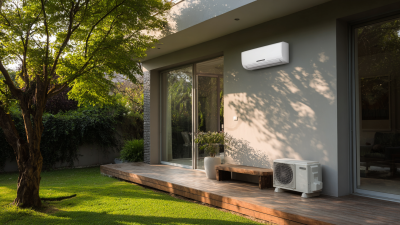
Furthermore, their quiet operation and compact design blend seamlessly into outdoor spaces, ensuring that they meet both functional and aesthetic needs.
Key Factors to Consider When Choosing a Monoblock Heat Pump
When choosing a monoblock heat pump for your home, there are several key factors to consider that can significantly impact efficiency and comfort. Firstly, the heating capacity of the unit is crucial. It should match or exceed your home’s heating demands based on its size, insulation, and climate. Conducting a heat loss assessment can help determine the right capacity needed to ensure that your home remains warm during colder months without excessive energy consumption.
Another important aspect is the energy efficiency rating of the heat pump. Look for units with high seasonal performance factor (SPF) or coefficient of performance (COP), which indicate lower operational costs and reduced environmental impact. Additionally, noise levels can be a deciding factor, especially in residential areas. Checking the decibel rating will help you find a model that's quiet enough for your comfort. Lastly, consider the installation and maintenance requirements, as these will affect both the initial investment and long-term usability of the heat pump. Selecting a product that offers reliable support and easy access to services will enhance your experience and ensure lasting performance.
Comparing Brands and Models: Features to Look For
When selecting a monoblock heat pump for your home, understanding the key features that set various models apart is crucial. One of the primary factors to consider is the energy efficiency rating, which can significantly impact your electricity bills and overall environmental footprint. Look for models with high Seasonal Energy Efficiency Ratio (SEER) and Heating Seasonal Performance Factor (HSPF) ratings, as these indicate better performance in different seasons. Additionally, check for noise levels, especially if the unit will be installed near living spaces. Quieter models can enhance your comfort and overall satisfaction with the product.
Another important aspect to evaluate is the range of heating and cooling capacities offered by each model. A unit should be adequately sized for your home's specific needs; both over-sizing and under-sizing can lead to inefficiencies and increased wear on the system. Furthermore, consider features such as smart technology compatibility, which allows for remote control and integration with home automation systems. This functionality not only adds convenience but can also lead to smarter energy usage, maximizing savings associated with heating and cooling your space.
Installation Requirements and Maintenance Tips for Monoblock Heat Pumps
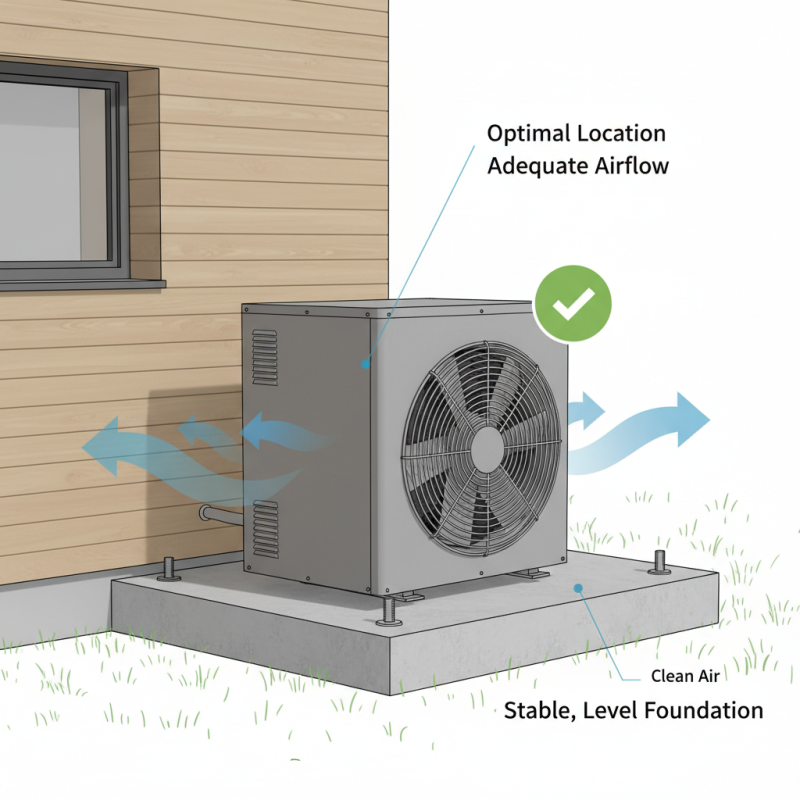
When installing a monoblock heat pump, it is essential to consider several key requirements to ensure optimal performance. First, the location of the unit is critical; it should be placed in an area with adequate airflow and away from obstructions that could impede its operation. A stable and level foundation is also necessary to prevent any vibrations or noise during operation. Additionally, it is important to comply with local building codes and regulations, which may dictate specific installation guidelines.
Maintenance plays a vital role in the longevity and efficiency of a monoblock heat pump. Regularly inspecting and cleaning the outdoor coils is crucial, as debris accumulation can hinder performance. Homeowners should also check and replace air filters as needed to maintain good airflow and indoor air quality. It's advisable to schedule professional maintenance annually, which can include checking refrigerant levels, assessing electrical connections, and ensuring all system components function properly. Following these installation and maintenance tips will help keep your monoblock heat pump running smoothly and efficiently for years to come.
Cost Analysis: Budgeting for Your Monoblock Heat Pump Purchase
When budgeting for a monoblock heat pump, it's essential to consider both the initial purchase price and the ongoing operational costs. Typically, the upfront cost of a monoblock heat pump can vary significantly based on factors such as capacity, efficiency ratings, and additional features. Homeowners should expect to invest in a unit that meets their specific heating and cooling needs, ensuring that they don't compromise on quality for lower price options.
In addition to the purchase cost, it’s crucial to factor in installation expenses, which can include labor and any necessary modifications to existing systems. After installation, monthly energy bills will be affected by the heat pump's efficiency, making it important to choose a model with a good energy rating to minimize future costs. Regular maintenance should also be accounted for, as keeping the system in good working order will extend its lifespan and improve efficiency, ultimately saving you money in the long run.
The Ultimate Guide to Choosing the Best Monoblock Heat Pump for Your Home - Cost Analysis: Budgeting for Your Monoblock Heat Pump Purchase
| Model |
Heating Capacity (kW) |
Energy Efficiency Ratio (EER) |
Installation Cost (USD) |
Annual Operating Cost (USD) |
Average Lifespan (Years) |
| Model A |
9 |
4.5 |
3500 |
800 |
15 |
| Model B |
12 |
4.2 |
4000 |
900 |
15 |
| Model C |
15 |
4.8 |
4500 |
850 |
20 |
| Model D |
18 |
4.0 |
5000 |
950 |
20 |
| Model E |
21 |
4.6 |
6000 |
1000 |
25 |