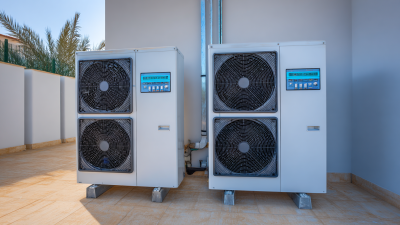
Top 10 Benefits of Using a Compressed Air Heater?
The use of a Compressed Air Heater offers numerous advantages to various industries. This innovative technology enhances efficiency by providing reliable and consistent heating for compressed air systems. By integrating a Compressed Air Heater into operations, companies can experience significant energy savings and reduced operational costs.
A Compressed Air Heater not only improves process time but also helps maintain the quality of products. It prevents moisture build-up, which can lead to equipment damage and reduced product quality. Furthermore, the precise temperature control allows for optimal performance in manufacturing environments.
Investing in a Compressed Air Heater may require careful consideration. Initial costs can be high, and organizations must evaluate the long-term benefits. Nevertheless, the strategic advantages can lead to substantial improvements in production efficiency and reliability over time.
What is a Compressed Air Heater and How Does It Work?
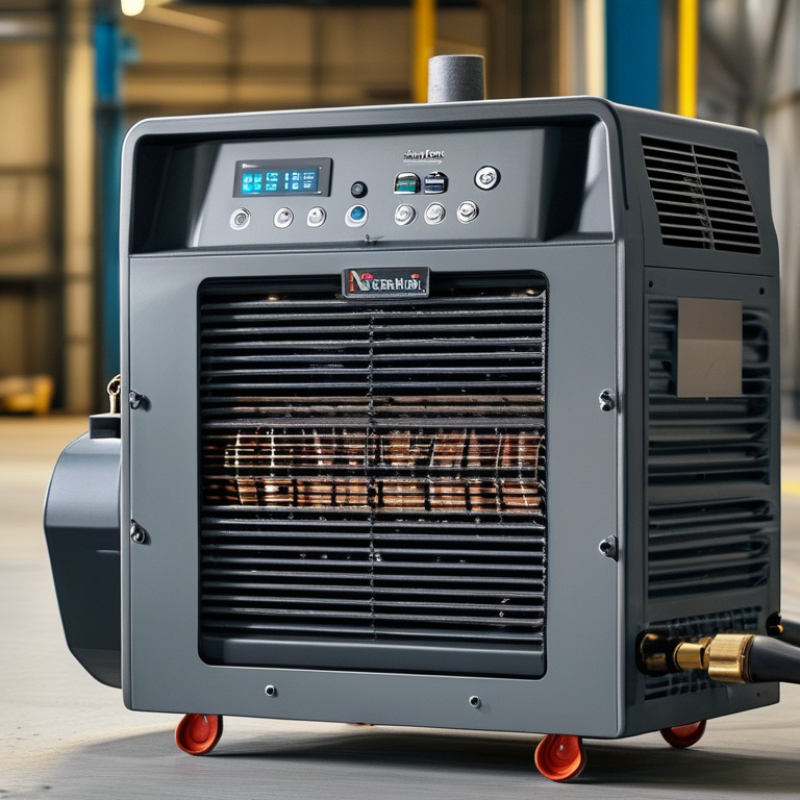
Compressed air heaters are essential tools in industrial processes. They utilize compressed air to produce heat efficiently. These heaters work by passing compressed air through a heat exchanger. This method can increase the air temperature significantly, often exceeding 200°F (93°C). Efficient heating can enhance production and reduce energy costs.
Data from the Compressed Air and Gas Institute (CAGI) suggests that nearly 70% of industrial facilities use compressed air systems. However, many may overlook the benefits of heating this compressed air. When air is heated, its moisture content decreases. This reduction can minimize the risk of condensation in downstream equipment. It ultimately helps maintain system efficiency.
Despite these advantages, some facilities still face challenges. Improper installation can lead to energy losses. Additionally, regular maintenance is crucial for optimal performance. Reports indicate that neglecting maintenance could reduce the heater's efficiency by up to 30%. It’s essential to weigh these factors when considering the implementation of a compressed air heater in an industrial setting.
Key Advantages of Using Compressed Air Heaters in Various Industries
Compressed air heaters offer significant advantages across diverse industries. They enhance efficiency, ensuring processes run smoothly and safely. For example, in manufacturing, heated compressed air can improve drying times and increase productivity. This can lead to faster turnaround and better quality products.
In the food processing industry, proper temperature control is crucial. Compressed air heaters can prevent contamination. They help maintain product integrity, providing safe and hygienic processing conditions. Moreover, precise temperature regulation minimizes energy consumption, leading to cost savings.
While compressed air heaters are beneficial, they also require careful maintenance. Neglect can lead to inefficiencies. Regular inspections and cleanings are necessary. This ensures optimal performance and extends the lifespan of the equipment. Investing in training for staff on proper operational procedures is also essential. Mistakes in handling can lead to problems. Balancing efficiency with safety is key for all industries utilizing compressed air heaters.
Energy Efficiency: How Compressed Air Heaters Save Costs
Compressed air heaters have gained recognition for their energy efficiency. Research indicates that these heaters can reduce energy consumption by up to 30%. This efficiency stems from their ability to reheat compressed air efficiently. Traditional heating methods often waste excess energy, driving up costs significantly. In industries that rely on compressed air as a primary resource, even small savings can lead to substantial reductions in operating expenses.
A report from the Department of Energy highlights that heating represents a large part of manufacturing costs. By shifting to compressed air heaters, companies can expect a significant decrease in their energy bills. Additionally, these heaters require minimal maintenance. Thus, they can lower the total cost of ownership. Even though the initial investment might be higher, the long-term savings make it a wise choice for many organizations.
However, it’s important to evaluate the specific application needs. Not all operations will benefit equally from this transition. In some cases, performance may not meet expectations without proper adjustments. It’s vital to analyze operational patterns and heating requirements before fully committing. Each facility is unique, and understanding its dynamics can enhance energy savings and operational efficiency.
Improving Productivity and Performance with Heated Compressed Air
Heated compressed air significantly enhances productivity in various industries. According to research from the Compressed Air and Gas Institute, heating air before use improves its efficiency in many applications. Heated air can help reduce moisture in pneumatic systems, thus minimizing the risk of corrosion and extending equipment life.
Additionally, studies suggest that systems utilizing heated compressed air can operate 20% more efficiently than those using unheated air. This can lead to lower energy costs and reduced downtime. Furthermore, the reduced condensation in pneumatic tools can enhance their performance and reliability. In automotive manufacturing, for example, heated air helps optimize paint drying processes, resulting in a smoother finish.
However, the implementation of compressed air heaters is not without challenges. It requires careful consideration of installation costs and potential maintenance needs. Companies must weigh these factors against the expected productivity gains. As organizations strive to improve operational efficiency, leveraging heated compressed air can offer a pathway to better performance, albeit with some initial hurdles to overcome.
Safety Considerations and Maintenance for Compressed Air Heaters
When operating compressed air heaters, safety should be a primary concern. According to the Compressed Air and Gas Institute (CAGI), improper heating can lead to equipment failure or hazardous situations. Regular inspections are essential. Check for leaks or signs of wear and tear. It's critical to ensure connections are secure. Maintenance can prevent costly downtime.
Temperature controls must be precise. Overheating can damage the system and create fire risks. Many industry reports suggest that nearly 30% of all failures in compressed air systems are thermal-related. Operators must monitor temperature gauges regularly. Implementing a consistent maintenance schedule can greatly reduce risks.
Education about potential hazards is vital. Staff should receive training on safe operating procedures. This minimizes accidents and promotes a safety-first culture. Additionally, consider investing in moisture removal systems. They enhance performance and lengthen equipment lifespan. A well-maintained compressed air heater not only ensures efficiency but also fosters a safer working environment.