Top Tips for Choosing the Best Rice Dryer for Your Needs?
When it comes to selecting the right rice dryer, expert insights can be invaluable. John Smith, a leading authority in the rice processing industry, emphasizes, "The key is to find a dryer that suits your specific needs." Choosing a rice dryer can seem daunting. With various options available, the choice can make or break your harvest quality.
Consider the capacity, energy efficiency, and drying technology. A dryer that fits your operation can enhance yield and reduce waste. Quality rice requires precise drying. If moisture levels are not managed, it can lead to spoilage. Take time to research various models. Ensuring the right fit is essential for long-term success.
Experts often recommend seeking advice from those in the field. However, many overlook this step and choose poorly. Even the most experienced growers can benefit from a second opinion. Reflecting on past choices can lead to improved decision-making for future investments in rice dryers.
Understanding the Importance of Rice Dryers in Post-Harvest Processing
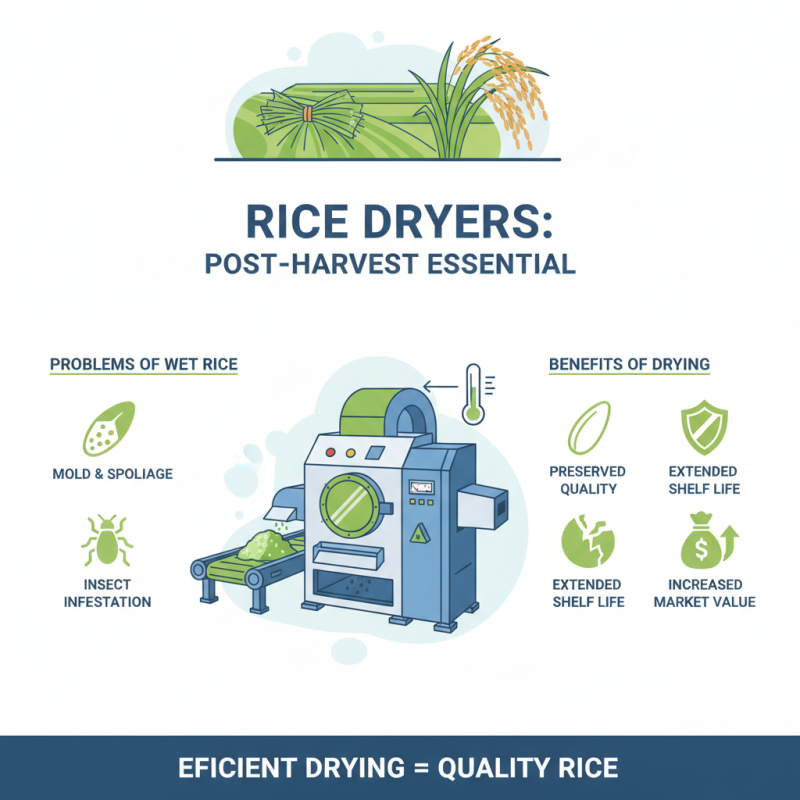
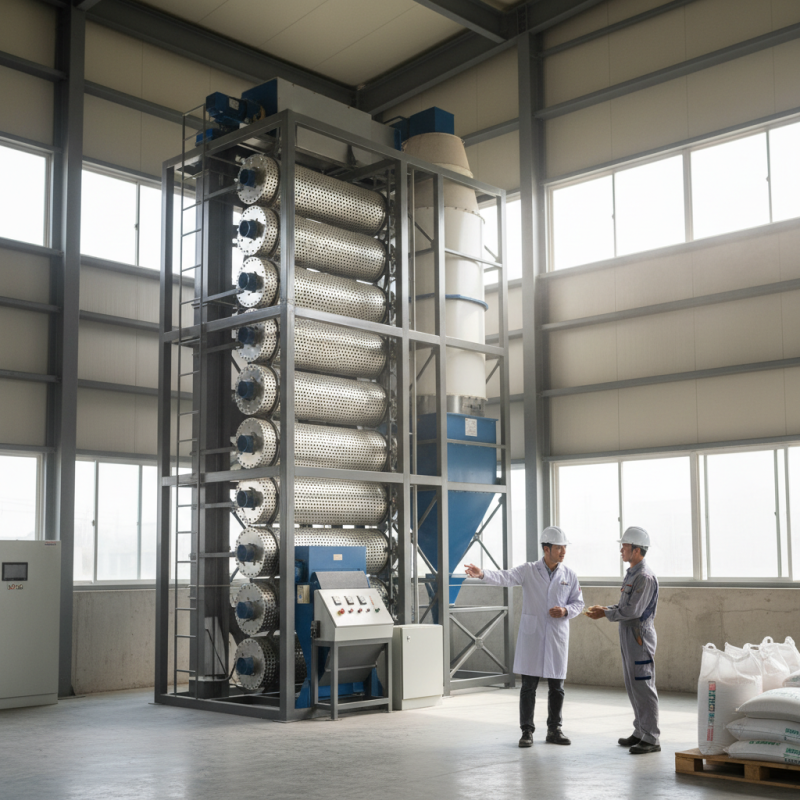
Rice dryers play a crucial role in post-harvest processing. When rice is harvested, it contains a significant amount of moisture. If not dried properly, the quality of the rice can deteriorate. High moisture levels can lead to mold growth, spoilage, or insect infestations. These issues not only reduce the rice's market value but also affect its nutritional quality. Therefore, having an efficient rice dryer is essential for maintaining the quality of the grain.
Choosing the right rice dryer requires understanding your specific needs. Different dryers operate at varying capacities and efficiencies. It's important to consider factors like the volume of rice you handle and the local climate conditions. Some dryers are designed for bulk processing, while others may be suitable for smaller batches. Reflecting on your operational demands will guide you in making an informed choice.
Investing in the right equipment can be daunting. It's easy to overlook the importance of energy efficiency or drying uniformity. Sometimes, a cheaper option seems appealing, but it may end up being less reliable. It's vital to research and reflect on potential trade-offs. Take time to learn from others' experiences. This knowledge can inform your decision-making and lead to better outcomes in rice quality.
Key Factors to Consider When Selecting a Rice Dryer
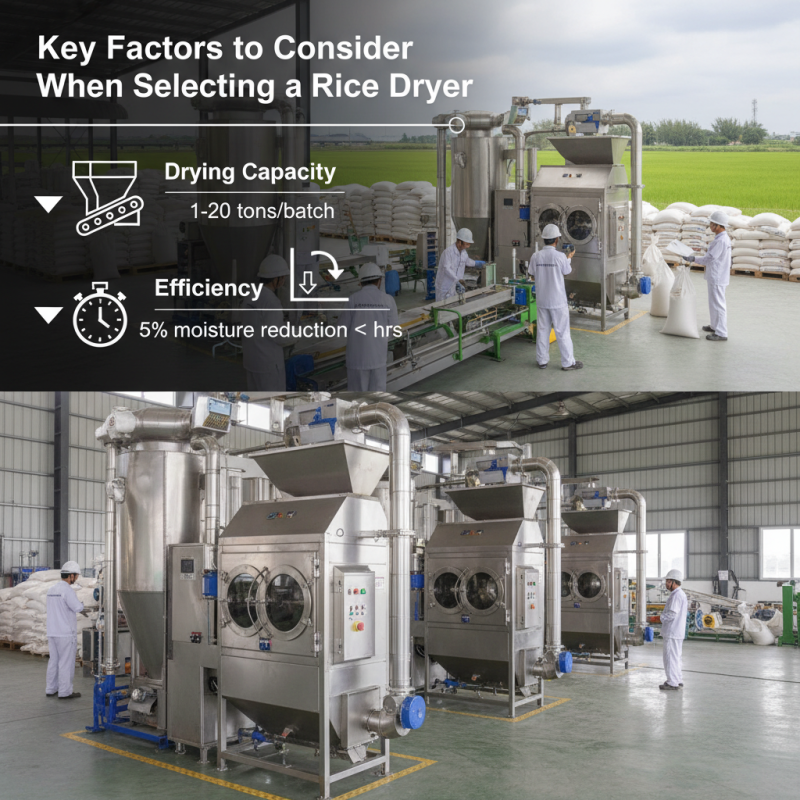
When selecting a rice dryer, several key factors deserve careful consideration. One of the most crucial aspects is the drying capacity, which typically ranges from 1 to 20 tons per batch. Depending on your production scale, ensure the dryer can handle your daily output without delays. Efficiency ratings matter, as research shows that modern dryers can reduce moisture content by 5% in under two hours, vital for preserving rice quality.
Energy consumption is another factor that cannot be overlooked. According to industry reports, the average energy use of rice dryers can vary widely. High-efficiency models consume 30% less energy than older versions. This not only impacts operational costs but also your carbon footprint. Look for equipment that meets or exceeds energy efficiency standards for better long-term savings.
Lastly, consider the type of fuel used. Gas and electric options each have benefits. However, available fuel sources may limit your choice. Check local supply options and cost before deciding. Choosing a dryer that is compatible with your resources will enhance operational reliability. A mismatched dryer can lead to inefficiencies and increased downtime. A thorough evaluation of these factors will help ensure you choose a dryer that fits your specific needs.
Types of Rice Dryers: Which One Suits Your Needs?
When selecting a rice dryer, understanding the types is crucial. There are batch dryers, continuous flow dryers, and hybrid options. Each type serves different needs. Batch dryers are great for small-scale operations. They are easy to use and maintain, but they can be time-consuming. Continuous flow dryers allow for higher capacity, making them suitable for larger farms. They save time but require more complex systems.
Hybrid dryers combine features of both types. They offer flexibility, allowing users to switch between methods. This is beneficial for diverse drying needs. However, they can be more costly and complex to operate. Consider your farming scale and grain volume when choosing.
Beyond the type, consider factors like energy efficiency and maintenance needs. Some dryers require frequent monitoring, while others are more automated. Determine what fits your management style. Lastly, seek advice from experts in grain handling. Their insights can help avoid pitfalls in your investment. Balancing cost with performance is key in finding the right dryer.
Evaluating Efficiency and Performance of Rice Dryers
When evaluating the efficiency and performance of rice dryers, it’s essential to consider various factors. Data suggests that properly dried rice can maintain its quality for longer. The ideal moisture content for stored rice is around 12-14%. Straying too far from this range can lead to spoilage.
Energy consumption is another critical aspect. A report from the International Rice Research Institute indicates that efficient dryers can reduce energy usage by up to 30%. This translates into significant cost savings over time. It’s worth noting that not all dryers achieve these efficiencies, so careful assessment is crucial.
**Tip:** Look for dryers equipped with moisture sensing technology. These tools adjust drying times based on moisture content, ensuring optimal results.
Check the throughput capacity of the dryer as well. A dryer that’s too small for your needs can lead to bottlenecks. Additionally, poorly maintained equipment often leads to increased energy costs. Regular maintenance checks can prevent these inefficiencies and improve the overall performance of your rice dryer.
Top Tips for Choosing the Best Rice Dryer for Your Needs
| Feature |
Description |
Efficiency Rating |
Performance Index |
| Heating Method |
Conventional, Infrared, or Hot Air |
A++ to D |
1-10 |
| Drying Capacity |
Amount of rice dried per batch (kg) |
15 - 200 kg |
1-10 |
| Energy Consumption |
Total energy used per batch |
1 - 5 kWh |
1-10 |
| Moisture Removal Efficiency |
Percentage of moisture removed |
90% - 99% |
1-10 |
| Control Features |
Manual vs. Automatic control options |
Basic to Advanced |
1-10 |
Budgeting: How Much Should You Invest in a Rice Dryer?
When considering how much to invest in a rice dryer, it's important to evaluate your specific needs. The initial budget can vary widely. A simple, small-scale dryer may cost less, while larger, more efficient models will command a higher price. Think about how much rice you process regularly. This will influence the capacity and type of dryer that suits you best. A lower cost dryer may save money upfront but could lead to inefficiency in the long run.
Investing in quality equipment is essential. A good rice dryer not only preserves the quality of the rice but also enhances your overall productivity. Without the right expertise, selecting an unsuitable model can result in problems. Consider both the energy efficiency and drying speed of the model. These factors will impact your future costs.
Reflect on your long-term goals. Are you looking to expand your business or keep it small? A higher initial investment might be wiser if you aim for growth. Be cautious of low-priced options that don’t meet your needs. They can lead to higher operational costs and potential losses. Always weigh the benefits against the potential drawbacks before making a decision.