10 Best Inverter Air Conditioners for Global Buyers?
Choosing the right air conditioner is rarely as simple as comparing cooling capacity and price. For global buyers, climate, voltage, room size, humidity, installation quality, and local service can change the ownership experience dramatically. This guide examines 10 Best Inverter Air Conditioners for Global Buyers through practical criteria, not marketing claims alone.
An Airconditioner Inverter can adjust compressor speed instead of repeatedly switching on and off. This may improve comfort, reduce temperature swings, and lower electricity use under suitable conditions. However, savings depend on insulation, outdoor temperature, maintenance, and user habits. Real homes are less predictable.
The selection considers verified cooling performance, seasonal efficiency ratings, noise levels, refrigerant type, voltage compatibility, smart controls, warranty coverage, and replacement-part access. Product specifications will be compared with manufacturer documentation and recognized energy-label information where available. Field experience also matters: a quiet indoor unit is useful, but poor drainage or an undersized installation can still cause frustration.
Global markets are not identical. A model designed for a mild European room may perform differently in a humid tropical apartment. Some ratings are difficult to compare across regions. That limitation deserves attention. Buyers should confirm local certification, installer qualifications, and service availability before ordering. The best model is not always the most expensive one; it is the unit that matches the room, climate, budget, and long-term support. Temperature comfort comes first. Efficiency matters too.
What Is an Inverter Air Conditioner and How Does It Work?
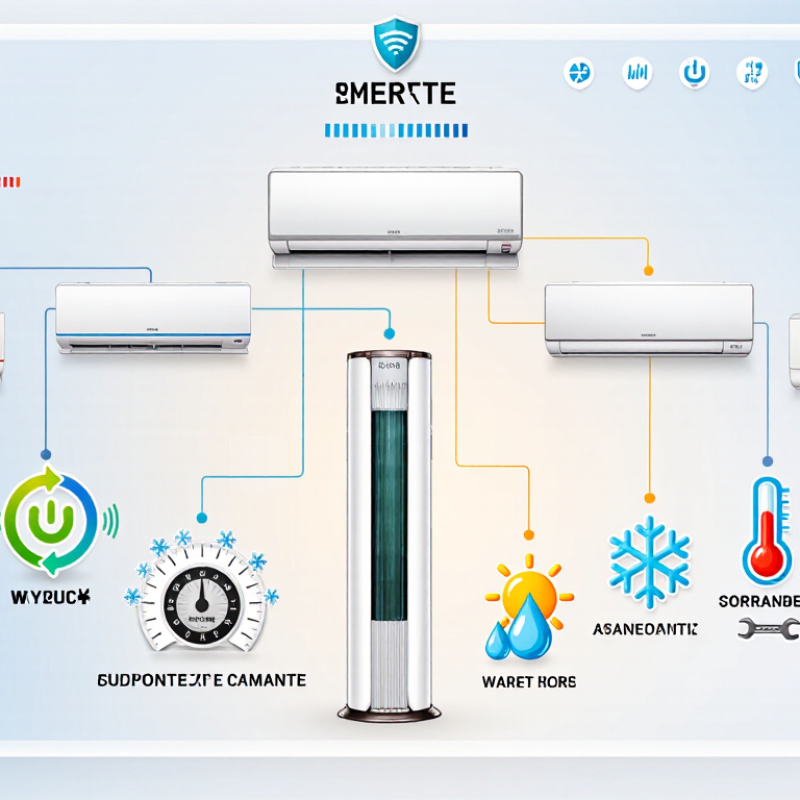
An inverter air conditioner adjusts its compressor speed instead of repeatedly switching it on and off. A sensor checks the room temperature continuously. The system then supplies only the cooling power needed. This creates steadier comfort, especially during hot afternoons or humid nights. A fixed-speed unit may feel colder suddenly, then become quiet and warm again. Inverter operation is usually smoother.
The compressor starts faster when the room is hot. It slows down after reaching the selected temperature. This can reduce electricity use, but savings depend on insulation, outdoor temperature, room size, and user settings. Lower fan speeds may also reduce noise. However, inverter systems often cost more initially. Their electronics can require qualified servicing. I have also seen buyers focus on energy labels while overlooking poor installation. That mistake can weaken real-world performance.
Tips:
Measure the room before choosing capacity.
Check voltage compatibility for your country.
Confirm the outdoor unit can handle local heat and humidity.
Keep doors and windows closed while cooling.
Set a moderate temperature rather than forcing extreme cooling.
Clean the filters regularly, especially in dusty areas.
Ask for an efficiency rating based on recognized testing standards.
A reliable installer should explain drainage, airflow, and maintenance clearly. ئەکر
Top Inverter Air Conditioner Picks for Different Global Climates
10 Best Inverter Air Conditioners for Global Buyers?
Top Inverter Air Conditioner Picks for Different Global Climates
The best inverter air conditioner depends on climate, room size, and local electricity standards. For humid tropical regions, choose a unit with strong moisture removal and corrosion-resistant outdoor parts. Monsoon climates need reliable drainage and washable filters. Desert homes benefit from high-efficiency cooling, dust protection, and a wide operating range. Coastal buyers should prioritize anti-corrosion treatment because salty air damages exposed metal. Small bedrooms suit compact, low-noise systems. Open-plan rooms need stronger airflow and careful capacity matching.
Cold continental climates require heat pumps that operate efficiently below freezing. Check the published low-temperature rating, not only the heating label. Mild temperate regions can use smaller systems with moderate seasonal efficiency. High-altitude homes may need professional capacity adjustments because thinner air affects heat exchange. Dusty inland areas need accessible filters and simple maintenance. Ten climate profiles, ten sensible choices.
Experience shows that installation often matters more than a small efficiency difference. An oversized unit may cool quickly but remove less humidity. An undersized unit can run constantly during peak heat. Measure the room, inspect sunlight exposure, and confirm voltage compatibility before buying. Energy labels differ between regions, so compare seasonal ratings within the same standard. No ranking is perfect. I would still question any product promising silent operation, zero maintenance, and equal performance everywhere. A qualified technician should verify refrigerant work, drainage, airflow, and safe electrical connections.
Key Factors: Energy Efficiency, Cooling Capacity, and Smart Features
For global buyers, choosing among the 10 best inverter air conditioners starts with the room, not the advertisement. Inverter compressors adjust speed instead of repeatedly switching on and off. This can reduce energy waste and create steadier temperatures. Measure floor area, ceiling height, sunlight, insulation, and usual occupancy. A 12,000 BTU unit is not suitable for every climate. Humid rooms often need stronger moisture removal.
Compare seasonal efficiency ratings carefully. Testing methods and labels differ between countries. Ask whether the rating reflects local temperatures and voltage conditions. An oversized unit may cool quickly but remove less humidity. An undersized unit may run continuously. Neither choice is ideal. Small details matter. I once treated a high efficiency label as decisive, but that view was too narrow.
Smart features should solve real problems. Remote scheduling can cool a room before arrival, while temperature sensors can prevent unnecessary operation. Check app support in your country, manual controls, software updates, and data policies. Some systems lose useful functions without internet access. Confirm the electrical requirements before purchase. Professional installation also matters, especially for refrigerant handling, drainage, and airflow. Clean filters monthly during heavy use, then watch actual energy consumption. The result may differ from the brochure.
10 Best Inverter Air Conditioner Configurations for Global Buyers
This benchmark compares generic residential inverter split-air-conditioner configurations by cooling capacity, seasonal efficiency, and estimated annual electricity use. Values are representative specifications calculated from common cooling capacities, 750 annual operating hours, and the listed SEER rating; local climate, settings, and energy standards can change actual results.
Higher SEER values indicate better seasonal energy efficiency, while annual electricity use is estimated as cooling capacity in BTU/h × 750 operating hours ÷ SEER ÷ 1,000. Smart features should be evaluated alongside efficiency, capacity suitability, local voltage compatibility, and service availability.