Why You Should Invest in a Fruit Vegetable Dryer for Efficient Food Preservation?
Investing in a Fruit Vegetable Dryer offers numerous benefits for food preservation. This industry is growing rapidly, driven by a rising consumer demand for healthy, natural foods. According to the Food Processing Association, the market for food dehydrators is expected to reach $500 million by 2025. Such growth signals the increasing importance of efficient preservation techniques.
Experts in the field emphasize the advantages of using a Fruit Vegetable Dryer. Dr. Emily Chan, a food science specialist, states, "Using such equipment can significantly extend the shelf life of fruits and vegetables while retaining their nutritional value." This statement highlights both the efficiency and the health benefits provided by dehydration technology.
Quality preservation methods are crucial. They help reduce food waste and ensure that you enjoy seasonal produce year-round. Individuals and businesses alike can benefit from investment in a Fruit Vegetable Dryer. Reflecting on the journey, many realize that maximizing food longevity is not just about convenience; it's about sustainability. However, many consumers still overlook this essential tool. Embracing the benefits of a Fruit Vegetable Dryer means taking a step toward a more responsible approach to food storage.
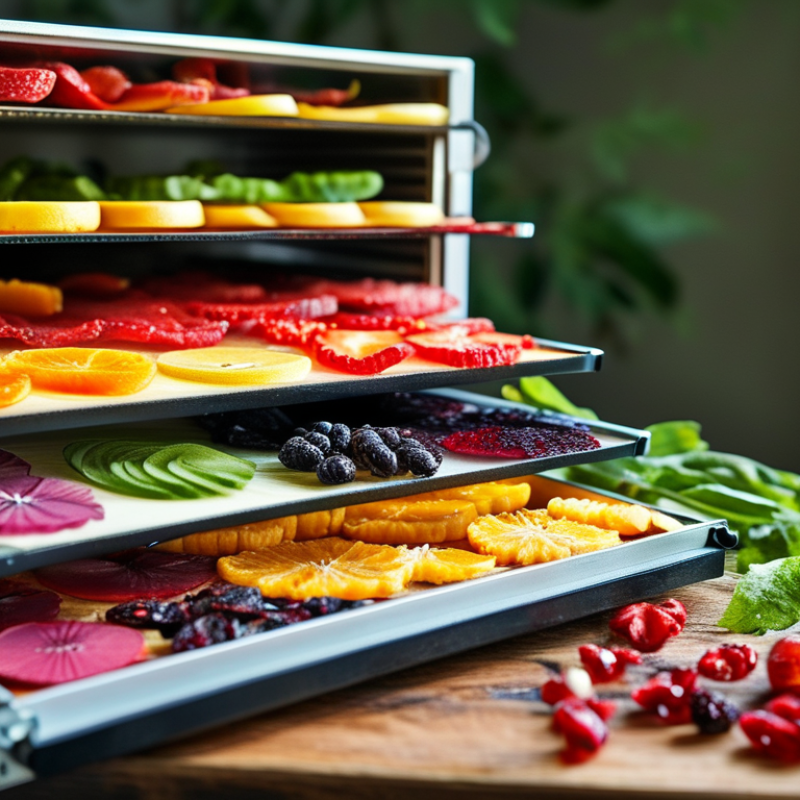
Benefits of Using a Fruit Vegetable Dryer for Food Preservation
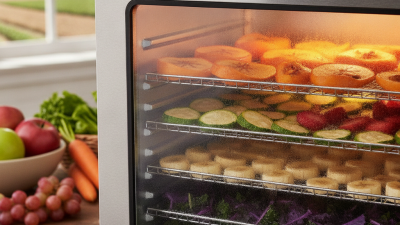
Investing in a fruit vegetable dryer can significantly enhance your food preservation efforts. It provides a way to capture the flavors and nutrients of seasonal produce. Instead of letting fruits and vegetables spoil, a dryer allows you to transform them into delicious snacks or ingredients that can last for months. You'll appreciate the convenience of having dried foods available at any time.
One key benefit of using a dryer is the retention of nutrients. The drying process often preserves vitamins and minerals better than other storage methods. You can enjoy the simple pleasures of nature's bounty in a concentrated form. Drying also reduces the bulk of food, making storage easier.
Tips for effective drying: ensure that your produce is fresh and ripe. Slice uniform pieces for even drying. Keep in mind that some fruits may take longer to dry than others, which can lead to inconsistency. Experimentation is essential. Adjusting temperature and drying times can lead to discovering optimum results. Trust the process, but don't shy away from making changes if things don't turn out as expected.
Understanding the Science Behind Food Drying Techniques
Food drying is an ancient preservation method, harnessing science to extend shelf life while retaining nutrients. The process involves reducing moisture content in fruits and vegetables. Lower moisture inhibits microbial growth, which is crucial for food safety. According to studies, dehydration can preserve 85-97% of nutrients, making it a viable option for healthy diets.
Temperature and airflow play pivotal roles in drying efficiency. The optimal temperature for drying many fruits is around 135–145°F. At this range, enzymes that cause spoilage are deactivated, yet vitamins remain intact. Drying also concentrates flavors, enhancing the sensory experience of food. A professional report reveals that properly dried produce can last for months or even years in storage.
However, not all techniques yield the same results. Over-drying can lead to nutrient loss and affect texture. Under-drying may allow bacteria to thrive. Knowing the right balance is essential. Investing in a high-quality fruit vegetable dryer can help control these variables, ensuring consistent results. A reliable method invites reflection on how we view food preservation and nutrition, ultimately impacting our health choices.
Comparative Analysis: Drying vs. Other Food Preservation Methods
Drying fruits and vegetables is a powerful method for food preservation. This method maintains nutrients better than canning or freezing. When you dry food, you remove moisture, preventing spoilage. Unlike freezing, dried foods are lightweight and easy to store. They can last for months without refrigeration. This is particularly useful for camping or emergency supplies.
Canning, while popular, can alter the taste and texture of foods. It often requires additional preservatives. Freezing can lead to freezer burn, changing food quality over time. In contrast, dried foods retain their original flavor. They are easy to rehydrate or use directly in recipes.
Tips for effective drying include cutting your produce into uniform sizes. This ensures even drying. Monitor the process closely to avoid over-drying. Store dried foods in airtight containers to retain freshness. Consider experimenting with herbs and spices to enhance flavor. Inconsistencies in drying time can occur; adjustments may be needed based on humidity levels.
Key Features to Look for in a High-Quality Food Dryer
When looking for a high-quality food dryer, several key features stand out.
First, consider the drying capacity. A larger capacity allows you to preserve more fruits and vegetables in one batch.
This can save time and energy. Compact models are ideal if kitchen space is limited. They still serve a purpose but require more frequent loading and unloading.
Temperature control is essential. A precise temperature range ensures optimal drying. Some foods require lower temperatures to maintain nutrients.
Others can handle higher heats. Adjustable settings make it easier to adapt to different foods. A digital display simplifies monitoring progress.
Automated timers are also helpful for those who lead busy lives.
Noise level is another factor that shouldn’t be overlooked. Some dryers operate quietly, while others can be distracting.
A quiet model can run overnight without disturbing your sleep. Check reviews to gauge user experiences regarding noise.
Material quality is equally important. Durable units last longer and handle frequent use well. After all, investing in a reliable fruit vegetable dryer
optimizes your food preservation efforts.
Tips for Maximizing Efficiency and Quality in Food Drying Process
Investing in a fruit vegetable dryer can greatly enhance your food preservation efforts. However, maximizing its efficiency and quality requires some know-how. First, ensure the fruits and vegetables are fresh and free from bruises. Quality raw materials lead to better dried products. Slice them evenly to promote uniform drying; uneven sizes can cause some pieces to dry out too quickly while others remain damp.
Temperature and timing are crucial. Most fruits dry well at around 135°F, while vegetables often need a slightly higher setting. Monitor the drying process closely, as every batch can behave differently. It’s worth experimenting with different drying durations. Sometimes, a longer drying time improves flavor, while at other times, you might prefer a blend of chewiness and crispiness.
Proper storage is key. After drying, let the food cool before sealing it in airtight containers. This prevents moisture buildup, which can spoil your hard work. Check your stored items periodically for any signs of moisture or odor. It’s a good idea to date your containers, as well. Remember, drying food is both an art and a science. You will learn with each batch you produce. Embrace the learning curve!