Top China Fruit Dryers for Global Buyers 2026?
The global market for Fruit Dryers is witnessing significant growth, driven by rising demand for dried fruits. According to a recent report by Market Research Future, the fruit-drying equipment market is projected to reach $2.5 billion by 2026. This increase reflects not only consumer preferences but also the need for efficient drying technologies.
In China, leading manufacturers are at the forefront of innovation in this field. They are adopting advanced techniques such as solar drying and advanced air circulation systems. Local companies are aiming to meet international standards while optimizing energy consumption. However, challenges remain. Some manufacturers struggle with consistency in product quality and efficient scaling.
As the competition intensifies, global buyers must carefully evaluate suppliers. Selecting the right Fruit Dryers involves understanding capabilities, reliability, and after-sales support. Buyers should consider engaging with multiple vendors to ascertain who can provide the best performance and cost-effectiveness. With diligence, success in selecting the best technology is achievable.
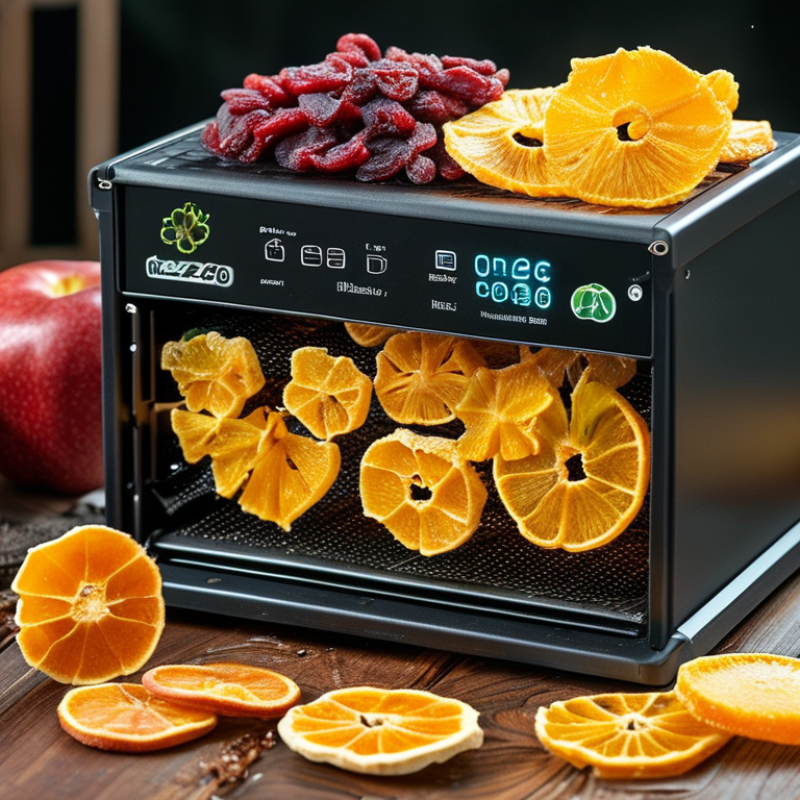
Top Factors Influencing the Selection of Fruit Dryers in China
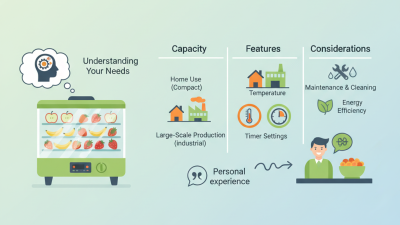
When selecting fruit dryers in China, buyers must consider several critical factors. Efficiency is paramount. The right dryer should effectively reduce moisture while preserving flavor and nutrients. Performance metrics, such as drying time and energy consumption, inform decisions. Durability also matters. A robust unit can withstand continuous operations in commercial settings.
Another factor is technology. Advanced models feature precise temperature control and sensors for optimal results. Users often look for automated systems that reduce manual intervention. Additionally, ease of cleaning and maintenance is essential. A machine that is hard to clean can lead to downtime.
Cost is a significant consideration, but it is not the only one. Buyers reflect on the long-term investment. The longevity of the dryer affects overall expenses. A cheaper model might save money upfront, but it may require more frequent replacements. These reflections lead to informed choices that balance initial costs with efficiency and durability.
Top Factors Influencing the Selection of Fruit Dryers in China
Overview of Leading Fruit Dryer Manufacturers in China for 2026
As the demand for dried fruit continues to rise globally, China stands out as a leading manufacturer of fruit dryers. Various companies in China have specialized in producing advanced machines that cater to different fruit types. These manufacturers focus on energy efficiency and high-quality drying processes.
When considering a fruit dryer, pay attention to the drying technology used. Various methods exist, like hot air drying and freeze drying. Each method has its pros and cons. It’s essential to reflect on what suits your needs best. Do you prioritize speed or quality?
The market is vast, with newer players emerging regularly. Some companies might showcase impressive specs but lack real-world performance. Research is crucial. Reviews from other users can provide insight into the reliability of different models. This helps in making an informed decision. Always compare options before buying.
Technological Innovations in China's Fruit Drying Equipment
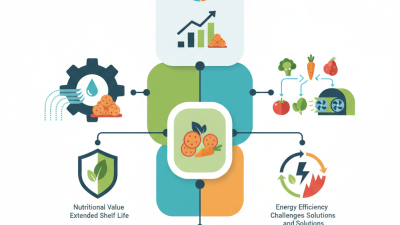
In recent years, China has emerged as a leader in the fruit drying equipment industry. Technological innovations have transformed traditional drying methods. Enhanced efficiency and reduced energy consumption are now hallmarks of modern fruit dryers. These advancements help farmers preserve the quality of fruits while extending their shelf life.
Newer models incorporate precision temperature control and humidity management. Such features ensure consistent drying and prevent spoilage. Solar-powered options are gaining traction. These systems embody sustainability while offering cost-effective solutions. However, not every machine meets the ideal standards. Some still require further refinement to maximize their potential.
The integration of smart technology is another notable trend. Automated systems can track and analyze drying conditions in real time. This data-driven approach can yield better results, although some users find it overwhelming. Training is essential to fully utilize these advancements. Fostering user knowledge remains a challenge within the industry. The balance between innovation and usability requires ongoing attention.
Top China Fruit Dryers for Global Buyers 2026 - Technological Innovations in China's Fruit Drying Equipment
| Model |
Drying Capacity (kg/h) |
Energy Consumption (kWh) |
Heating Method |
Technology Features |
| Model A |
150 |
50 |
Electric |
Automated Temperature Control |
| Model B |
200 |
60 |
Gas |
Inverter Technology |
| Model C |
300 |
80 |
Solar |
Eco-Friendly Design |
| Model D |
120 |
40 |
Electric |
Smart Monitoring System |
| Model E |
250 |
70 |
Biofuel |
Hybrid Energy Source |
Market Trends and Consumer Preferences in the Global Fruit Dryer Sector
The global fruit dryer market is evolving rapidly. Trends show a growing preference for energy-efficient models. Consumers are seeking machines that maintain fruit nutrients while ensuring great taste. This demand shapes product development in various ways. Sustainable methods are becoming more popular, and buyers are paying attention to this shift.
Market research indicates that many consumers prefer compact designs. These fit conveniently in modern kitchens, appealing to urban dwellers. There’s also an interest in multi-functional devices. Machines that can dehydrate, ferment, and preserve are highly sought after. However, quality and performance concerns remain. Some customers report inconsistent drying results, highlighting the need for user education.
Feedback from users emphasizes the importance of ease of use. Buyers want straightforward controls and clear instructions. A few report struggles with complex settings. As manufacturers refine their products, addressing these concerns is crucial. Engaging consumers in the design process could lead to innovative solutions that meet market demands. This effort could revolutionize the global fruit dryer sector in the coming years.
Comparative Analysis of Pricing for Chinese Fruit Dryers in International Markets
As global demand for dried fruits continues to rise, Chinese manufacturers are stepping up production. The efficiency and technology of Chinese fruit dryers are drawing interest. However, pricing structures across international markets reveal significant variances. Understanding these can help buyers make informed decisions.
A comparative analysis of pricing shows that Chinese fruit dryers can vary widely in cost. Factors include design, capacity, and technological features. Some models are inexpensive but may lack efficiency. Others are pricier but deliver superior drying capabilities. Buyers must evaluate their needs closely, rather than solely focusing on price. Local import taxes also play a crucial role in overall cost.
While China's dominance in this market is evident, it's essential to consider the long-term performance of these products. Reliability and durability should not be overlooked. Not all low-cost options will serve well in the long run. In seeking the best value, buyers need to weigh initial costs against future operational efficiency. This nuanced approach ensures that investments yield satisfactory results over time.