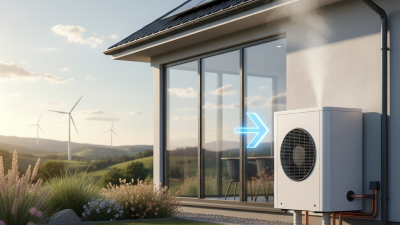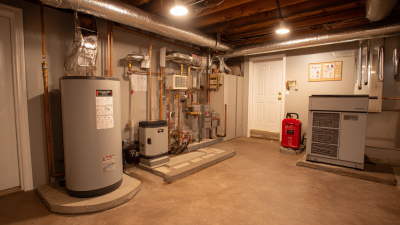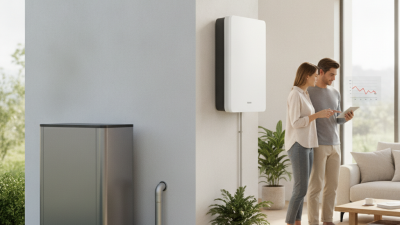
China’s heat pump sector has grown from a domestic manufacturing base into a major source of equipment for homes, hotels, and commercial buildings. This guide to China’s top 10 air energy heat pump manufacturers offers a starting point for buyers comparing suppliers. Air Energy Heat Pumps draw heat from outdoor air and transfer it indoors for space heating or hot water. Their performance depends on more than a headline efficiency rating. Climate, installation quality, noise limits, and local service all matter.
The companies in this overview should be assessed through practical evidence: product range, manufacturing experience, published test data, certifications, and export support. Look closely at operating temperatures, defrost behavior, controls, and warranty terms. A brochure may show strong performance at mild temperatures, while a cold winter tells a different story. Ask for test conditions and references from installations similar to yours. Small details matter.
No single ranking fits every project. A contractor may value spare-parts access, while a property owner may focus on quiet operation and running costs. Some manufacturers communicate technical limits clearly; others leave buyers with questions. That deserves a second look. Use this list to guide research, not replace it. Confirm specifications directly with each supplier, and compare complete system costs rather than equipment prices alone. A careful comparison can reduce surprises, though no checklist removes every risk.
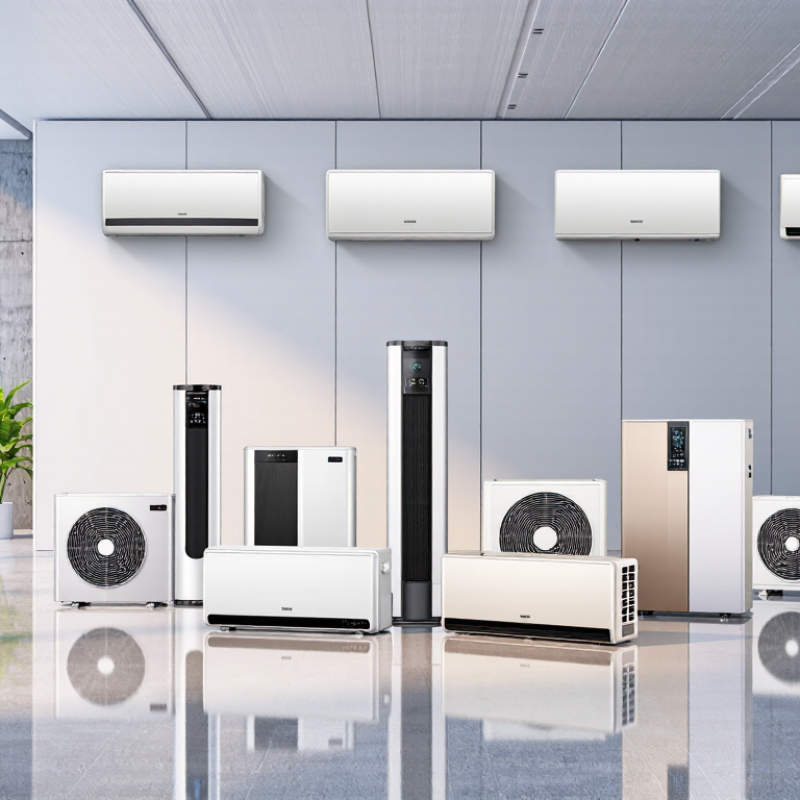
An air energy heat pump moves heat rather than creating it through direct combustion. Its outdoor unit draws energy from surrounding air, even on cool days. A refrigerant carries that heat through a compressor and heat exchanger. The system then delivers warmth to indoor air or water. Some models can also provide cooling. The basic idea is simple. The details matter.
In real use, output and efficiency depend on outdoor temperature, equipment sizing, and installation quality. Cold weather can reduce available heat, while frost may trigger a defrost cycle. That can briefly interrupt heating. A poorly insulated home may also need more heat than the system can comfortably supply. An installer should assess the building, local climate, and existing radiators or underfloor heating before recommending a setup.
Tips: Check the unit’s rated performance at your region’s winter temperatures, not only its mild-weather efficiency. Keep outdoor airflow clear of leaves and snow. Ask how the system handles defrosting and what routine maintenance involves. One detail is easy to overlook: a heat pump may be efficient on paper but still perform poorly if its controls or heat emitters are mismatched. Real-world results deserve attention.
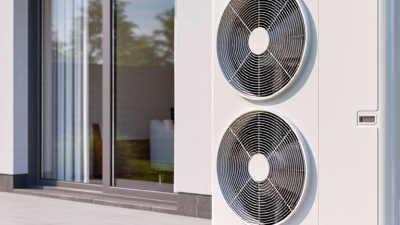
China’s air energy heat pump industry serves homes, commercial buildings, and industrial users. Its growth reflects wider interest in efficient heating and hot water, alongside ongoing upgrades to building systems. Manufacturers operate within a broad supply chain that includes compressors, heat exchangers, controls, and installation services. The equipment draws heat from outdoor air, so performance depends on local temperatures and system design. A unit suited to a mild coastal winter may need different settings from one used in a colder inland city.
Technical details matter. Engineers assess defrost cycles, water temperature, insulation, and the home’s existing pipes before choosing a system. In cold weather, a poorly matched unit can consume more electricity or deliver uneven heating. That sounds simple. It isn’t. Product testing and clear operating data help buyers compare performance, but installation quality can still vary. Service access matters too, especially when a system runs through a long heating season. The industry continues to balance lower operating costs with upfront price, reliable cold-weather output, and practical maintenance. Some marketing claims can sound more certain than real-world conditions allow; climate, usage, and workmanship all change the result.
When comparing Chinese air-source heat pump manufacturers, look beyond catalogue COP figures. The International Energy Agency’s 2022 report, The Future of Heat Pumps, says heat pumps can be three to five times more energy-efficient than gas boilers. Actual performance still depends on climate, water temperature, defrost cycles, and installation. Ask for independently tested results at low outdoor temperatures, not only mild laboratory conditions. Check whether the stated capacity holds when frost gathers on the outdoor coil. That detail matters.
Factory capability also needs evidence. Review production-line quality checks, component traceability, warranty terms, and access to replacement parts. The European Heat Pump Association’s 2024 market report recorded roughly three million heat pump sales across 21 European countries in 2023, down 6.5% from 2022. That fluctuation is a useful reminder: export demand can shift, so a supplier’s service plan deserves as much scrutiny as its output figures. Request sample test records and ask how faults are handled during peak winter weeks. A polished factory tour helps, but it cannot replace consistent field data. No checklist is perfect. Even careful buyers may miss differences between test conditions and real homes.
China’s air energy heat pump sector includes manufacturers with different strengths, production scales, and service models. A useful profile looks beyond catalog claims. It examines product ranges, factory capabilities, testing procedures, and support after installation. Details matter. For example, a buyer may ask how a unit performs during a cold, damp morning, not just under ideal test conditions.
Across ten manufacturer profiles, compare heating capacity, operating temperature range, noise levels, and control options. Check whether performance data comes from documented tests and whether installation guidance is clear. Some producers focus on residential systems; others supply equipment for hotels, workshops, or larger buildings. These differences can make a direct ranking misleading. A compact home unit and a commercial system do not serve the same purpose.
Service deserves equal attention. Ask about spare-part availability, commissioning advice, and response times in the target market. Factory size can indicate production capability, but it cannot prove consistent quality on its own. That point is easy to overlook. Profiles should therefore distinguish verified information from promotional language, while noting where public data is incomplete. A careful comparison is useful, though never perfect; actual results still depend on climate, system design, and installation.
Global warming potential (GWP) over 100 years, relative to carbon dioxide (CO₂ = 1). Lower values indicate lower climate impact if released.
Values shown are published 100-year GWP figures from the IPCC Fourth Assessment Report. Refrigerant choice is one factor to consider; system efficiency, safety requirements, and applicable regulations also matter.
A meaningful comparison of China’s ten leading air energy heat pump manufacturers starts with product range, not headline capacity. Many offer air-to-water systems, including monobloc and split designs, alongside units for domestic hot water, swimming pools, and commercial heating. Some focus on compact residential models; others provide modular equipment for hotels, schools, or light industrial sites. Details matter.
For a home with underfloor heating, a low-temperature heat pump may suit steady operation. Radiator retrofits need closer checks on output at higher water temperatures. In colder regions, ask about operating limits, defrost behavior, and backup heating. Commercial projects also require attention to noise levels, water flow, controls, and whether several units can work together. Not every site fits.
When comparing manufacturers, review capacity and efficiency under the same test conditions. Seasonal performance figures are more useful when the climate and water temperature match your project. Ask for installation manuals, warranty terms, spare-parts access, and local technical support. A datasheet cannot show how quickly service teams respond. That gap matters. One imperfect part of the process is that published figures may not reflect a poorly insulated building or incorrect system sizing, so request project-specific calculations before choosing equipment.
This anonymized, category-level comparison covers ten common air-source heat pump product configurations. It is not a verified ranking of ten manufacturers. Product availability, operating limits, and performance vary by model; confirm specifications with each supplier.
| No. | Product Configuration | Typical Product Range | Common Applications | Typical System Design | Comparison Considerations |
|---|---|---|---|---|---|
| 1 | Residential air-to-water monobloc | Outdoor unit with integrated refrigerant circuit; heating, and often domestic hot water when paired with a cylinder. | Detached homes, apartments with suitable outdoor-unit locations, and low-temperature hydronic systems. | Water pipes connect the outdoor unit to the indoor heating circuit; freeze protection and installation details require attention. | Check declared capacity at the local design temperature, sound data, defrost behavior, controls, and installer support. |
| 2 | Residential split air-to-water | Separate outdoor and indoor sections; may be offered for space heating, cooling, and domestic hot water. | Homes where indoor hydraulic equipment is preferred or where water pipes should not run outdoors. | Refrigerant piping connects the outdoor and indoor units; installation involves refrigerant-side work. | Compare allowable pipe length and lift, refrigerant requirements, commissioning needs, and service access. |
| 3 | Domestic hot water heat pump | Standalone water-heating unit, commonly incorporating a storage tank; some designs use duct connections. | Household hot water, staff facilities, and small lodging or service applications sized to demand. | Heats stored water using heat extracted from surrounding or ducted air; auxiliary heating may be included. | Check tank capacity, recovery time, standby losses, air-path requirements, water hygiene provisions, and backup-heater controls. |
| 4 | Low-temperature hydronic heat pump | Air-to-water models intended for lower-temperature water delivery, often paired with underfloor heating or oversized emitters. | New-build homes and well-insulated buildings with appropriately sized hydronic emitters. | Designed to supply space heating efficiently when the building can maintain comfort with relatively low water temperatures. | Compare seasonal performance under the same test method and water-temperature conditions; assess building heat loss and emitter sizing. |
| 5 | High-water-temperature retrofit model | Air-to-water models designed to serve higher-temperature heating circuits; available operating limits differ by model. | Existing buildings with radiators or other emitters that may require hotter water, subject to a heat-loss and system assessment. | May operate with existing emitters or require emitter upgrades; backup heat can be part of the system design. | Verify capacity and efficiency at the required leaving-water temperature and outdoor condition, rather than relying on headline values. |
| 6 | Commercial modular air-to-water system | One or more modules for hydronic heating and, where supported, cooling and domestic hot water. | Offices, schools, retail buildings, hotels, and other facilities with central hydronic plant. | Multiple units can be staged and integrated with pumps, buffer tanks, controls, and building-management systems. | Assess part-load control, redundancy strategy, hydraulic design, sound, controls integration, and local service capability. |
| 7 | Swimming-pool heat pump | Air-to-water units configured for pool-water heating; some versions are intended for outdoor pool environments. | Residential pools and selected commercial pool applications, subject to unit capacity and operating conditions. | Transfers heat from outdoor air to pool water through a heat exchanger; water treatment and piping must suit the unit. | Check pool volume and heat loss, ambient operating range, corrosion protection, water-flow requirements, and sound levels. |
| 8 | Commercial heat recovery or reversible system | Air-source systems that provide heating and/or cooling; simultaneous heat recovery depends on the system design. | Commercial buildings with changing heating and cooling loads, such as hotels, offices, and mixed-use facilities. | May connect to hydronic distribution and controls that coordinate heating, cooling, and recovered heat. | Confirm whether simultaneous heating and cooling is supported, operating modes, control interfaces, and performance at design loads. |
| 9 | Industrial process heat pump | Project-specific equipment for process water or other heat-transfer duties; available temperature and capacity ranges are model-dependent. | Selected industrial processes, heat recovery, washing, drying, and low- or medium-temperature process heating. | Typically engineered around defined source and sink conditions, process flow, water quality, and integration requirements. | Request a duty-point proposal, operating envelope, materials compatibility, control sequence, and validated performance data. |
| 10 | Integrated heat pump system | Heat pump packaged or configured with components such as a hot-water cylinder, buffer tank, controls, or auxiliary heater. | Residential and light-commercial projects seeking coordinated heating, hot water, and system controls. | Combines heat-pump operation with storage and hydraulic components; solar or other heat sources may be integrated where supported. | Compare package scope, component compatibility, control functions, installation responsibilities, warranty coverage, and service arrangements. |
Supplier verification: Request model-specific capacity and efficiency data at stated outdoor-air and water temperatures, applicable certifications for the destination market, sound data, warranty terms, spare-parts availability, and references for comparable installations.