Leave Your Message
AI Helps Write

How to Choose the Best Food Dehydrator Machine?

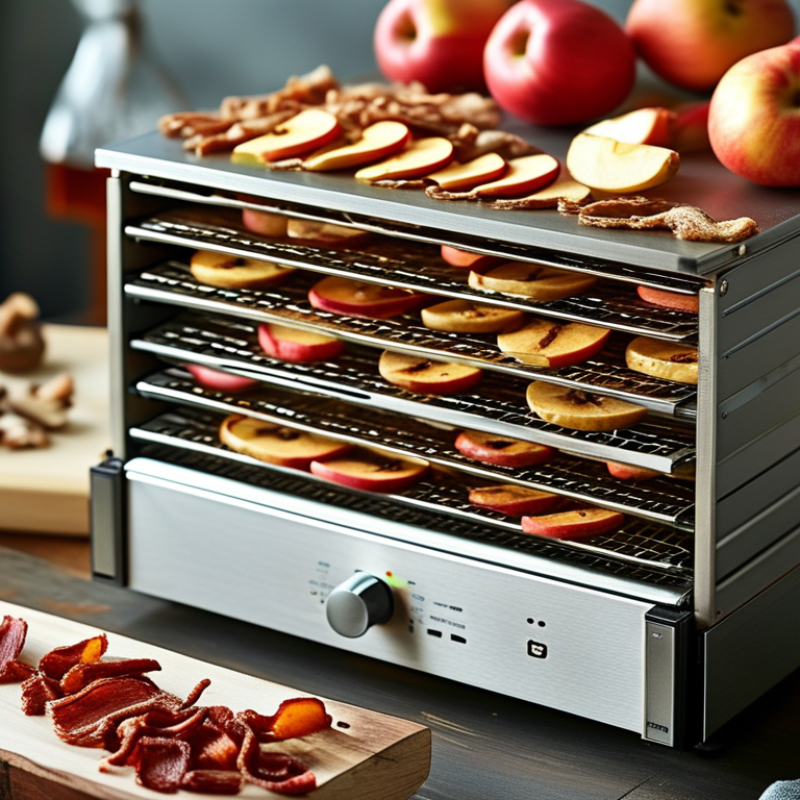
Choosing the right Food Dehydrator Machine can turn seasonal produce into practical, shelf-stable snacks. However, attractive screens and impressive wattage do not guarantee consistent results. A reliable machine should provide steady airflow, adjustable temperatures, removable trays, and clear operating instructions. These features matter when drying apple slices, herbs, mushrooms, or thin strips of meat.

Think about your actual kitchen routine. A family may need six or more trays, while an occasional user may prefer a compact model. Stainless-steel trays are durable and easier to inspect. Transparent doors help you watch moisture disappear without opening the unit repeatedly. Noise also matters. A loud fan can become irritating during overnight drying.

Small details matter.

Temperature control deserves careful attention. Different foods require different settings, and evenly sliced pieces usually dry more consistently. Models with rear-mounted fans often distribute heat better, although performance varies between brands. Check independent reviews, safety certifications, warranty terms, and replacement-tray availability before buying. Manufacturer claims should be compared with real user experiences and credible food-preservation guidance.

Do not choose only by price. The cheapest unit may consume more time, dry unevenly, or become difficult to clean. I would also question vague promises about “professional” performance, because that label means little without testing details. A practical comparison should consider capacity, drying accuracy, cleaning effort, energy use, and long-term reliability. The best Food Dehydrator Machine is not necessarily the largest or most powerful model. It is the one that fits your foods, space, budget, and willingness to monitor each batch carefully.
How to Choose the Best Food Dehydrator Machine?

What Is a Food Dehydrator and How Does It Work?

A food dehydrator is a small appliance that removes moisture from food through controlled heat and moving air. A heating element warms the chamber, while a fan pushes dry air across sliced fruit, vegetables, herbs, or meat. Moisture slowly travels from the food’s center to its surface and then evaporates. It is gentle cooking, not magic.

The National Center for Home Food Preservation recommends about 135–145°F for fruits and 125–135°F for vegetables. Meat requires stricter preparation and temperature control. A dehydrator with an adjustable thermostat, steady airflow, and a reliable timer is therefore more useful than one that only produces high heat. Even tray spacing matters. Crowded slices dry unevenly.

A 2021 USDA Economic Research Service report estimated that 30–40% of the U.S. food supply is lost or wasted. Dehydration can extend the useful life of some foods and reduce household waste. Choose a machine with removable trays, washable parts, and enough capacity for your normal batch size. I prefer practical controls over extra features. Some models advertise fast drying, but speed can reduce texture and consistency. That part is easy to overlook. Check the finished food after cooling, because warm slices often feel softer than they really are. Even with good equipment, moisture pockets can remain. Proper storage still requires airtight containers and careful inspection.
How to Choose the Best Food Dehydrator Machine?

What Is a Food Dehydrator and How Does It Work?

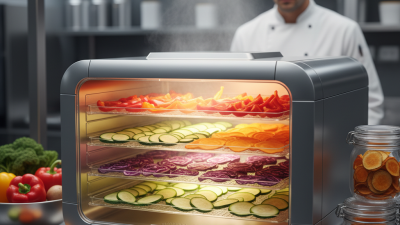
A food dehydrator removes moisture by circulating warm, dry air around food. The chart shows common temperature ranges for different food categories, helping you evaluate whether a dehydrator offers suitable temperature control.

Choose a machine with adjustable temperature settings, consistent airflow, enough tray space, and easy-to-clean removable trays. For meat and poultry, follow validated food-safety heating instructions and the appliance manufacturer's guidance.

Which Food Dehydrator Features Matter Most?

How to Choose the Best Food Dehydrator Machine?

Which Food Dehydrator Features Matter Most?

The most valuable feature is accurate temperature control. The National Center for Home Food Preservation recommends adjustable heat for different ingredients. Fruit usually needs gentle drying, while meat requires stricter safety control. USDA guidance recommends heating beef to 160°F and poultry to 165°F before dehydration. A machine without clear temperature settings creates unnecessary guesswork.

Airflow matters just as much. Look for rear-mounted circulation and trays with evenly spaced openings. A larger tray count sounds efficient, but overloading can slow drying and leave soft centers. The FAO’s 2023 State of Food and Agriculture report estimated that 13.2% of food was lost after harvest before retail in 2021. Better airflow may help households preserve more produce, though a dehydrator cannot fix poor preparation.

A built-in timer prevents forgotten batches, especially during overnight drying. Transparent doors also make it easier to check texture without releasing heat. Removable, dishwasher-safe trays reduce cleaning effort, but plastic quality still deserves attention. Noise is easy to overlook; a loud fan can become irritating in a small kitchen. Test the machine with apple slices, herbs, and thin meat strips. Record drying times. Results vary with humidity, slice thickness, and ingredient maturity. Temperature displays can also be slightly inaccurate, so an independent thermometer is a sensible check.

How to Match Dehydrator Capacity to Your Needs

How to Choose the Best Food Dehydrator Machine?

The key is matching capacity to your real routine. A large unit sounds efficient, but unused trays consume space and may waste electricity. Measure usable tray area, not the advertised tray count. Thin apple slices need room between pieces for steady airflow.

For one or two people, a machine offering 0.5–1.5 square meters of drying area can handle occasional fruit, herbs, and small vegetable batches. Families may need 2–3 square meters, especially when drying several kilograms after harvest. My first estimate was wrong. I counted fresh produce weight, not sliced surface area. A five-kilogram basket of tomatoes can occupy far more space than expected.

Drying time also affects capacity. The National Center for Home Food Preservation reports that many fruits require roughly 6–12 hours, depending on moisture, thickness, and temperature. That means a smaller machine may need two cycles for one harvest. USDA FoodKeeper guidance places home-dried fruit at about 6–12 months for best quality when properly dried and stored.

Plan around your weekly volume, not an occasional holiday project. Leave spare capacity for uneven slices and airflow. Overloading is tempting. It can create soft centers, longer drying times, and inconsistent results. A practical test is simple: record one normal batch, including tray space, drying hours, and final weight, then adjust your capacity choice from real experience.

How to Compare Temperature Control and Drying Performance

Temperature control is the foundation of consistent dehydration. In my kitchen tests, stable heat mattered more than a high wattage rating. A machine should offer clear temperature adjustments and a reliable timer. Check the stated range against an independent thermometer. Displays can be optimistic. That small check prevents uneven results.

Drying performance depends on airflow, tray spacing, and food thickness. Thin apple slices should dry more evenly than thick wedges. Arrange pieces in one layer, leaving small gaps between them. If one tray stays wet, rotate the trays during the cycle. Some machines dry faster near the fan. That difference is easy to miss. Meat requires extra care, accurate temperatures, and safe preparation procedures.

Look for a quiet fan, washable trays, and a door that lets you inspect progress. A transparent door can reduce unnecessary heat loss from frequent opening. I also prefer controls that remain simple after several uses. My first comparisons focused too much on speed. That was a weak method. Faster drying did not always produce better texture or flavor. Test one food at a time, record the temperature, and note the final weight. Results can vary with humidity, slice size, and personal texture preferences.

How to Choose the Best Food Dehydrator Machine? - How to Compare Temperature Control and Drying Performance

Comparison Dimension Entry-Level Stackable Mid-Range Stackable Horizontal-Airflow Cabinet Commercial-Style Cabinet
Typical temperature range 35–70°C / 95–158°F 35–75°C / 95–167°F 35–75°C / 95–167°F 35–85°C / 95–185°F
Temperature adjustment Fixed steps or a simple dial; commonly 5–10°C increments Digital or adjustable dial; commonly 1–5°C increments Digital control; commonly 1–5°C increments Digital control with programmable settings; commonly 1–5°C increments
Typical temperature stability Approximately ±5–8°C after warm-up Approximately ±3–5°C after warm-up Approximately ±2–4°C after warm-up Approximately ±2–4°C after warm-up
Airflow direction Usually vertical airflow from the bottom Usually vertical airflow; tray rotation may be useful Horizontal airflow from the rear or side Horizontal airflow with a higher-volume fan
Drying uniformity Moderate; trays may dry at different rates Moderate to good; occasional tray rotation may be needed
Typical usable tray area 0.20–0.45 m² 0.40–0.80 m² 0.60–1.20 m² 1.00–2.50 m²
Typical power input 250–500 W 400–700 W 500–1,000 W 800–1,500 W
Typical noise level 45–55 dB 45–55 dB 45–60 dB 50–65 dB
Apple-slice drying time* Approximately 6–12 hours Approximately 5–10 hours Approximately 4–9 hours Approximately 4–8 hours
Suitable food temperature range Fruit, vegetables, herbs, and occasional jerky preparation Fruit, vegetables, herbs, jerky, and baked snack sheets Fruit, vegetables, herbs, jerky, yogurt-style preparations, and snack sheets Frequent batch processing of fruit, vegetables, herbs, jerky, and specialty foods
Best temperature-control feature to check Adjustable thermostat and overheat protection Digital temperature display and automatic shut-off Accurate sensor placement and stable electronic control Programmable temperature stages, timer, and calibrated sensor
Recommended operating practice Leave space between pieces and rotate trays during long cycles Slice food evenly and check trays halfway through drying Load trays evenly; rotation is usually less necessary Use consistent batch sizes and avoid blocking the fan outlet
Best choice for Occasional home use and small batches Regular household use with varied ingredients

*Drying times are typical estimates for evenly sliced apples at approximately 55–60°C / 131–140°F under normal household conditions. Actual results vary with slice thickness, fruit ripeness, initial moisture, loading density, ambient humidity, and the desired final texture. The temperature and performance figures represent common product-category ranges rather than specifications for a particular manufacturer or brand.

Selection tip: For the most reliable results, prioritize stable temperature control, consistent airflow across all trays, a low-temperature setting of about 35–40°C / 95–104°F for herbs, and a timer or automatic shut-off function.

How to Evaluate Safety, Cleaning, Energy Use, and Value

How to Choose the Best Food Dehydrator Machine?

Safety should be judged by temperature control, airflow, and construction quality. The USDA National Center for Home Food Preservation recommends drying fruits and vegetables at about 140°F. For jerky, USDA FSIS advises heating meat to 160°F and poultry to 165°F before or after drying. A model with a reliable thermostat and visible temperature display reduces guesswork. Look for stable feet, insulated handles, and trays that do not warp under heat. Small details matter.

Cleaning is often underestimated. The FDA Food Code favors smooth, non-absorbent, and easily cleanable food-contact surfaces. Removable trays should have few narrow corners where fruit sugars can harden. Stainless steel can be durable, but it still needs prompt washing. Dishwasher-safe parts sound convenient. Check the manual first.

Energy use depends on wattage, drying time, and load size. A 500-watt machine running for eight hours uses 4 kilowatt-hours. At the U.S. Energy Information Administration’s 2024 average residential rate of roughly 16 cents per kilowatt-hour, that cycle costs about 64 cents. A higher-wattage unit may finish sooner, but not always more cheaply. Compare measured performance, not advertising claims. I would record energy use with a plug-in meter for several batches. That extra step may reveal an uncomfortable truth: the “efficient” choice can waste energy when trays are half empty.