Top 10 Benefits of Water Heatpump for Global Buyers?
In recent years, the demand for sustainable energy solutions has surged, leading to the rise of the Water Heatpump industry. John Smith, a renowned expert in renewable energy systems, once stated, "Water Heatpumps are a game-changer for energy efficiency." This sentiment echoes throughout the market as global buyers explore their numerous benefits.
Water Heatpumps utilize ambient temperature to provide heating and cooling. They have caught the attention of environmentally conscious consumers and businesses. The technology not only reduces energy consumption but also promotes a greener lifestyle. Conserving energy is more than just a trend; it's a necessity in today's world.
However, transitioning to Water Heatpumps is not without its challenges. Initial installation costs can be high, creating hesitation for some buyers. Further, understanding how these systems work can be complex. Despite these obstacles, the benefits are substantial. Water Heatpumps offer long-term cost savings and lower carbon footprints, making them a worthy investment for the future.
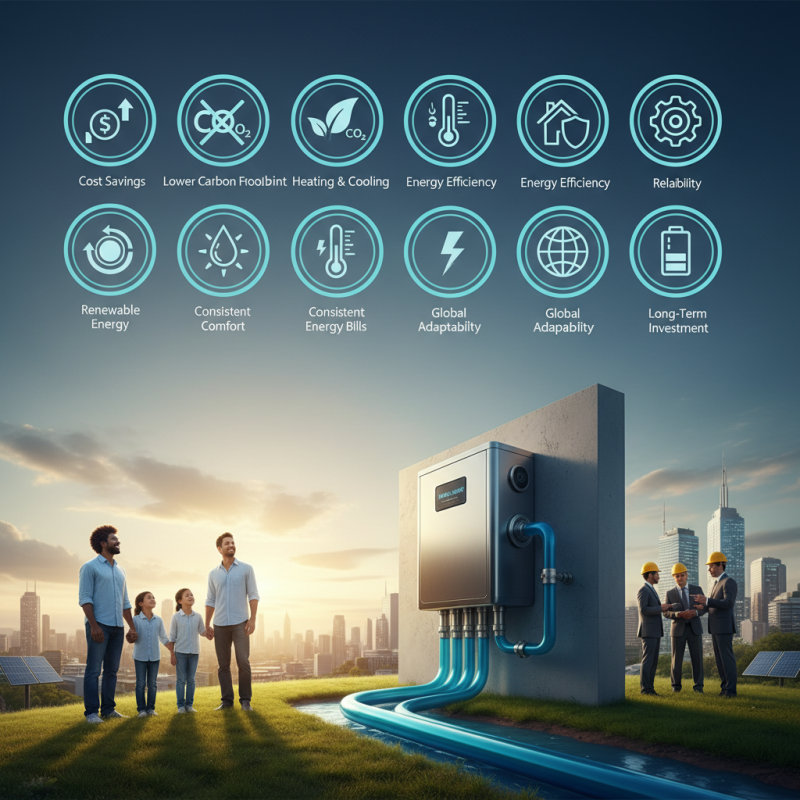
Understanding Water Heat Pumps: An Overview
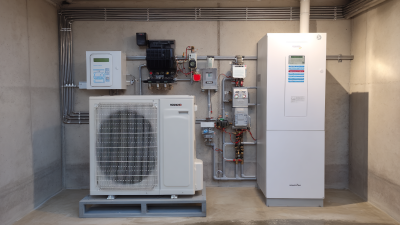
Water heat pumps are gaining traction globally due to their efficiency and sustainability. They operate by transferring heat from water sources, making them eco-friendly alternatives to conventional heating systems. According to a report by the International Energy Agency (IEA), water heat pumps can reduce energy consumption by up to 70% compared to traditional electric heating methods. This statistic highlights their potential in achieving energy efficiency in residential and commercial settings.
The technology behind water heat pumps relies on the principles of thermodynamics. They draw thermal energy from lakes, rivers, or groundwater and transfer it into buildings. This method not only cuts down on greenhouse gas emissions but also provides a significant return on investment over time. However, the installation costs can be high, and the performance is influenced by water temperature and local climate conditions.
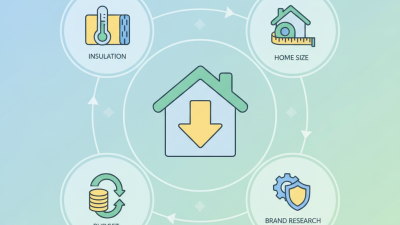
Many users report that initial challenges include understanding the operational aspects and maintenance needs. Proper site assessments are crucial. Water heat pumps require adequate space for installation and may not suit all locations evenly. This variability makes it essential for buyers to conduct comprehensive research before making a purchase. Engaging with professionals could enhance decision-making and maximize the technology's advantages.
Energy Efficiency: Reducing Consumption and Costs
The energy efficiency of water heat pumps is a significant advantage for global buyers. Reports indicate that these systems can reduce energy consumption by up to 75% compared to traditional heating methods. This remarkable efficiency translates to substantial cost savings in energy bills. For instance, a study from the International Energy Agency (IEA) revealed that shifting to heat pumps could save consumers approximately $1,700 annually on average.
Moreover, water heat pumps utilize renewable energy from the ground, air, or water, making them sustainable options. They produce more energy than they consume, boasting a coefficient of performance (COP) of 3 to 5. This means for every unit of energy used, they produce three to five units of heating or cooling. Such data highlights their potential to lower overall carbon footprints.
However, installation costs may seem high initially. Buyers should consider long-term ROI and energy savings. Understanding local climates and energy sources can also affect performance. Not all environments will yield the same efficiency levels, which is a crucial factor for potential users to consider. It’s essential to weigh these aspects carefully to make informed decisions.
Environmental Impact: Sustainable Heating Solutions
Water heat pumps offer a sustainable solution to heating needs. They utilize renewable energy sources, significantly reducing greenhouse gas emissions. Using ambient air, water, or ground heat, these systems draw energy from natural elements. This process consumes less electricity compared to traditional heating methods, promoting eco-friendly practices.
The reduction of carbon footprints is crucial as climate change becomes more pressing. Water heat pumps improve energy efficiency in homes and businesses. They provide consistent temperatures without relying heavily on fossil fuels. Banning harmful fuels in favor of cleaner options reflects a shift towards a healthier planet.
Adopting water heat pumps does not come without challenges. Some regions may lack the necessary infrastructure for installation. Additionally, upfront costs can deter potential users. Yet, the long-term savings on energy bills and reduced environmental impact are worth considering. Embracing this technology requires a commitment to sustainability. Overall, the transition to water heat pumps can foster a more responsible approach to energy consumption.
Versatility: Applications in Various Settings
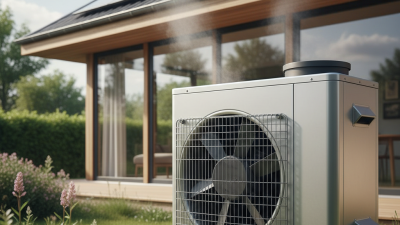
Water heat pumps are gaining popularity for their versatility in various settings. They can be used in residential homes, commercial spaces, and industrial applications. According to the International Energy Agency, investments in heat pump technology are expected to double by 2025 due to rising energy costs and the need for efficient heating solutions. This equipment is not only reliable but also adaptable to different climatic conditions, making it suitable for urban and rural areas alike.
One of the most appealing aspects of water heat pumps is their ability to provide both heating and cooling. They harness ambient heat from water sources, significantly reducing energy consumption. A recent report from the Global Energy Institute indicates that heat pumps can reduce energy use by 30 to 50% compared to traditional heating systems. This adaptability allows for installations in various environments, whether in new constructions or retrofitting older buildings.
**Tip:** When considering a water heat pump, assess local temperatures. This can impact efficiency and performance.
Another advantage is their eco-friendliness. They help reduce carbon footprints by relying on renewable energy sources. Many regions promote their use through incentives and rebates. However, upfront costs can be high. Prospective buyers should weigh long-term savings against initial investments.
**Tip:** Research local incentives for water heat pump installations. They can significantly offset your costs.
Top 10 Benefits of Water Heatpump for Global Buyers
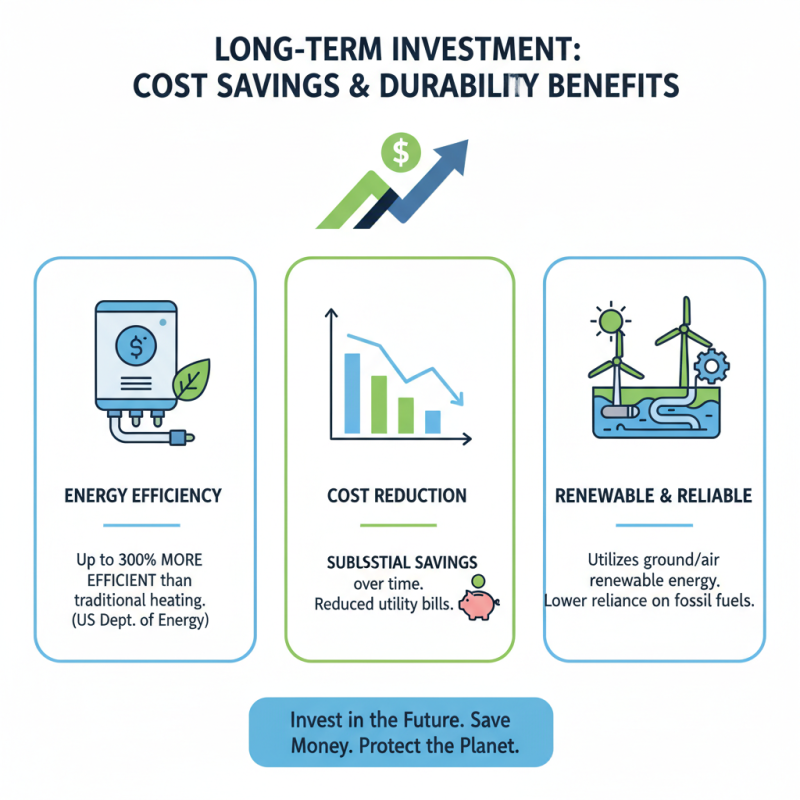
Long-Term Investment: Cost Savings and Durability Benefits
Water heat pumps are a long-term investment that can significantly reduce energy costs. According to the U.S. Department of Energy, these systems can be up to 300% more efficient than traditional heating methods, leading to substantial savings over time. They utilize renewable energy from the ground or air, greatly lowering reliance on fossil fuels.
Durability is another compelling aspect of water heat pumps. When properly maintained, these systems can last over 20 years. A report by the International Energy Agency reveals that life-cycle costs of water heat pumps are lower than other heating systems. However, installation complexity can be a challenge. It requires skilled professionals and may need specific local conditions. Buyers should weigh initial installation costs against long-term savings.
Homeowners may face unexpected issues such as space limitations or regional climate variations. These factors might affect system efficiency. It is essential to assess local conditions carefully. Professional guidance can aid in decision-making and ensure that a water heat pump is the best fit for one's needs.