Top 10 Inverter Heat Pump Solutions for Global Buyers?
Inverter Heat Pumps have emerged as a superior choice for energy-efficient heating and cooling. Recent industry reports indicate that the global market for these systems is expected to reach approximately $20 billion by 2025. With their ability to significantly reduce energy consumption, inverter heat pumps are becoming more popular among eco-conscious consumers and commercial buyers.
These systems are not just about saving money; they also contribute to reducing carbon footprints. A study by the International Energy Agency shows that transitioning to inverter heat pump technology could lower global CO2 emissions by up to 15%. Despite their advantages, many buyers may struggle with selecting the right unit. The diversity in product offerings can cause confusion, and not all systems are created equal.
Top manufacturers of inverter heat pumps are now providing advanced solutions tailored to various climates and applications. Each product has unique features and performance metrics, making careful research essential. In this evolving market, understanding the balance between cost, efficiency, and reliability becomes crucial for buyers. Investing in the right inverter heat pump can lead to substantial long-term benefits, but it requires informed decision-making.
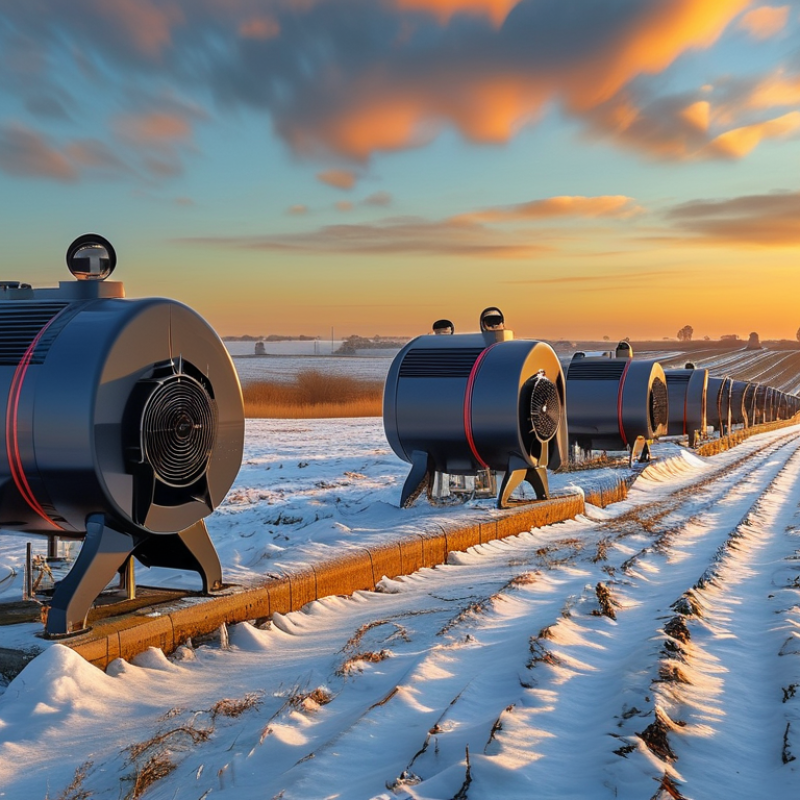
Top 10 Inverter Heat Pumps: Overview of Key Features and Benefits
Inverter heat pumps offer energy-efficient solutions for temperature control. They can reduce energy consumption by up to 30% compared to traditional systems. The advanced technology allows for better regulation of indoor climates. These systems adjust their output according to the needs of a space, ensuring optimal comfort levels.
Key features of inverter heat pumps include high SEER ratings, quiet operation, and quick heating or cooling capabilities. Reports highlight that these models can deliver up to 4.5 COP, which indicates higher efficiency. Homeowners can enjoy lower utility bills while maintaining environmental responsibility. The compact design of some units also allows for easier installation in various settings.
Tips: Choose a model with a high HSPF rating for enhanced heating efficiency during colder seasons. Regular maintenance is crucial; check filters monthly to ensure peak performance. Consider the size of your space to avoid under- or over-sizing the unit, which can lead to inefficiencies.
Top 10 Inverter Heat Pump Solutions for Global Buyers
| Model |
Cooling Capacity (kW) |
Heating Capacity (kW) |
Energy Efficiency Ratio (EER) |
Seasonal Coefficient of Performance (SCOP) |
Noise Level (dB) |
Price Range (USD) |
| Model A |
4.0 |
6.0 |
3.5 |
4.5 |
45 |
1500-1800 |
| Model B |
5.0 |
8.0 |
3.8 |
5.0 |
42 |
1600-2000 |
| Model C |
3.5 |
5.5 |
3.2 |
4.2 |
48 |
1400-1700 |
| Model D |
6.0 |
9.0 |
4.0 |
5.5 |
40 |
1800-2200 |
| Model E |
2.8 |
4.5 |
3.0 |
3.7 |
50 |
1200-1500 |
Market Analysis: Current Trends in Inverter Heat Pump Adoption Worldwide
Inverter heat pumps are gaining traction worldwide. Recent data suggests a consistent increase in adoption rates. According to a report by Allied Market Research, the global inverter heat pump market is expected to reach $15 billion by 2027. This growth reflects a shift toward energy-efficient solutions and environmentally conscious choices among consumers.
Market analysis reveals significant regional variations. Europe leads in inverter heat pump installations due to stringent energy regulations. In 2022, approximately 60% of new heating systems in the region were inverter-based. North America shows promising growth, although adoption lags behind Europe. Barriers include higher initial costs and limited consumer awareness. This presents an opportunity for further education and marketing efforts.
Despite the positive trends, challenges persist. Many consumers are still hesitant about switching to inverter heat pumps. Perceptions of complexity and maintenance issues hinder their decision-making. These factors necessitate a more informed approach from industry stakeholders. Understanding buyer concerns is crucial for achieving broader market acceptance.
Energy Efficiency Ratings: Comparing COP and SEER in Inverter Heat Pumps
Energy efficiency is crucial when selecting inverter heat pumps. Two important metrics help buyers evaluate performance: COP and SEER.
COP, or Coefficient of Performance, measures the heating output relative to energy input. A higher COP indicates better efficiency, meaning lower energy bills.
It’s essential to examine the COP under various conditions, as real-world performance can differ from manufacturer claims.
On the other hand, SEER, or Seasonal Energy Efficiency Ratio, focuses on cooling performance. It averages energy usage over an entire season. A higher SEER rating typically results in substantial savings during peak cooling months. However, actual energy savings can vary based on local climate. Some areas may benefit more from higher SEER ratings, while others might not see significant differences.
Choosing between COP and SEER can be challenging. Each metric provides specific insights, but neither tells the complete story. Buyers must consider their unique heating and cooling needs. Other factors like installation quality and maintenance play significant roles too. Reflecting on these aspects will lead to a better decision, ensuring energy efficiency aligns with comfort requirements.
Leading Brands: Performance Metrics of Top Inverter Heat Pump Solutions
The inverter heat pump market is booming, driven by innovation and efficiency. Recent data shows that these systems can reduce energy consumption by up to 30% compared to traditional heating solutions. This makes them an attractive option for eco-conscious buyers and businesses alike. Performance metrics indicate that the best inverter heat pumps operate efficiently at lower temperatures, enhancing their usability in various climates.
When evaluating inverter heat pump solutions, consider the Seasonal Energy Efficiency Ratio (SEER) and Heating Seasonal Performance Factor (HSPF). These metrics help in assessing long-term performance. Look for units with a SEER rating above 16 and an HSPF rating above 9.5 for optimal efficiency. However, results may vary based on installation and local climate conditions.
Tips: Regular maintenance can enhance performance. Clean filters every month. Additionally, improper sizing can lead to inefficiencies. Work with professionals to ensure your unit matches your space requirements. Though these systems show promise, some consumers report initial installation costs as a barrier to adoption. Understanding financial incentives may be necessary for informed decisions.
Performance Metrics of Inverter Heat Pump Solutions
This chart represents the performance metrics of various inverter heat pump solutions. The data highlights efficiency (Coefficient of Performance), heating and cooling capacities, noise levels, and energy consumption, providing insights for global buyers in selecting effective inverter heat pump systems.
Cost-Benefit Analysis: Investment vs. Savings in Inverter Heat Pump Systems
Inverter heat pumps have become a viable option for energy-efficient heating and cooling solutions. A recent report by the International Energy Agency (IEA) highlights that these systems can reduce energy consumption by up to 50% compared to traditional units. They utilize inverter technology to adjust their output based on the heating or cooling demand. This efficiency is appealing for both residential and commercial applications.
Investing in an inverter heat pump can yield significant savings over time. The initial installation cost may be higher, typically ranging from $3,500 to $7,500. However, the operational savings can be substantial. According to the U.S. Department of Energy, homeowners can save approximately $1,000 annually on energy bills. This figure assumes an average energy cost of $0.13 per kWh. Inflation and rising energy prices complicate this projection. Future costs might shift these savings, making careful consideration essential.
Despite these benefits, potential buyers must reflect on local climate conditions. In very cold climates, performance can diminish. Some users report increased maintenance needs, which could offset savings. Evaluating all these aspects is crucial for a true cost-benefit analysis. Balancing initial investment with expected savings will guide the decision-making process effectively.