China’s role in the Mini Split Heat Pump market is significant, but factory scale alone does not prove product quality. The International Energy Agency’s The Future of Heat Pumps report notes that China represents a major share of global heat-pump sales, with air-to-air systems an important part of its market. The IEA also reported that global heat-pump sales rose by 11% in 2022. These figures give useful context, though they do not rank individual manufacturers.
IEA Executive Director Fatih Birol described heat pumps as “a key technology in the global transition to secure and sustainable heating.” That view helps explain growing interest in efficient heating and cooling. For buyers comparing Chinese manufacturers, practical checks matter: seasonal efficiency ratings, low-temperature performance, refrigerant choice, testing records, warranty terms, and local service support. Ask for model-specific documentation. A polished catalogue is not enough.
This overview examines leading Chinese manufacturers through product range, export experience, technical evidence, and after-sales capability. Some claims can be difficult to compare across brands. That is worth remembering. A dependable shortlist should distinguish verified specifications from marketing language and match equipment to the building, climate, and installation conditions.

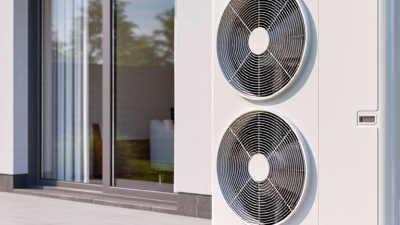
Mini-split heat pumps connect an outdoor unit to one or more indoor heads, with no central ductwork. They transfer heat instead of creating it, providing both heating and cooling. In a small apartment, a wall-mounted head can condition one room; multi-zone systems can serve several rooms independently. That flexibility suits renovations, additions, and homes where ducts are impractical. You can feel the airflow near the unit, so placement matters.
Efficiency depends on climate, sizing, and installation quality. The U.S. Department of Energy says ductless systems can save up to 30% on energy costs compared with electric resistance heating. The International Energy Agency reported that global heat pump sales grew 11% in 2022; that figure covers heat pumps broadly, not mini-splits alone.
Look for inverter-driven compressors, published seasonal efficiency ratings, and low-temperature performance data. Oversizing is easy to do, and it can cause uncomfortable cycling.
Tips: Ask for a room-by-room heat-loss calculation, not a guess based only on floor area. Keep filters clean, and check whether the outdoor unit has clear airflow after snowfall. Small details matter.
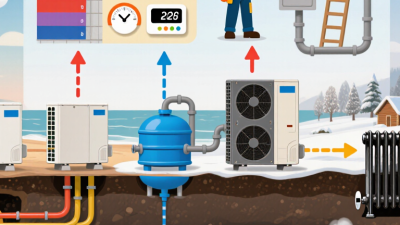
China’s mini split heat pump sector combines component production, system assembly, and export-focused engineering. Manufacturing clusters benefit from nearby suppliers of compressors, copper tubing, heat exchangers, electronics, and plastic housings. That proximity can shorten sourcing cycles.
It does not guarantee consistent quality.
Factories vary widely in product range and technical capability. Some focus on compact residential systems, while others build higher-capacity units for small commercial spaces. Engineers must balance heating performance, energy use, refrigerant choice, noise, and cold-weather operation. Test conditions matter. A unit’s published capacity may not reflect performance in a drafty home or during a long freeze.
Buyers evaluating manufacturers should look beyond catalog specifications. Ask how products are tested, which operating conditions are covered, and how quality checks are documented. Inspect sample units for tidy wiring, secure pipe connections, and accessible service points. These details are easy to overlook. They can affect installation time and long-term maintenance. Factory visits and third-party testing offer useful evidence, though neither replaces clear warranty terms and responsive technical support. The landscape is broad, and supplier capabilities can change; careful verification remains necessary.
When evaluating Chinese mini split heat pump manufacturers, look beyond catalog capacity and quoted price. Ask for model-specific performance data at several outdoor temperatures, not one ideal test point. A unit rated for mild weather may lose heating output near freezing. Request compressor and component specifications, operating limits, sound readings, and refrigerant details. Check whether test reports identify the exact model and test conditions. Paperwork matters.
Tips: Request a sample unit or inspect a running installation. Review factory quality-control records, incoming inspection procedures, and final test logs. Ask how warranty claims are handled, which parts are stocked, and typical response times. Speak with recent overseas buyers where possible. Small gaps show up later.
Assess engineering support as carefully as manufacturing capacity. Can the team explain piping limits, defrost behavior, control settings, and installation requirements clearly? Compare lead times, spare-parts availability, packaging, and change-control practices. A polished brochure is not proof. Remote checks have limits; an independent inspection may reveal details missed online. Even a careful review can overlook issues, so confirm key claims in writing and validate performance after installation.
Leading Mini Split Heat Pump Manufacturers in China
China’s mini split heat pump sector serves domestic projects and export markets. Strong manufacturers typically combine product engineering, production capacity, and dependable quality checks. Buyers should look beyond catalogue efficiency ratings. Ask how performance changes in cold weather, and request test conditions for published figures. Small details matter.
The International Energy Agency’s 2022 report, The Future of Heat Pumps, estimates that heat pumps could reduce global carbon dioxide emissions by at least 500 million tonnes by 2030 under announced climate pledges. This signals growing market relevance, but it does not verify any individual factory’s performance. Compare independently tested capacity, seasonal efficiency, sound levels, and warranty support. Request factory audit records and sample inspection results, too. A polished brochure is not proof. Supplier comparisons can still be imperfect when testing methods differ.
Tips: Check whether the stated heating capacity matches your local winter design temperature. Confirm spare-parts availability and technical support before ordering. Ask for a clear test report, not just a headline rating. Then compare like with like. I would also leave room for uncertainty: installation quality can change real-world performance substantially.
| Comparison Dimension | Commonly Available Offering | What Buyers Should Check |
|---|---|---|
| System type | Single-zone and multi-zone ductless inverter heat pump systems | Confirm whether the system supports the required number of indoor units and refrigerant piping layout. |
| Nominal capacity | Residential models commonly range from about 9,000 to 36,000 BTU/h; larger capacities may also be available. | Compare rated heating and cooling capacity, not just the model’s nominal size. Capacity varies with outdoor temperature. |
| Efficiency information | Products may publish seasonal efficiency ratings such as SEER2, HSPF2, or regional equivalents. | Check the applicable test standard and certified rating for the exact model and market; ratings are not directly interchangeable across standards. |
| Compressor and controls | Variable-speed inverter operation is commonly offered in ductless heat pump product lines. | Request operating-frequency range, part-load performance, control options, and performance data at low outdoor temperatures. |
| Low-ambient heating | Cold-climate models are available, with published operating limits that differ by product. | Verify the minimum operating temperature and heating capacity at specified outdoor temperatures, rather than relying only on a general “cold climate” description. |
| Refrigerant | Refrigerant choice depends on model generation, destination market, and applicable regulations. | Confirm refrigerant type, charge, safety requirements, and service compatibility for the installation location. |
| Indoor unit formats | Wall-mounted units are widely available; some product ranges also include console, ceiling, or slim-duct formats. | Check dimensions, sound levels, airflow, condensate drainage, and compatibility with the selected outdoor unit. |
| Multi-zone configuration | Outdoor units may support multiple indoor units, subject to model-specific combinations and capacity limits. | Obtain the manufacturer’s approved combination table and verify connected capacity, piping limits, and simultaneous operating performance. |
| Compliance and certification | Available approvals vary by destination market and product model. | Request current certificates and listings applicable to the exact model, such as safety, energy-efficiency, and refrigerant-compliance documentation. |
| Factory and quality documentation | Manufacturers may provide quality-system documentation, inspection records, and product test reports. | Check the issuing body, document scope, validity dates, traceability, and whether reports cover the quoted model. |
| Warranty and after-sales support | Warranty terms and technical support arrangements vary by supplier and sales region. | Confirm parts availability, local service coverage, warranty exclusions, claim process, and responsibility for freight or labor. |
Specifications and approvals vary by model, configuration, and destination market. Verify current product documentation and certifications before purchase.
China’s mini split heat pump manufacturers differ in more than price. Compare their product ranges by capacity, indoor-unit style, and system configuration. Some offer single-zone and multi-zone models, while others focus on a narrower selection. Check published heating performance at low outdoor temperatures, not only headline efficiency figures. A compact wall unit may suit a small bedroom, but larger spaces can require careful load calculations.
Certifications and export experience need separate checks. Ask for current test reports that match the exact model and destination market. A certificate for one product does not automatically cover an entire range. Quality-management credentials can indicate documented processes, but they do not replace product testing. Global reach also means more than shipping to many countries: ask about local-language manuals, spare-parts availability, and technical support. A polished catalog can still leave these details unclear.
Tips: Request sample manuals, warranty terms, and model-specific certificates before comparing quotations. Confirm who handles service after delivery. Small details matter. This comparison is not perfectly tidy; suppliers may present similar specifications in different ways, so review the original documents and note any unanswered questions.
A manufacturer-neutral comparison of refrigerants used in heat pumps. Lower global warming potential (GWP) indicates lower climate impact per kilogram released.
Values shown are 100-year GWP figures (CO₂ = 1), commonly reported using IPCC Fourth Assessment Report values. GWP alone does not determine a heat pump’s efficiency or overall environmental impact.